Wood Siding for Houses: Types, Styles, and How to Choose Outdoor Wood Siding
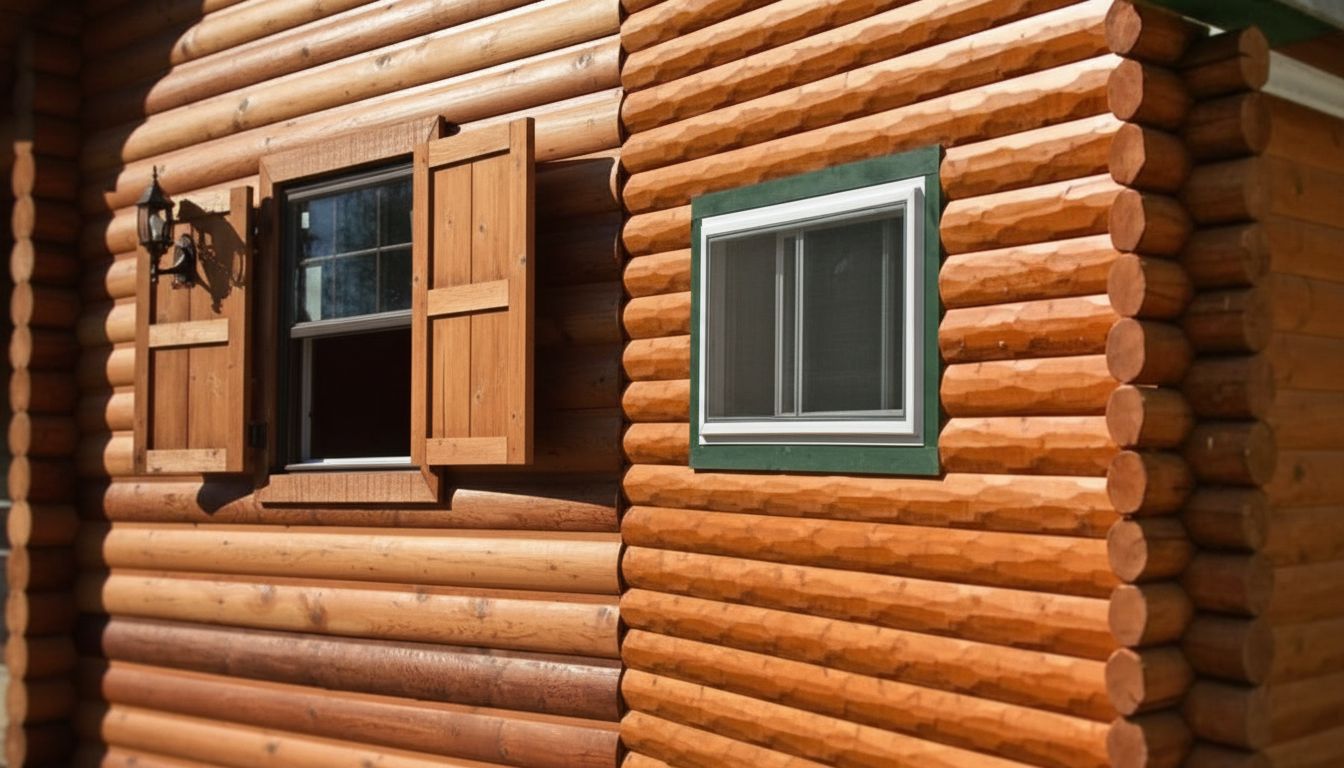
Wood siding for houses delivers warmth, character, and curb appeal that synthetic alternatives work hard to replicate but never fully match. If you want authentic material that improves with proper care, real wood siding house installations provide that result. The trade-off is maintenance. Wood siding requires regular painting or staining, and it needs careful attention to moisture management to prevent rot and insect damage. Understanding the types of siding wood available, how they perform over time, and what outdoor wood siding maintenance actually involves helps you decide whether real wood is right for your home and budget. This guide covers the main wood siding profiles, best species choices, and key installation principles.
Wood is a natural building material that responds to moisture and temperature changes throughout its life. Any wood siding installation needs a proper drainage plane behind it, correct flashing at penetrations, and a maintained paint or stain film to perform well long-term.
Types of Wood Siding for Houses
Horizontal Lap Siding
Horizontal lap siding, also called clapboard or bevel siding, is the most traditional wood siding house profile in American residential construction. Each board tapers from a thick butt edge at the bottom to a thin edge at the top, overlapping the board below. Standard widths run 4 to 8 inches exposed face. Wider boards show more wood grain and create a bolder visual statement. Narrower boards look more traditional and shed water more reliably because each lap carries less runoff per piece.
Cedar and redwood are the preferred species for horizontal lap siding wood because their natural oils resist rot and insects. Pine and fir work but require more thorough priming and faster recoat cycles to prevent water intrusion at the end grain. Always back-prime all four sides of wood siding boards before installation to stabilize moisture movement.
Board and Batten
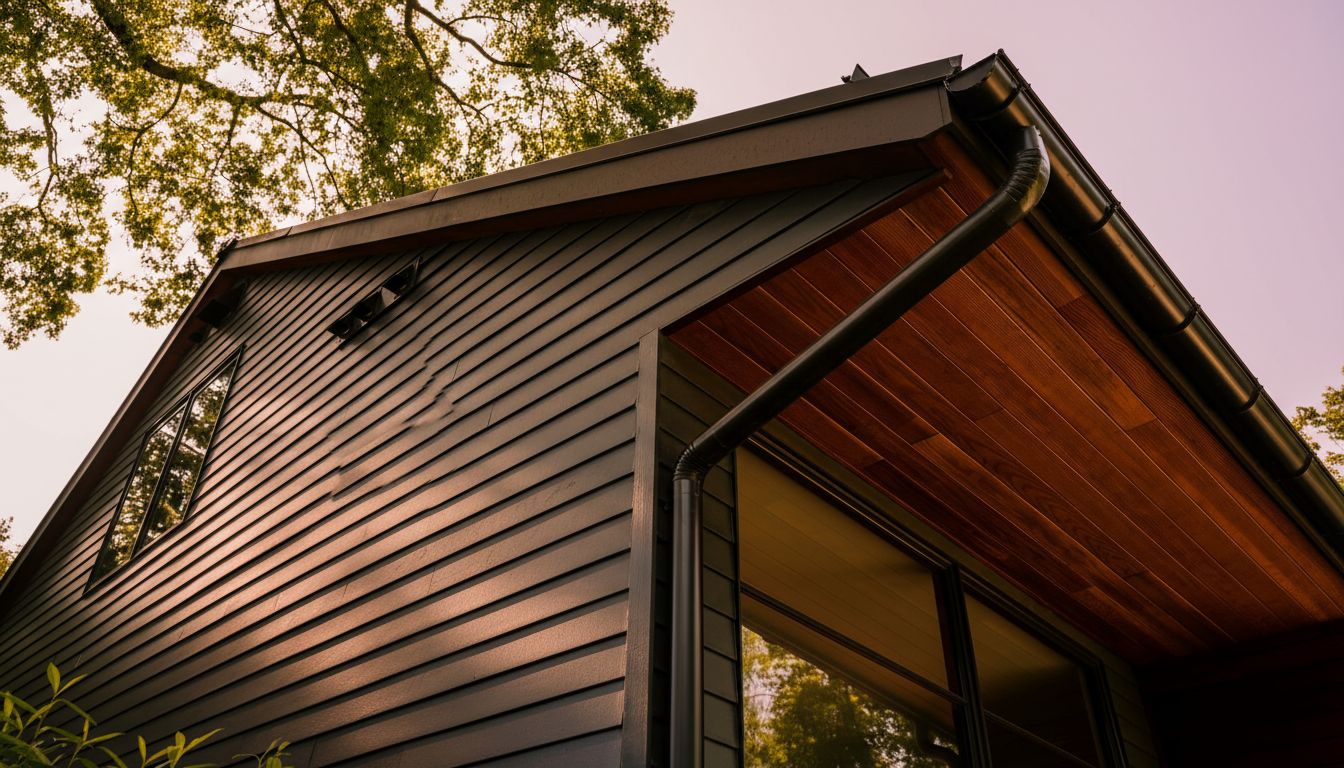
Board and batten wood siding uses wide vertical boards with narrow strips (battens) covering the joints. This outdoor wood siding profile has a strong vertical visual character that suits farmhouse, contemporary, and mountain architecture. The wide boards in board and batten siding wood installations are prone to cupping and splitting if not properly dried before installation. Use kiln-dried boards, allow adequate acclimation time on site, and paint or stain all surfaces including the backs before putting them up.
Shingles and Shakes
Wood shingles and shakes create a textured exterior appearance widely associated with craftsman and cottage styles. Shingles are sawn on both faces for a smooth, uniform look. Shakes are split on one or both faces for a rougher, more rustic texture. Western red cedar is the standard species for both. Properly installed wood shingle siding on a correctly detailed wall assembly lasts 20 to 30 years before needing replacement.
Choosing the Right Wood Species
Species selection matters more for siding than for any other wood application because the material is fully exposed to weather. Cedar, redwood, and cypress are the most naturally durable species for outdoor wood siding. Their extractives resist fungal decay and resist insects. Douglas fir and pine are workable choices but require more vigilant maintenance and faster recoating. Pressure-treated lumber is occasionally used for siding in very high-moisture environments but requires special paint and is heavier than untreated wood.
For siding wood, look for vertical grain (edge grain) cut boards rather than flat grain. Vertical grain boards cup less, hold paint better, and show fewer checks over time. They cost more per linear foot but are worth the premium for primary living space facades.
Maintaining Wood Siding Properly
Wood siding for houses requires a paint or stain system maintained on a regular schedule. Oil-based primers and 100 percent acrylic topcoats perform best on exterior wood siding. Inspect the paint film annually and spot-prime any areas where the film has cracked, peeled, or worn through before moisture reaches bare wood. Clean the siding with a soft brush and mild cleaner every one to two years to remove biological growth that holds moisture against the surface.
Check caulking at window frames, door frames, penetrations, and trim joints every two to three years. Failed caulk is a primary water entry point in wood siding house installations. Use a paintable siliconized acrylic caulk that bonds to both wood and the adjoining material.
Key Takeaways
Wood siding is a durable, attractive choice when properly installed and maintained. Cedar and redwood outperform other species for longevity with less maintenance. Horizontal lap, board and batten, and shingle profiles each suit different architectural styles. Maintain the paint or stain film, caulk joints regularly, and back-prime all cut surfaces to get the most from your outdoor wood siding investment.