Grout Cleaning Machine Guide: Types, Uses, and What to Buy
A grout cleaning machine removes embedded dirt, mold, and discoloration from tile joints more thoroughly than scrub brushes and chemical cleaners alone. Whether you are a homeowner dealing with a bathroom floor or a contractor servicing commercial kitchens, understanding the different grout cleaner machine options available saves both time and effort. A tile grout cleaner machine that uses steam or rotary brushes reaches deep into porous grout where manual scrubbing cannot. Grout cleaning machines range from compact handheld steam units to truck-mounted grout cleaning machines used by professional restoration companies. Tile and grout cleaning machines of all sizes share the same goal: breaking up contamination so it can be extracted or wiped away.
This guide covers the main machine types, how to match a unit to your project scope, and what features separate quality machines from those that frustrate more than they help.
Types of grout cleaning machines
Steam cleaners
Steam grout cleaner machine units heat water above 200°F and direct pressurized vapor into grout lines through a narrow attachment. The heat breaks down grease, mold, and mineral deposits without harsh chemicals. A handheld steam unit suitable for residential bathroom and kitchen use costs $40 to $150. Commercial-grade tile grout cleaner machine options with larger boilers and higher sustained pressure cost $200 to $600. Steam is the most chemical-free method available and the correct choice when the homeowner or client prefers to avoid bleach or acid-based cleaners.
Rotary brush machines
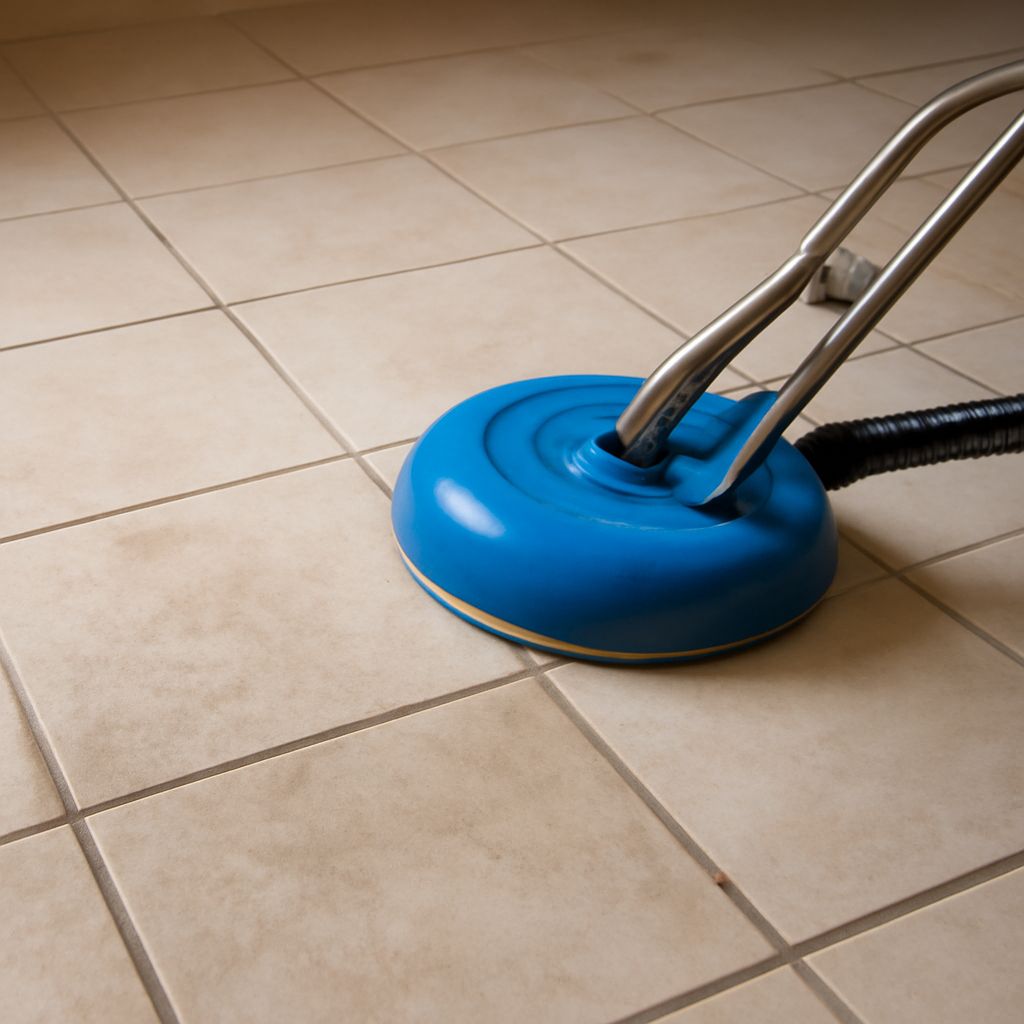
Rotary brush grout cleaning machines use an oscillating or rotating brush head that fits directly into grout lines. Some models attach to standard drills; others are dedicated grout cleaning machine units with their own motor. The mechanical agitation loosens hardened dirt that steam alone cannot dislodge. Rotary brush grout cleaning machines work best on cement-based grout. Epoxy grout does not respond as well to mechanical agitation because it is denser and less porous.
Truck-mounted extraction systems
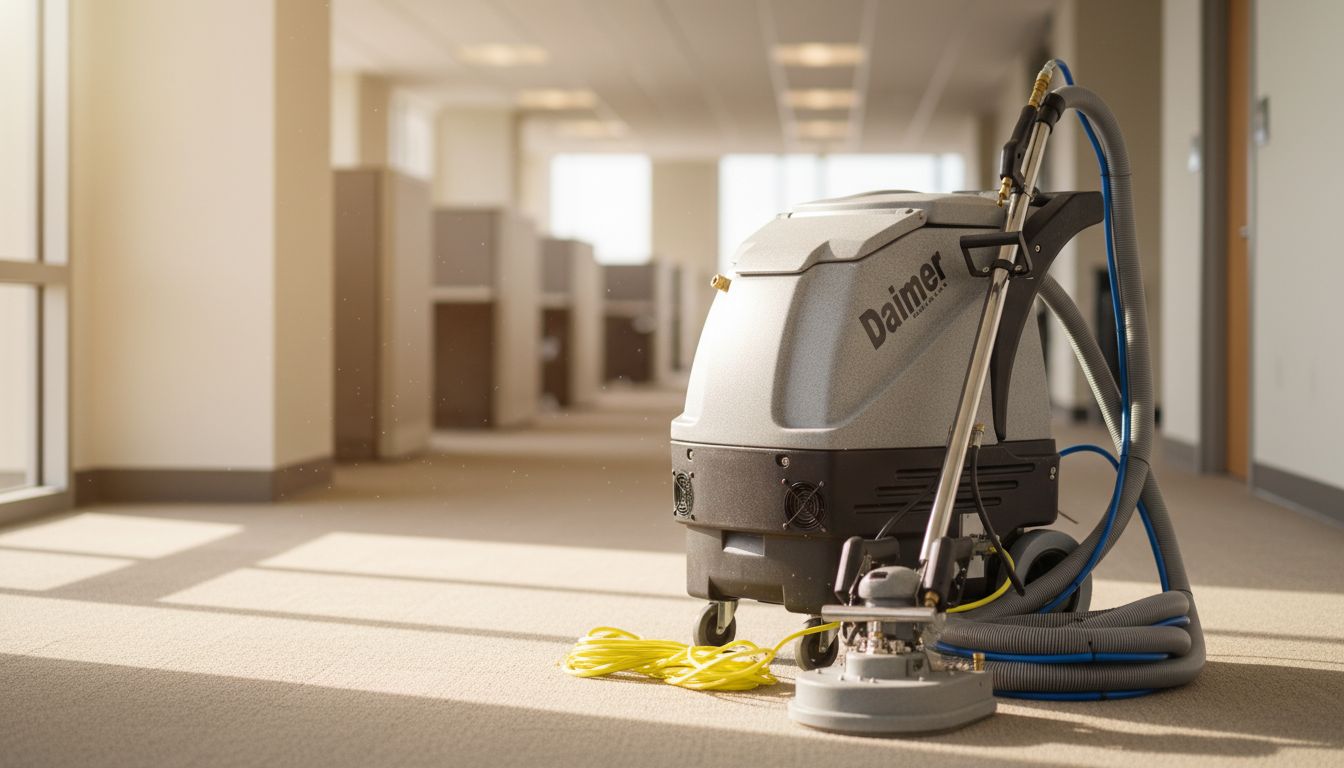
Professional tile and grout cleaning machines mounted in service vehicles combine high-temperature hot water injection with powerful vacuum extraction. The injection head forces a cleaning solution into the grout lines at high pressure; the extraction head simultaneously vacuums the loosened soil and excess water. These grout cleaning machines deliver the deepest clean available without labor-intensive hand scrubbing, which is why professional restoration companies charge a premium for the service. For large commercial tile areas, truck-mounted systems are the most cost-effective option on a per-square-foot basis.
Choosing the right machine for your project
Residential applications
For bathroom and kitchen tile floors under 200 square feet, a handheld steam unit or a drill-mounted rotary brush attachment handles most residential grout cleaning needs. The investment is low, and both tools store easily. If your grout has heavy mold staining or has been neglected for years, a two-step approach works well: use a pH-neutral grout cleaner to pre-treat the joints, then follow with the tile grout cleaner machine to extract the loosened contamination.
Commercial and large-scale applications
Restaurant kitchens, retail stores, and large institutional bathrooms accumulate grease and heavy soil loads that handheld grout cleaning machines cannot address at scale. In these settings, hiring a professional with truck-mounted tile and grout cleaning machines delivers better results than attempting to clean large areas with consumer equipment. Factor the per-square-foot cost of professional service against the time and rental cost of intermediate-grade grout cleaner machine options before deciding.
Next steps
Test any grout cleaner machine on an inconspicuous tile area first. Aggressive brush attachments can scratch softer stone tiles and glazed ceramic at high pressure settings. After machine cleaning, apply a penetrating grout sealer within 48 hours to protect the cleaned surface from resoiling. Sealed grout resists oil and water penetration, which dramatically reduces the frequency of deep cleaning needed going forward.