Grout Cleaner Tool Guide: Manual, Power, and Commercial Options
A grout cleaner tool removes the embedded soil, mold, and mineral deposits that form in porous grout lines over time. Standard mops and sponges clean the tile surface but cannot reach deep into the joint where contamination accumulates. A commercial grout cleaner uses stronger chemistry, higher temperature, or mechanical agitation to break up soils that resist household cleaners. A grout cleaning tool with rotating brushes provides mechanical action that reaches deeper into the joint than flat-face applicators. Understanding the full range of grout cleaning tools helps you choose the right combination of chemistry and mechanical action for your specific tile type and contamination level. A grout cleaning power tool dramatically reduces the labor involved in restoring heavily soiled tile floors.
This guide covers the main categories, their appropriate applications, and what to look for when buying or selecting a product.
Manual grout cleaner tools
Stiff brush and hand tool options
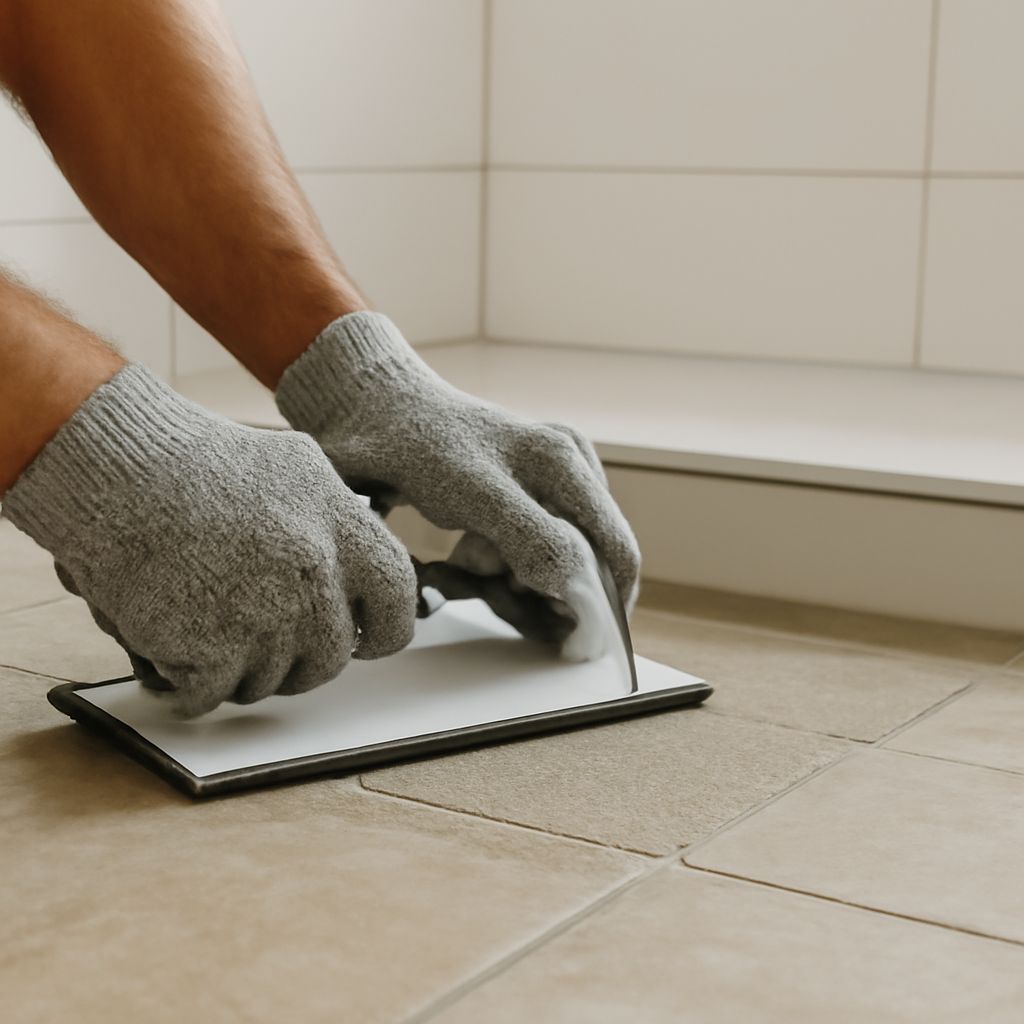
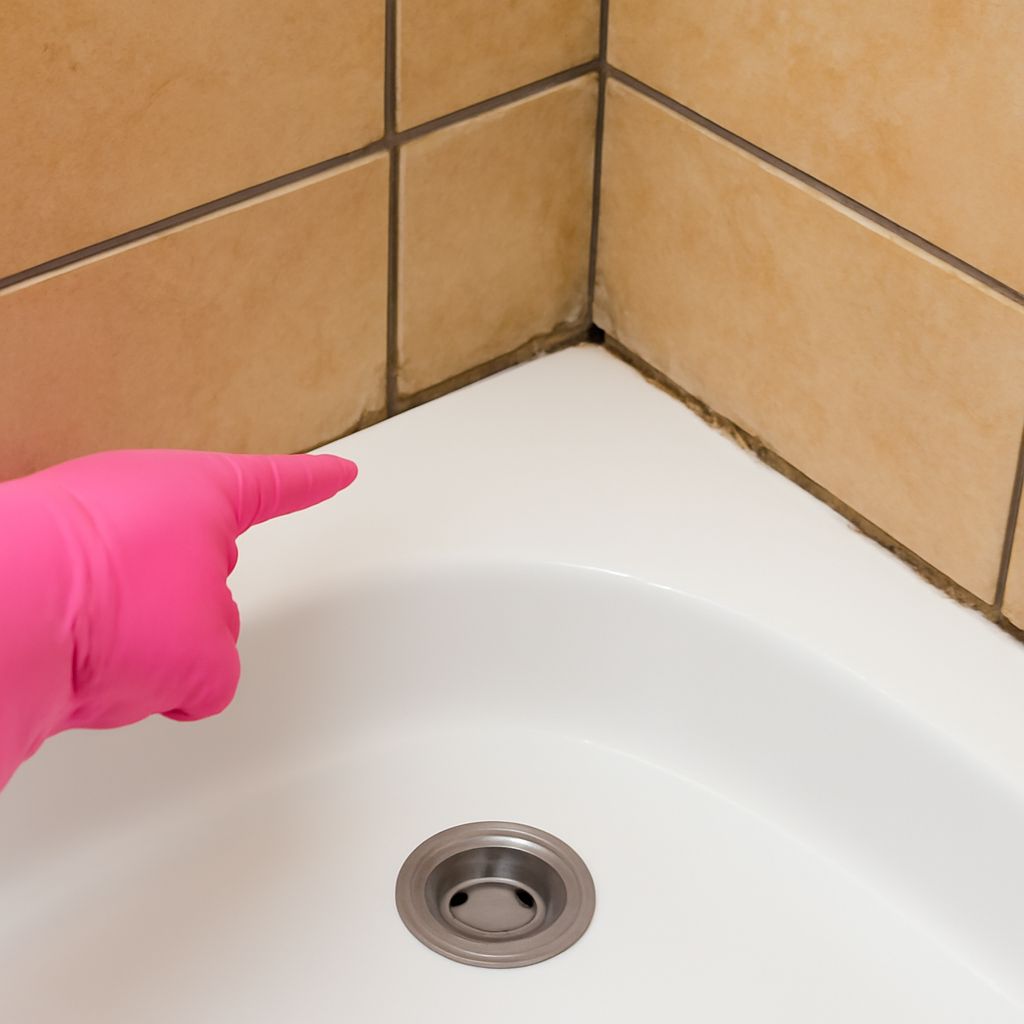
Stiff-bristle grout cleaning tools are the starting point for most residential cleaning jobs. A grout brush with V-shaped or tapered bristles fits directly into the joint and provides targeted scrubbing action. These manual grout cleaner tools cost $5 to $20 and work well for maintenance cleaning on recently installed or lightly soiled grout. Pair them with a pH-neutral grout cleaner solution for regular maintenance or with a diluted alkaline cleaner for heavier soil loads. For grout lines heavily discolored by mold or mildew, a mild bleach solution applied before scrubbing dramatically reduces the effort required from the manual grout cleaning tool.
Applicator bottles and syringe tools
Chemical applicator grout cleaning tools direct the cleaning solution precisely into the joint without saturating the surrounding tile. These plastic applicator bottles or syringe-style dispensers reduce chemical waste and keep aggressive cleaners away from sensitive stone tile surfaces that can be damaged by acid or bleach. When using a commercial grout cleaner with a low pH for calcium deposits, precise application protects polished marble and travertine from etching.
Power grout cleaning tools
Drill attachments and oscillating tools
A grout cleaning power tool that attaches to a standard variable-speed drill provides mechanical scrubbing without hand fatigue on larger floor areas. These bits feature stiff nylon or wire bristles arranged in a narrow profile that fits into standard grout joints. Oscillating multitool grout cleaning tools are available with narrow blade attachments that agitate soils in the joint through rapid back-and-forth motion. Both types reduce the time needed to clean a bathroom floor from 30 minutes of hand scrubbing to 10 minutes of powered agitation.
Dedicated grout scrubbing machines
A dedicated grout cleaning power tool machine with its own motor, adjustable brush width, and extended handle eliminates kneeling entirely. These machines cost $80 to $250 and handle floors up to several hundred square feet per hour with far less physical strain than hand tools. They represent the best value for property managers, contractors, or homeowners with large tile areas.
Commercial grout cleaner products and their tools
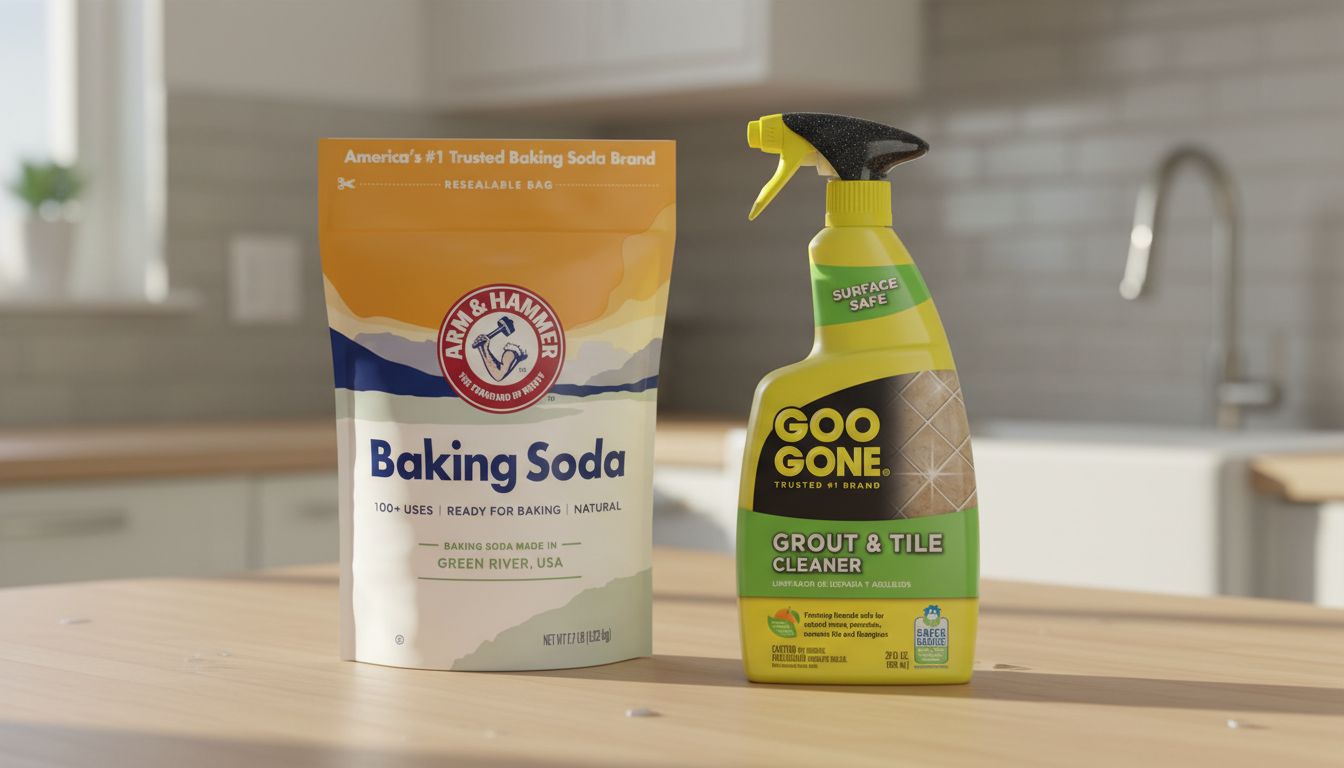
Commercial grout cleaner concentrates work best with mechanical agitation rather than soak-and-wipe application. The chemical dissolves the organic binders holding soil in place, but the mechanical action from a grout cleaning tool physically dislodges the loosened contamination from the pore structure. Apply the commercial product according to the label dwell time, then use your chosen grout cleaning tools to scrub before rinsing. Rinse with clean water and extract with a wet vac or microfiber mop to remove the dissolved soil rather than spreading it back across the tile.
Pro tips recap
Test any commercial grout cleaner on an inconspicuous tile area before treating the full floor. Acid-based cleaners etch natural stone and damage unsupported grout, so verify tile compatibility before using them. After deep cleaning, seal the grout within 48 hours. Sealing reduces the frequency at which you need grout cleaning tools for intensive cleaning by protecting the pore structure from resoiling.