Double Bubble Insulation: How It Works and Where to Use It
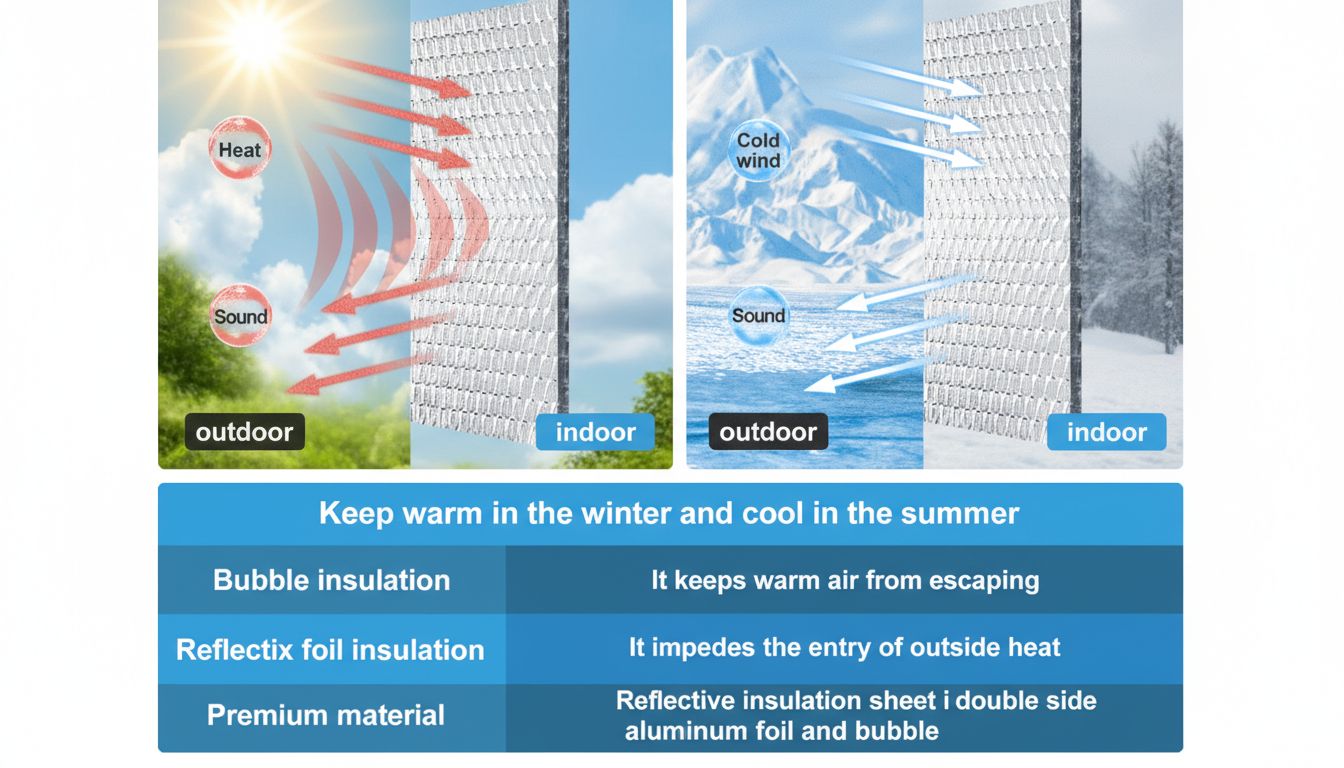
Double bubble insulation is a reflective product built from two layers of air-filled polyethylene bubbles sandwiched between reflective foil faces. Where standard insulation works by slowing conductive heat transfer, bubble wrap insulation works by reflecting radiant heat away from living spaces. Foil bubble insulation has found a strong niche in garages, metal buildings, and crawl spaces where radiant heat gain is the primary problem. Double bubble foil insulation is not a substitute for standard batt or rigid insulation in most applications, but used in the right location, foil bubble wrap insulation outperforms thicker products at a fraction of the cost and weight.
What Is Double Bubble Insulation
Layers and Construction
A typical roll of double-layer bubble foil insulation has two sheets of 3/16-inch or 5/16-inch polyethylene bubble material with reflective metalized film laminated to one or both outer faces. The two bubble layers give the product its name. Some single-bubble products are marketed similarly, but the double-layer construction adds more dead air space and slightly better thermal performance. The foil faces — usually metalized polyester or aluminum foil — handle the reflective function, bouncing radiant energy rather than absorbing it.
R-Value Explained
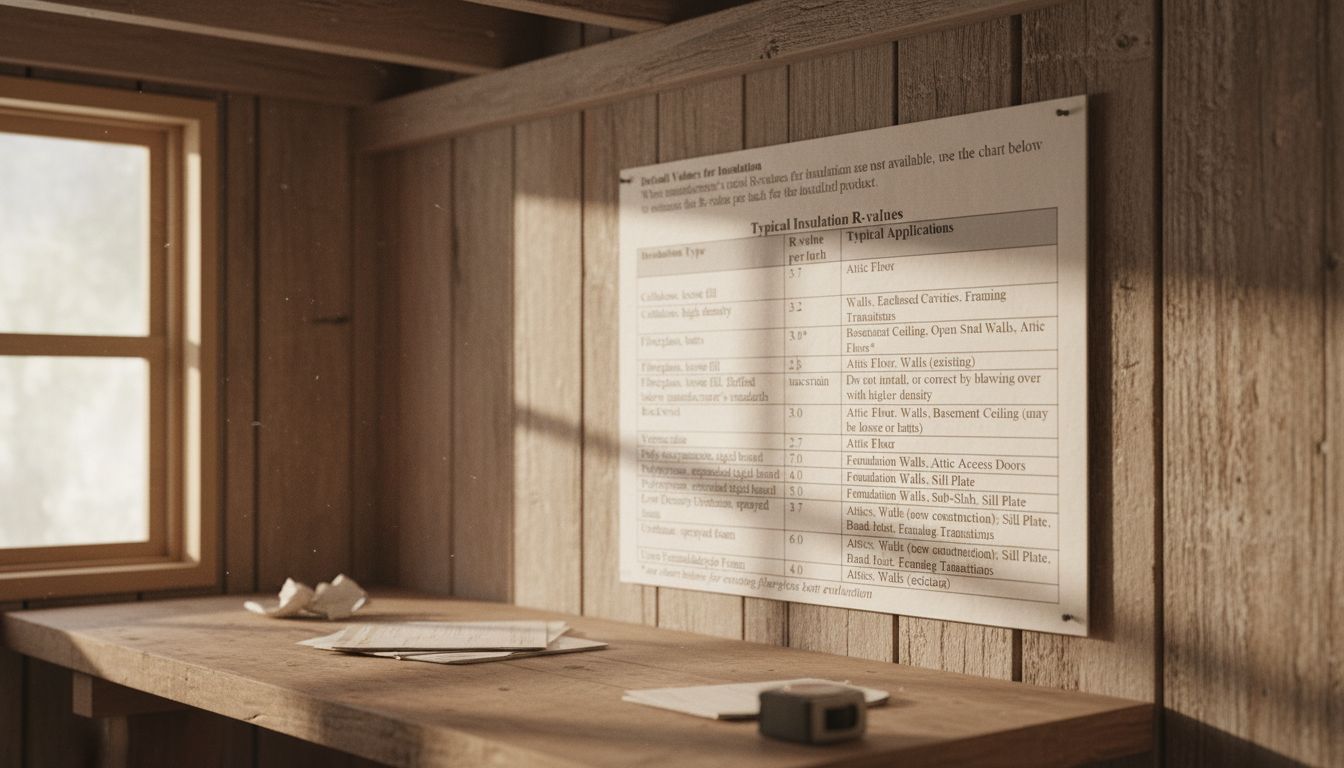
This is where bubble foil insulation gets complicated. The product itself has a low intrinsic R-value — typically R-1 to R-2 when measured by standard methods. However, when installed with an air gap on one or both sides (as most manufacturers specify), the system R-value increases to R-8 to R-14 in some configurations. The reflective barrier plus the air gap creates the thermal resistance, not the bubble material alone.
Building codes in most states count reflective insulation systems toward total wall or roof assembly R-values only when the installation follows specific air gap requirements. If you’re using reflective bubble insulation to meet a code minimum, verify the system R-value with your inspector before installation.
Where Foil Bubble Insulation Works Best
Garages and Metal Buildings
Metal garage doors and metal building panels absorb solar radiation and radiate heat into the space. Foil bubble wrap insulation applied to the interior face of a metal garage door — or laminated to the inside of metal building panels — cuts that radiant heat transfer dramatically. Metal building kit manufacturers often offer double-layer bubble insulation as a standard interior liner option for this reason. In a garage that gets direct afternoon sun, the temperature difference between a bare metal wall and one lined with reflective insulation can exceed 30 degrees Fahrenheit.
Crawl Spaces and Basements
In crawl spaces, stapling foil bubble insulation to the joists above creates a radiant barrier between the cold ground and the floor above. For basement rim joists — the most heat-lossy area in many basements — cutting foil bubble pieces to fit between joists and sealing the edges with foam provides quick, lightweight air sealing and some insulation value. Installing double bubble insulation in a crawl space is significantly easier than cutting rigid foam to fit irregular joist bays, making it a popular DIY choice.
Installing Double Bubble Foil Insulation
Most manufacturers print installation guidelines directly on the roll. Key points: maintain a minimum 3/4-inch air gap between the foil face and any adjacent surface to achieve the rated thermal performance. Tape all seams with foil tape — standard duct tape degrades over time and allows gaps that undermine the reflective barrier. Use staples, cap nails, or the manufacturer’s recommended fastener for the substrate you’re attaching to.
Cut reflective bubble insulation with standard scissors or a utility knife. No special tools needed. Wear gloves when handling large rolls on hot days — the foil surface gets hot in sunlight and the edges are sharp.
Bottom line: Double bubble insulation does its best work in radiant-dominated heat transfer situations. Match it to the problem — metal buildings, garage doors, and crawl spaces — and it delivers strong value. Don’t try to substitute it for full-depth batt insulation in climate-controlled living spaces where you need real R-value mass.