Do GFCI Outlets Go Bad? Types, Wiring, and Installation Guide
Do GFCI outlets go bad? Yes — and when they do, the protection they provide disappears silently. NEMA outlets come in many configurations, but GFCI receptacles are the specific class required in kitchens, bathrooms, garages, and outdoor locations. Installing GFCI outlets correctly means wiring them with the load side protecting downstream receptacles, not just the single outlet itself. Understanding the types of GFCI outlets available helps you choose the right device for each location. Wiring GFCI outlets follows a specific sequence — LINE for the incoming circuit power, LOAD for any additional outlets you want the GFCI to protect downstream.
Do GFCI Outlets Go Bad Over Time
How GFCI Devices Fail
GFCI outlets contain a sensitive electronic circuit that monitors the current imbalance between hot and neutral conductors. Most devices are rated to operate for 10,000 trips before the trip mechanism degrades. In practice, outlets in high-use locations — laundry rooms, outdoor circuits — may reach end of life within 10 to 15 years. Nuisance tripping, failure to reset, or a test button that trips but allows the outlet to stay live after reset are all signs that the GFCI device has failed.
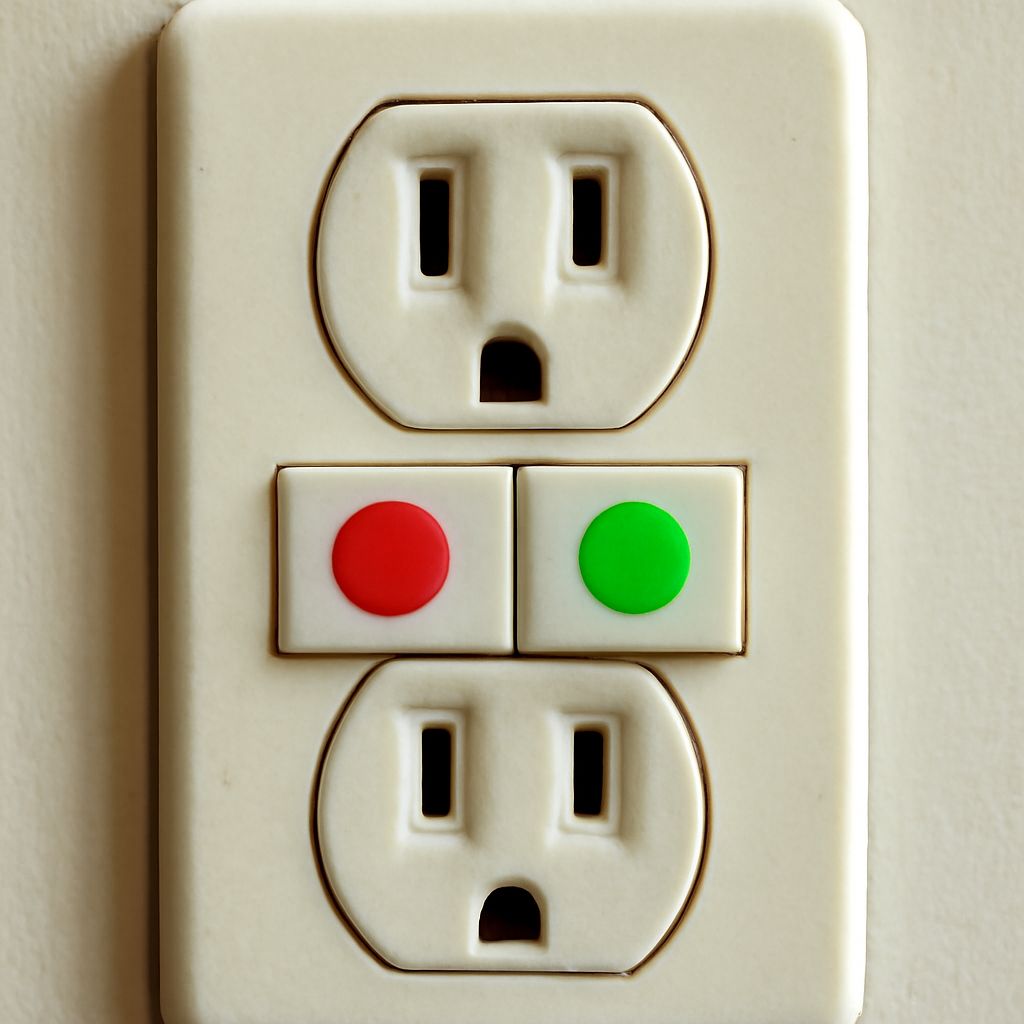
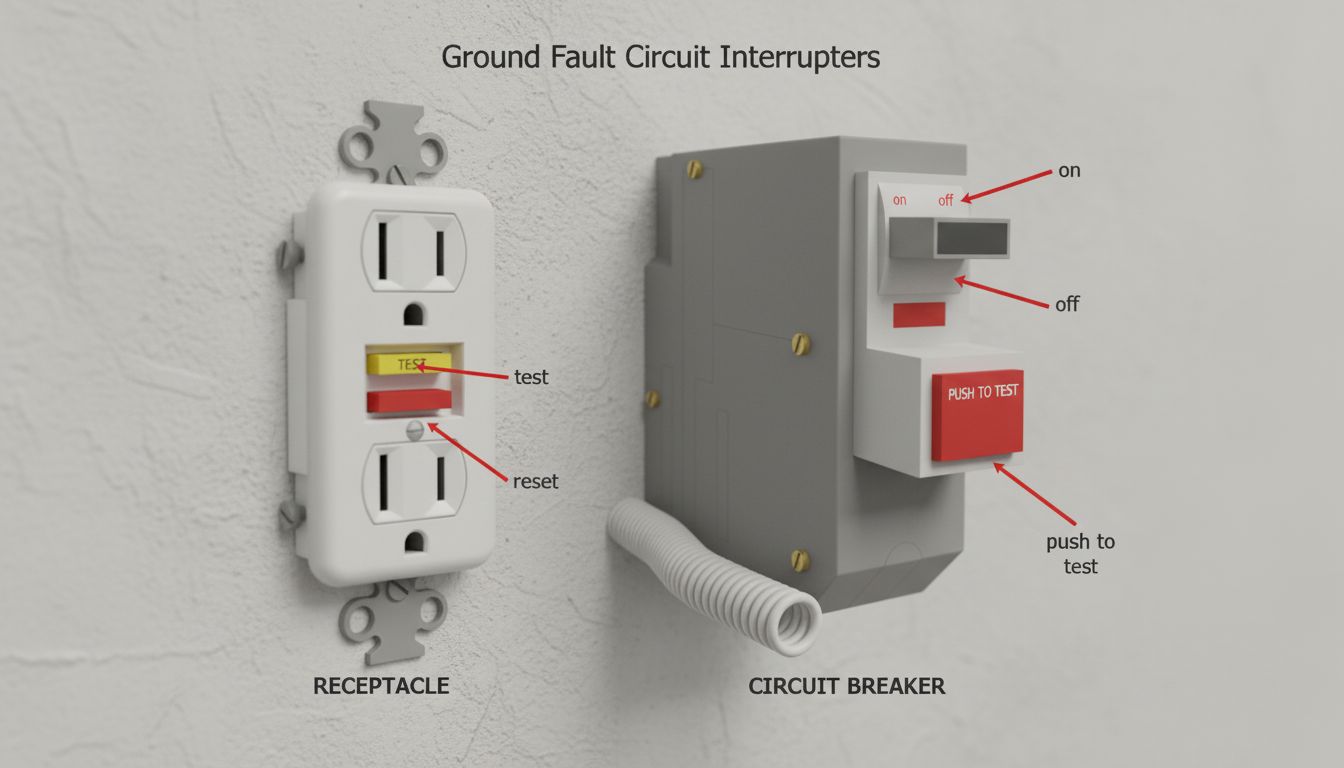
The NEC and manufacturer guidelines recommend monthly testing. Press the TEST button — the outlet should lose power. Press RESET — power should return. If the outlet fails either test, replace it. A GFCI outlet that’s failed in the open position (won’t reset) has done its job correctly — it sensed a fault. A GFCI outlet that’s failed in the closed position (test button doesn’t cut power) is now an unprotected outlet masquerading as a protected one.
Causes of Premature GFCI Failure
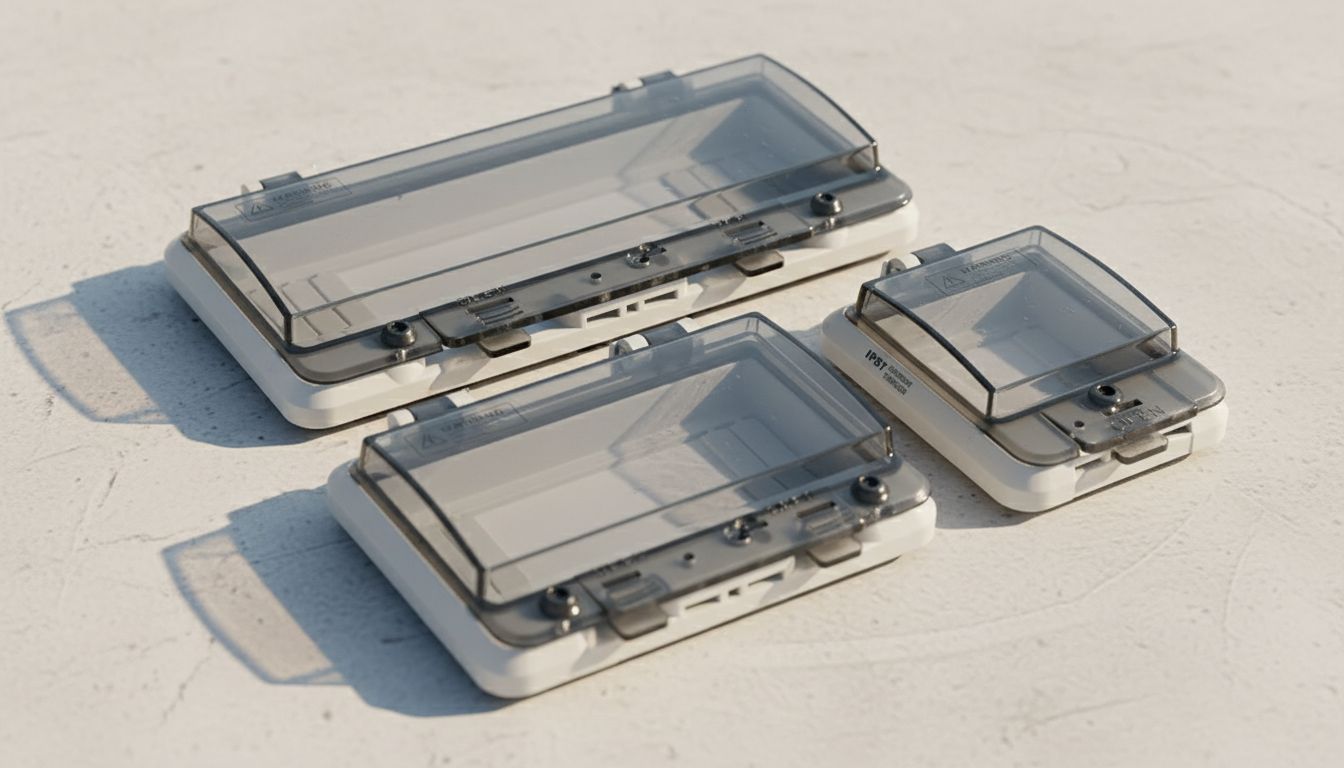
Moisture intrusion is the most common cause of premature GFCI device failure in outdoor and bathroom locations. Foam weatherproof covers reduce but don’t eliminate moisture ingress. In-use covers (the large bubble covers you see on outdoor outlets) give better protection for outlets with cords plugged in. Repeated nuisance trips from inductive loads, fluorescent lighting, or long circuit runs can also stress the GFCI electronics over time.
NEMA Outlet Types and GFCI Availability
NEMA outlets follow a standardized coding system for voltage, amperage, and pin configuration. NEMA 5-15R is the standard 15-amp, 125-volt residential outlet. NEMA 5-20R has a T-shaped neutral slot for 20-amp circuits. GFCI versions of both configurations are available — 15-amp and 20-amp GFCI outlets are both standard products. For kitchens with dedicated 20-amp counter circuits, specify NEMA 5-20 GFCI outlets to maintain the correct circuit rating.
Types of GFCI Outlets and Which to Use
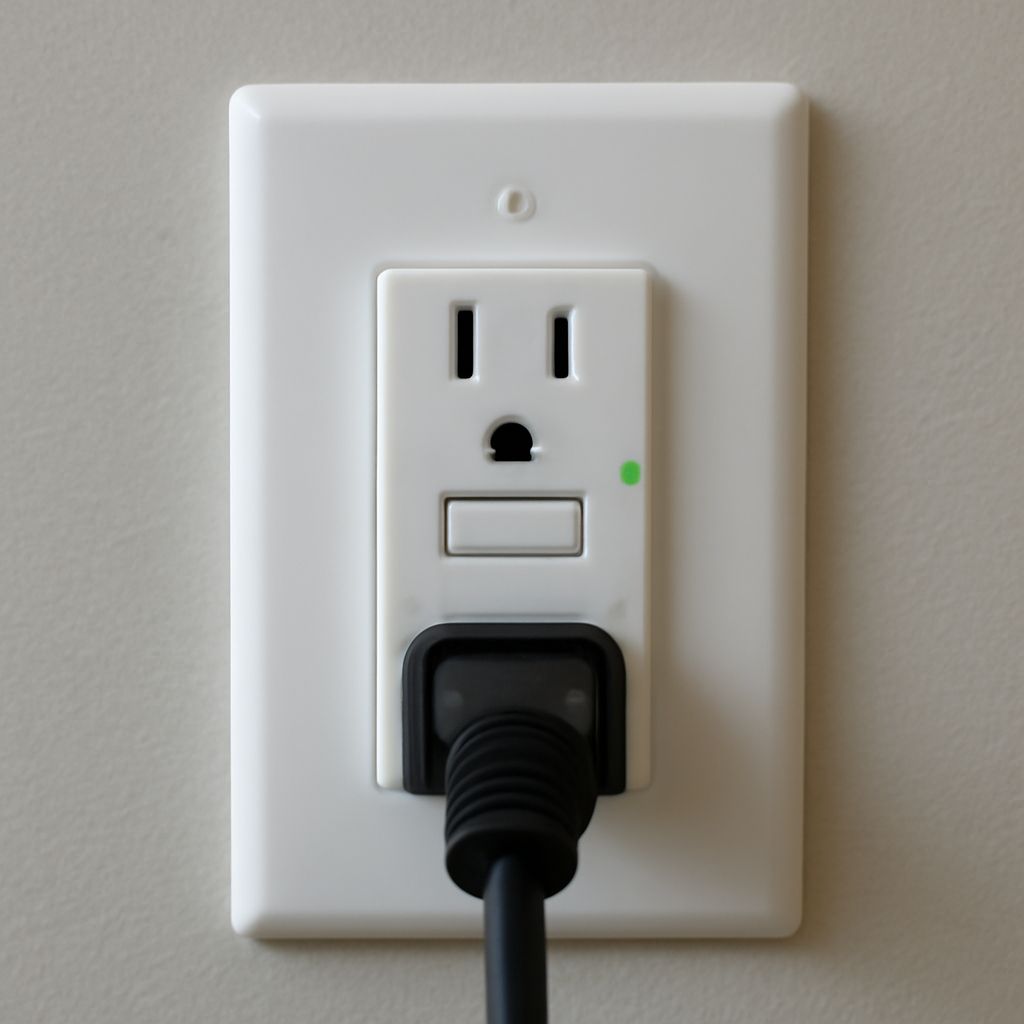
Standard GFCI receptacles protect both the outlet and any downstream outlets connected to the LOAD terminals. Slim-profile GFCI outlets fit into shallower wall boxes where standard devices don’t fit. Tamper-resistant GFCI receptacles include shutters inside the slots that only open when both prongs are inserted simultaneously — these are code-required in new residential construction. Self-test GFCI outlets run an automatic internal test regularly and indicate failure via a LED status light, eliminating the need for monthly manual testing.
Wiring GFCI Outlets Correctly
Wiring GFCI receptacles incorrectly is a common mistake that leaves the outlet technically functional but unprotected. The LINE terminals connect to the circuit wires coming from the panel — the hot is typically black, the neutral is white. The LOAD terminals connect to any additional outlets downstream that you want the GFCI to protect. Both LINE and LOAD connections provide power, but only the LINE side enables GFCI protection for that specific outlet.
If you’re installing a single GFCI with no downstream protection needed, leave the LOAD terminals unconnected with the factory tape in place. Connecting no wires to LOAD and using only LINE gives you maximum reliability — the device protects only itself with no dependency on downstream connections.
Pro tips recap: Replace GFCI outlets every 10 to 15 years regardless of apparent function. A device that passes the monthly test still degrades internally over time, and the cost of replacement is trivial compared to the cost of a fault it fails to catch. Use tamper-resistant GFCI receptacles in all new installations — they’re code-required and only pennies more than standard devices.