Drywall Texture Types: A Complete Guide to Styles and Techniques
Drywall texture types are how finished walls move beyond flat painted surfaces to create depth, hide imperfections, and match the architectural character of a space. Drywall textures fall into two categories: spray-applied and hand-applied. Types of drywall texture range from the subtle orange peel finish common in modern construction to the dramatic Santa Fe or skip trowel styles popular in southwestern and Mediterranean homes. Different drywall textures suit different purposes — coarser textures hide tape joints in expedited commercial construction, while fine textures like smooth or level 5 finish go in high-end residential work where perfect walls are expected. Drywall texture styles also cycle in and out of favor architecturally, with smooth walls returning to popularity in contemporary new construction.
Spray-Applied Drywall Textures
Orange Peel
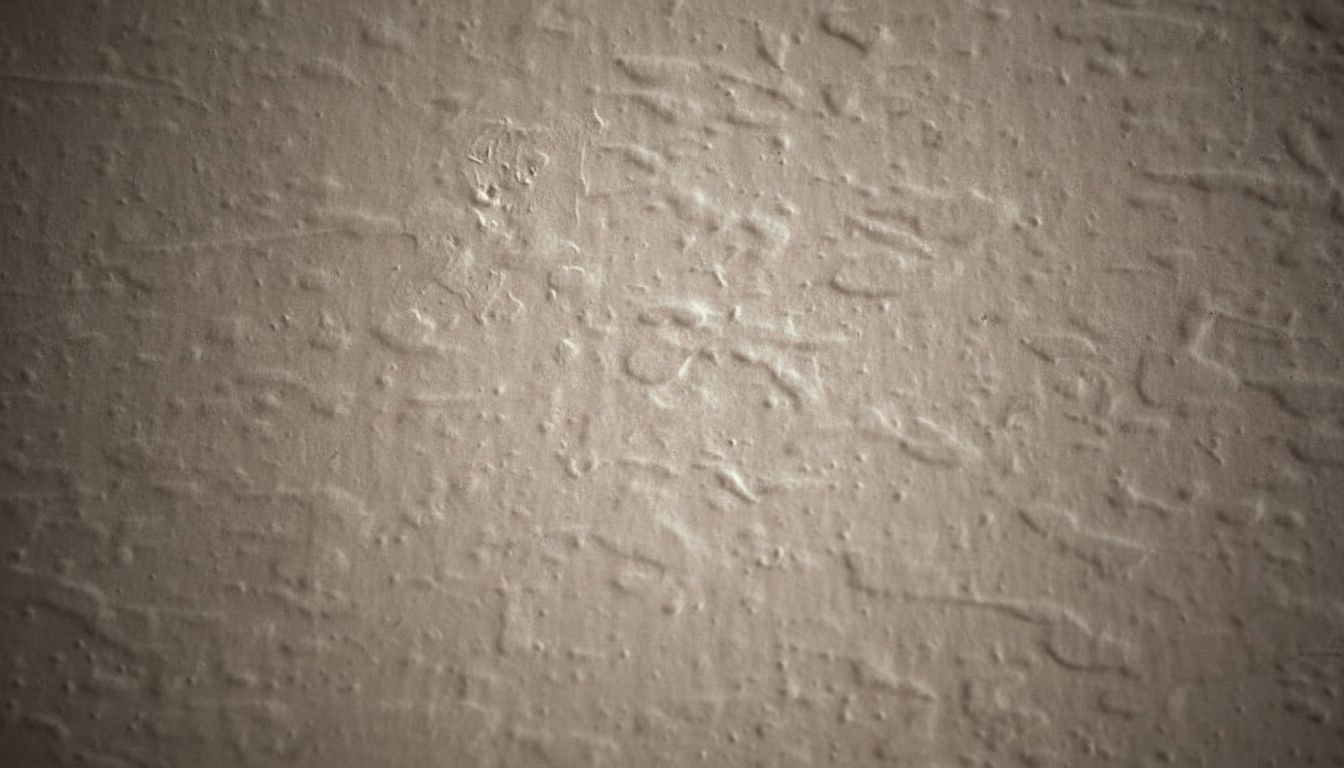
Orange peel texture is the most common finish in new residential construction nationwide. It’s applied with a hopper gun that sprays small beads of thinned joint compound onto the wall surface, creating a stippled appearance that resembles — as the name suggests — the skin of an orange. The aggregate size ranges from fine to coarse depending on how much the compound is thinned and the spray tip size used. Orange peel covers minor joint and fastener imperfections well and paints evenly.
Knockdown Texture
Knockdown is a two-step process: first, a similar hopper spray creates splatter blobs on the wall. Before those blobs fully dry, a drywall knife is dragged lightly across the surface to flatten the high points and create the irregular, flattened pattern that gives the texture its name. Knockdown texture has more visual variation than orange peel and creates more shadow at raking light angles. It’s popular in older and Mediterranean-style homes.
Popcorn Ceiling Texture
Popcorn ceiling texture — also called acoustic texture — uses a heavier spray compound mixed with polystyrene or other aggregate to create a bumpy surface that was commonly applied to ceilings from the 1960s through the 1980s. This drywall texture style went from standard to obsolete as architectural tastes shifted. Removing popcorn texture is a DIY project in most homes (wet scraping after wetting the surface) but requires professional abatement in homes built before 1978 where the material may contain asbestos.
Hand-Applied Drywall Texture Styles
Skip Trowel
Skip trowel is a hand-applied texture where joint compound is applied to the wall in irregular patches using a curved drywall trowel. The trowel leaves behind rounded, skim-like deposits with smooth curved edges — the texture is more artistic and variable than spray finishes. Skip trowel requires a skilled applicator because the final appearance depends on the motion, pressure, and compound consistency used. It’s commonly associated with stucco-style Southwestern and Mediterranean architecture.
Smooth and Level 5 Finish
A smooth wall is technically the absence of texture — a perfectly finished drywall surface with no compound variation. Achieving a smooth wall requires a level 5 finish: all joints and fastener spots are coated, sanded, and then skim-coated with a thin layer of joint compound across the entire wall surface before painting. This is the most labor-intensive drywall finish type and the most unforgiving — any imperfection in the skim coat shows clearly under raking light. Level 5 is specified for high-gloss paint applications and high-end contemporary interiors.
Matching and Repairing Existing Textures
Matching an existing wall texture for a patch repair is one of the more frustrating parts of DIY drywall work. Orange peel can be reasonably matched with a spray can orange peel product for small patches. Knockdown requires hand technique practice on cardboard before attempting on the wall. For large repairs where matching is difficult, blending the texture gradually from the patch outward into the surrounding area hides the transition better than a sharp-edged patch.
Next steps: If you’re choosing a texture for new construction or a full-room drywall redo, request actual texture samples from your contractor on small boards so you can evaluate them in your specific room’s light conditions before committing. What looks subtle in a showroom can read very heavy in a room with low-angle afternoon sun.