Roofing Tools and 29 Gauge Metal Roofing: Equipment Guide
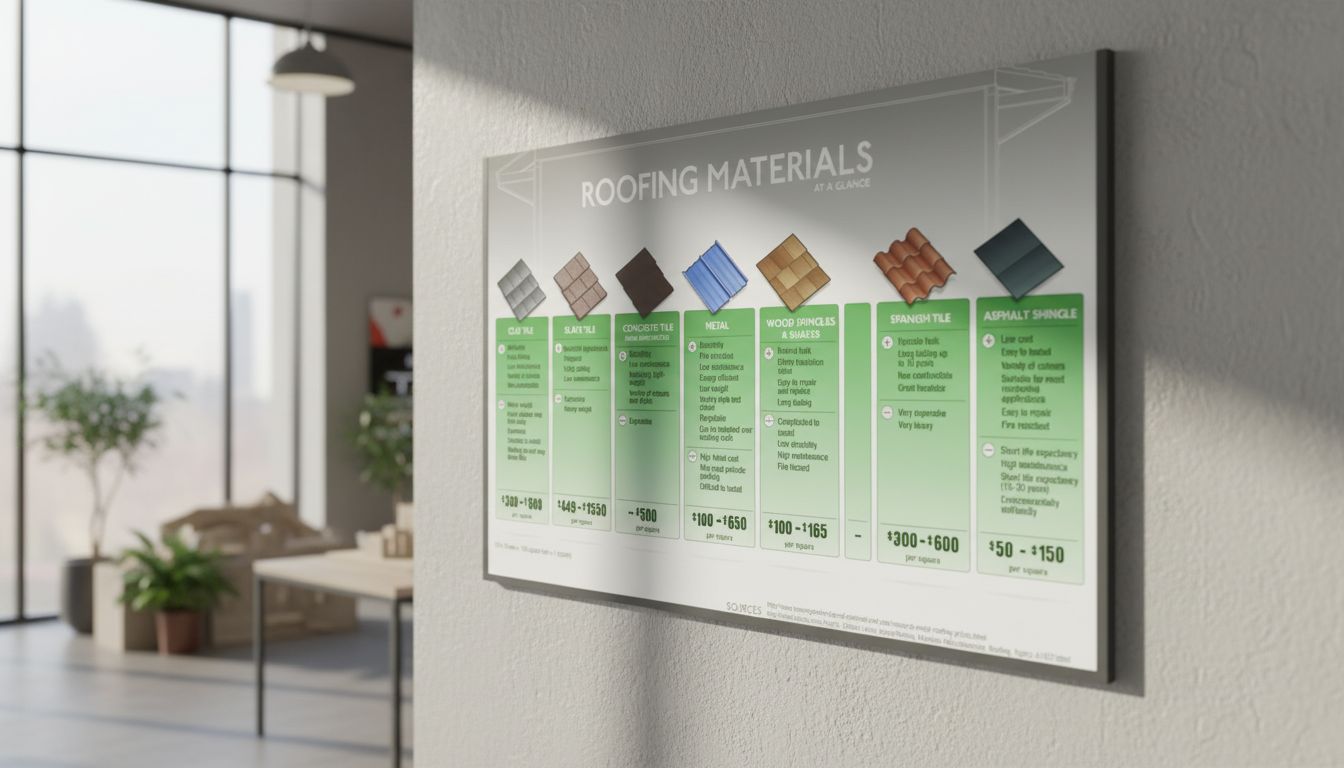
Roofing tools determine how efficiently and safely a roof installation goes — and the right set differs between shingle and metal roofing applications. For 29 gauge metal roofing specifically, the cutting and fastening tools differ from what you’d use on asphalt shingles. Metal roofing tools include tin snips, nibblers, circular saws with metal-cutting blades, and screw guns with depth-stop attachments. Roofing tools and equipment for any roofing application also include safety gear that’s non-negotiable on pitched surfaces. 29 gauge metal roofing prices have made lighter-gauge panels a common choice for agricultural and residential applications where the moderate thickness is appropriate for the expected load and use.
Essential Roofing Tools for Shingle Work
Nail Guns and Hammers
A coil roofing nailer drives shingles faster than hand nailing and maintains consistent nail depth when adjusted correctly. The nail head must sit flush with the shingle surface — over-driven nails break the shingle mat, and under-driven nails stick up to catch tabs and cause wind damage. Set the depth adjustment on a scrap piece of shingle before starting. Hand nailing is still appropriate for small repairs and ridge cap applications where a nail gun is awkward to position.
Cutting Tools
A roofing hatchet with a blade on one end and a hammer on the other handles both cutting and nailing in hand-nail situations. Utility knives with hook blades cut shingles cleanly without requiring a saw. A chalk line marks straight cut lines across multiple shingles before cutting. A straightedge guides precise cuts at valleys, hips, and wall flashing intersections.
Metal Roofing Tools for 29 Gauge Panel Work
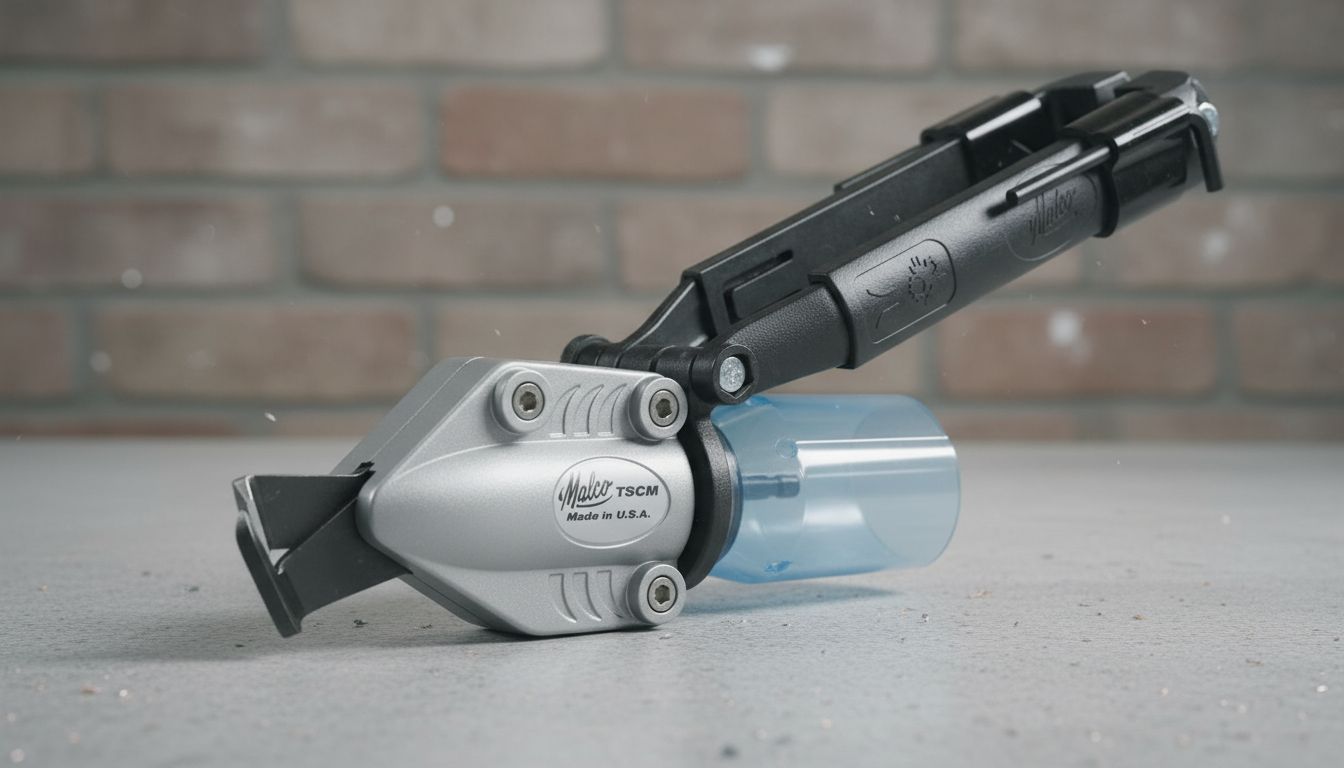
Cutting 29 gauge corrugated metal panels requires different tools than cutting asphalt shingles. Tin snips handle straight cuts at panel ends and simple angle cuts, but they are slow for long cuts and leave a slightly wavy edge. Nibblers (electric or pneumatic) cut clean straight and curved cuts through metal panels without distorting the cut edge. Circular saws with carbide-tipped metal cutting blades make fast straight cuts but throw metal chips — wear eye protection and cover nearby surfaces to protect paint and finishes from the chips.
Metal roofing fasteners require a screw gun or drill with adjustable clutch and depth-stop collar. Over-driving EPDM-washer screws crushes the washer seal; under-driving leaves the washer unseated. A cordless impact driver is too aggressive for metal roofing screws — the sudden torque bursts break washers and strips screw heads. Use a standard cordless drill/driver with torque control.
29 Gauge Metal Roofing Prices and Uses
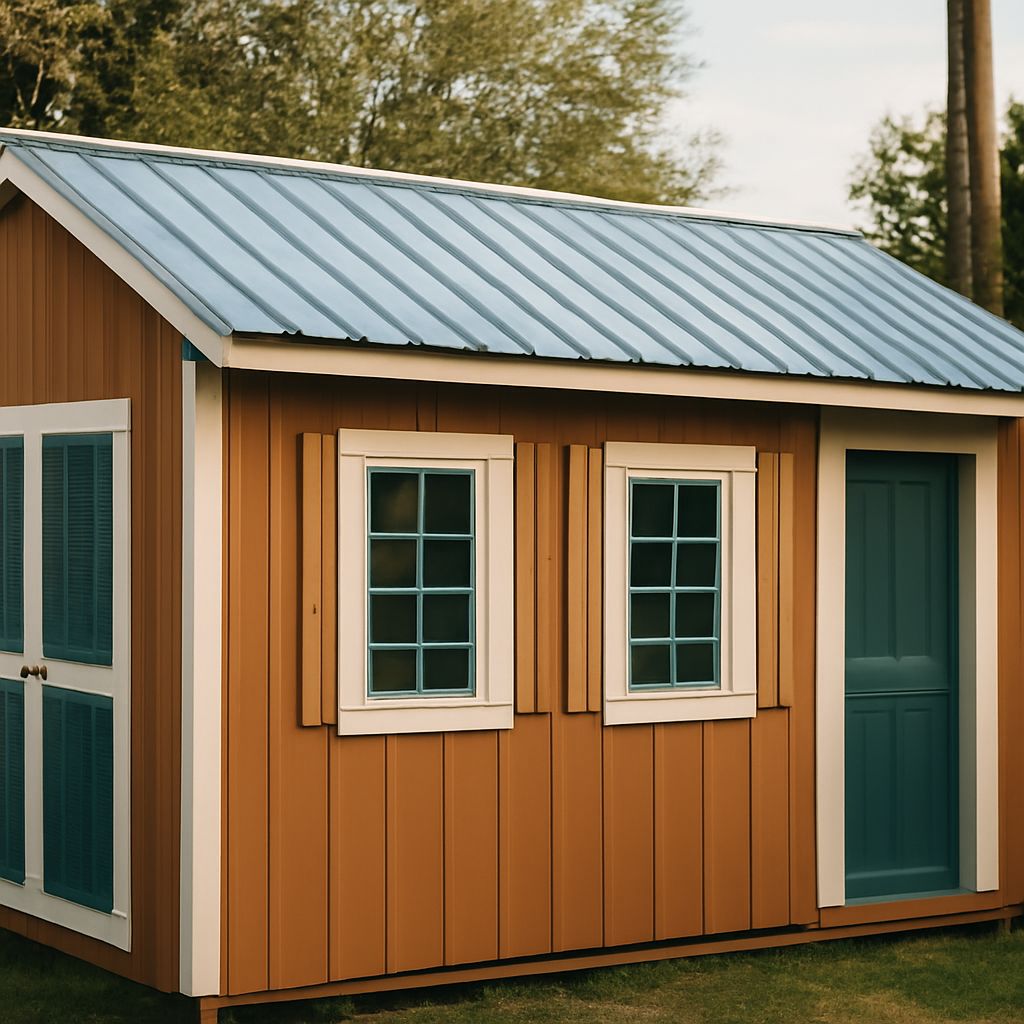
29 gauge corrugated metal roofing is the lightest structural panel commonly used in residential and agricultural applications. At approximately 0.0142 inches thick, 29 gauge panels cost $0.50 to $1.00 per square foot for basic galvanized corrugated. Color-coated 29 gauge runs $0.75 to $1.50 per square foot. Painted Galvalume panels in 29 gauge run slightly higher.
The tradeoff for 29 gauge’s lower cost is reduced hail resistance and lower load-bearing capacity compared to 26 gauge. For barns, equipment sheds, carports, and low-wind, low-snow-load residential applications, 29 gauge performs adequately. For homes in regions with frequent hail, high snow loads, or strong winds, 26 gauge or heavier is the more appropriate specification.
Bottom line: Match your roofing tool selection to the material you’re installing. Metal roofing tools require a different approach than shingle tools, and cutting quality directly affects panel longevity at cut edges. Invest in proper tin snips or a nibbler for metal work rather than improvising with abrasive cut-off wheels that damage panel coatings at the cut line.