Textured Drywall: Popular Patterns, Options, and Application Tips
Textured drywall is the standard in most residential construction — smooth walls are actually a premium option that costs more in labor than textured finishes. How you texture drywall affects the final room character more than almost any other finish decision. Popular drywall textures include orange peel, knockdown, and skip trowel. Drywall texture options extend further to popcorn ceilings (older construction), sand finish, and smooth level 5. Drywall texture patterns range from the very subtle to the architectural dramatic, and the right choice depends on the room’s architectural style, lighting conditions, and what imperfections you need to hide.
Why Texture Drywall
Practical Reasons
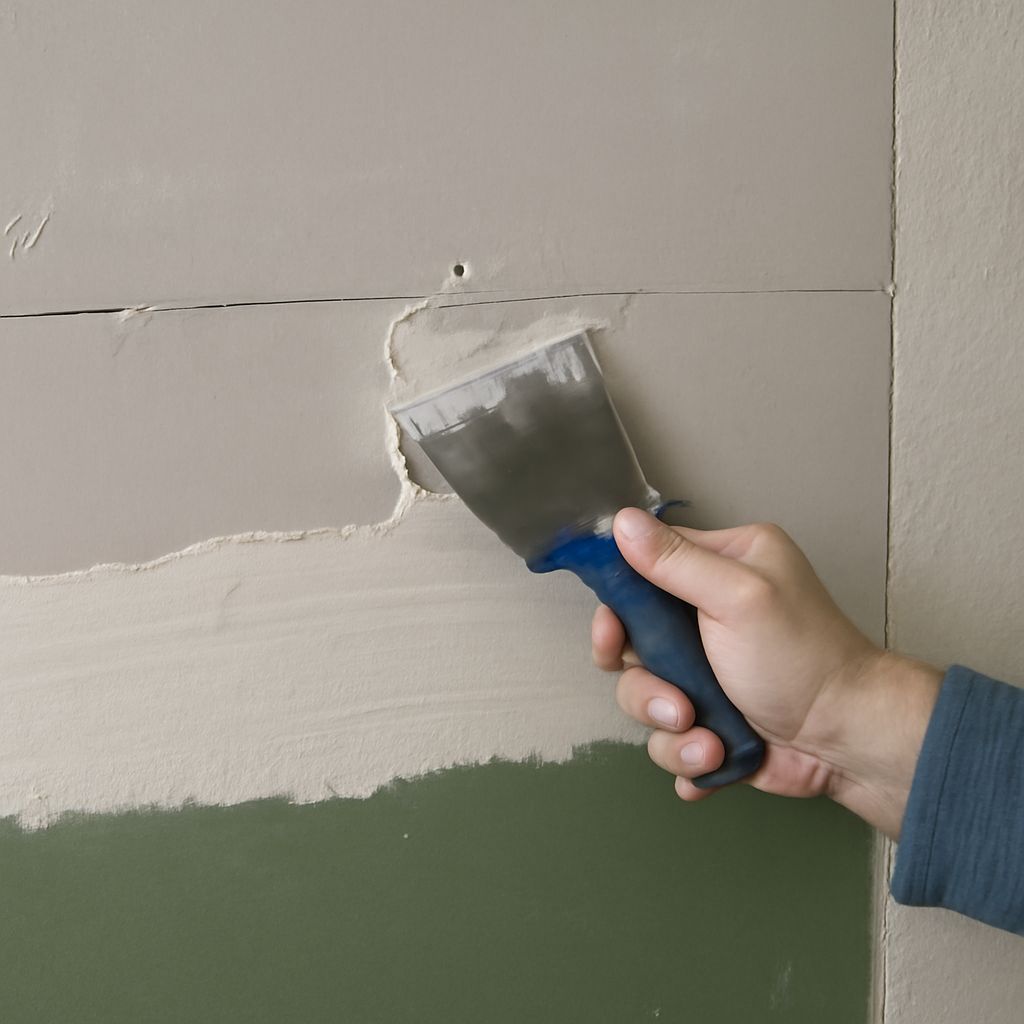
Texture covers minor tape joint and fastener imperfections that would show on a smooth-painted wall. It’s faster to apply than a level 5 smooth finish, which requires skim coating the entire wall surface. In production construction, spray textures allow crews to finish rooms in hours that would take days to smooth coat. For rooms with imperfect framing or sheathing — which is most construction — some degree of texture makes the final wall look far more consistent than smooth paint would.
Aesthetic Reasons
Different drywall texture patterns create different light behavior on a wall. Orange peel is subtle — you notice the texture more in raking light than in general room lighting. Knockdown creates stronger shadow lines. Skip trowel creates the most dramatic variation, with curved compound deposits that create visible shadow depth at all light angles. Smooth walls look modern and clean but amplify any remaining surface imperfection. Matching the texture to the room’s architecture and natural light conditions is the key decision in drywall texture selection.
Popular Drywall Textures by Style
Orange peel: The default for contemporary and transitional homes. Applied with a hopper spray gun, producing a subtle stipple pattern. Works with virtually all paint sheens from flat to semi-gloss.
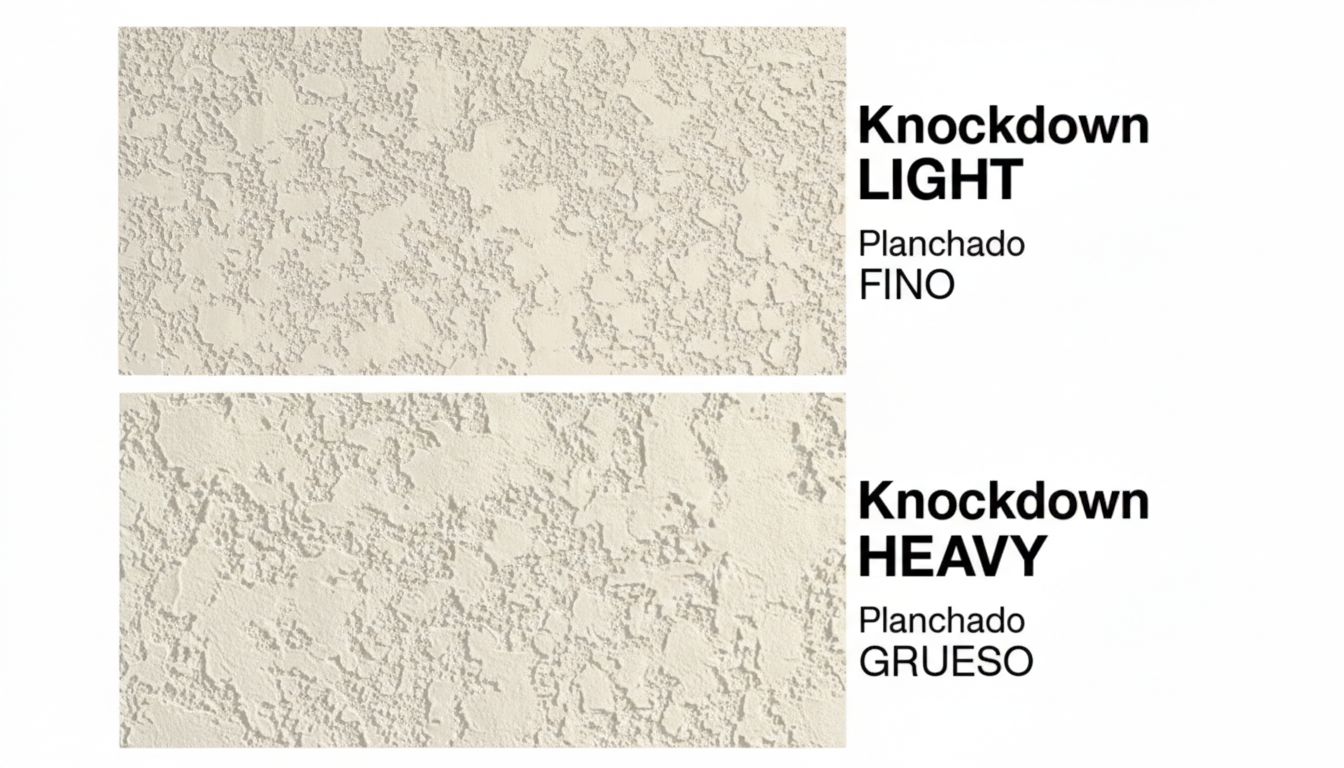
Knockdown: A two-step spray-and-knife process that creates irregular flattened patterns. More decorative than orange peel, associated with Spanish Colonial, Mediterranean, and Tuscan design styles. Pairs well with matte or eggshell paint.
Skip trowel: Hand-applied with a curved trowel, creating rounded compound deposits with smooth edges. The most labor-intensive and expensive of the common textures. Used in high-end Southwestern and coastal homes where the handcrafted look is intentional.
Sand finish: A fine aggregate added to paint or primer creates a consistent sandy texture throughout the room. Popular in Florida and coastal styles. Applied with a roller rather than a trowel or spray gun.
Drywall Texture Options: Ceilings vs Walls
Ceiling textures and wall textures sometimes match and sometimes intentionally differ. Flat or smooth ceilings with textured walls are a contemporary combination. Matching knockdown on both surfaces unifies the room. Popcorn (acoustic) ceilings with smooth walls were a standard combination in 1970s and 1980s construction — still common in unrenovated homes of that era.
For ceilings specifically, the texture weight matters. Heavy textures on a ceiling that isn’t perfectly level (almost no ceiling is truly flat) exaggerate the waviness because the texture shadow lines move as your eye travels across the surface. Subtle orange peel hides ceiling irregularities better than dramatic knockdown on a typical framed ceiling.
Applying Popular Drywall Texture Patterns
Orange peel application: Thin joint compound with water to a pourable consistency, load the hopper, adjust air pressure for desired aggregate size, spray in a consistent overlapping pattern. Let dry completely before painting.
Knockdown application: Same spray setup for the base coat. Wait 10 to 20 minutes (shorter in warm/dry conditions) until the compound begins to firm up but hasn’t dried, then drag a wide drywall knife lightly across the surface to flatten the high points. The timing of the knockdown step determines the final pattern — too early creates minimal texture, too late tears the compound.
Next steps: Before texturing a new room or matching existing texture for repairs, practice your technique on drywall scraps or on a concealed area of the room. Texture application consistency comes with repetition — a few practice passes before you start on the visible wall pays dividends in the final result.