Wood Look Siding: Best Options for Exterior That Looks Like Wood
Wood look siding delivers the character and warmth of natural wood without the maintenance demands that come with real timber on an exterior. If you want exterior siding that looks like wood but can handle decades of weather without rotting, warping, or requiring annual painting, today’s engineered and composite options are worth a close look. And if you’re drawn to natural wood siding specifically for its authenticity, there are hardwood siding species that outperform the pine and cedar once considered standard.
This guide compares the main options for wood looking siding—from fiber cement and engineered wood to natural hardwood siding—so you can match the right product to your project, climate, and budget.
Fiber cement wood look siding
Fiber cement is the most popular wood look siding category in new residential construction. Products like James Hardie’s HardiePlank with a Cedarmill texture closely replicate the grain and shadow lines of cedar lap siding at a distance and in photos. Up close, the surface texture isn’t identical to real wood—but on an installed exterior, most observers can’t tell the difference.
The advantages are substantial: fiber cement doesn’t rot, doesn’t attract termites, resists fire, and holds paint for 10–15 years with a factory-applied finish. The material is heavy (roughly 5 lbs per sq ft), which slows installation and adds to labor cost, but the installed product requires little maintenance beyond periodic repainting.
Fiber cement profiles for wood aesthetics
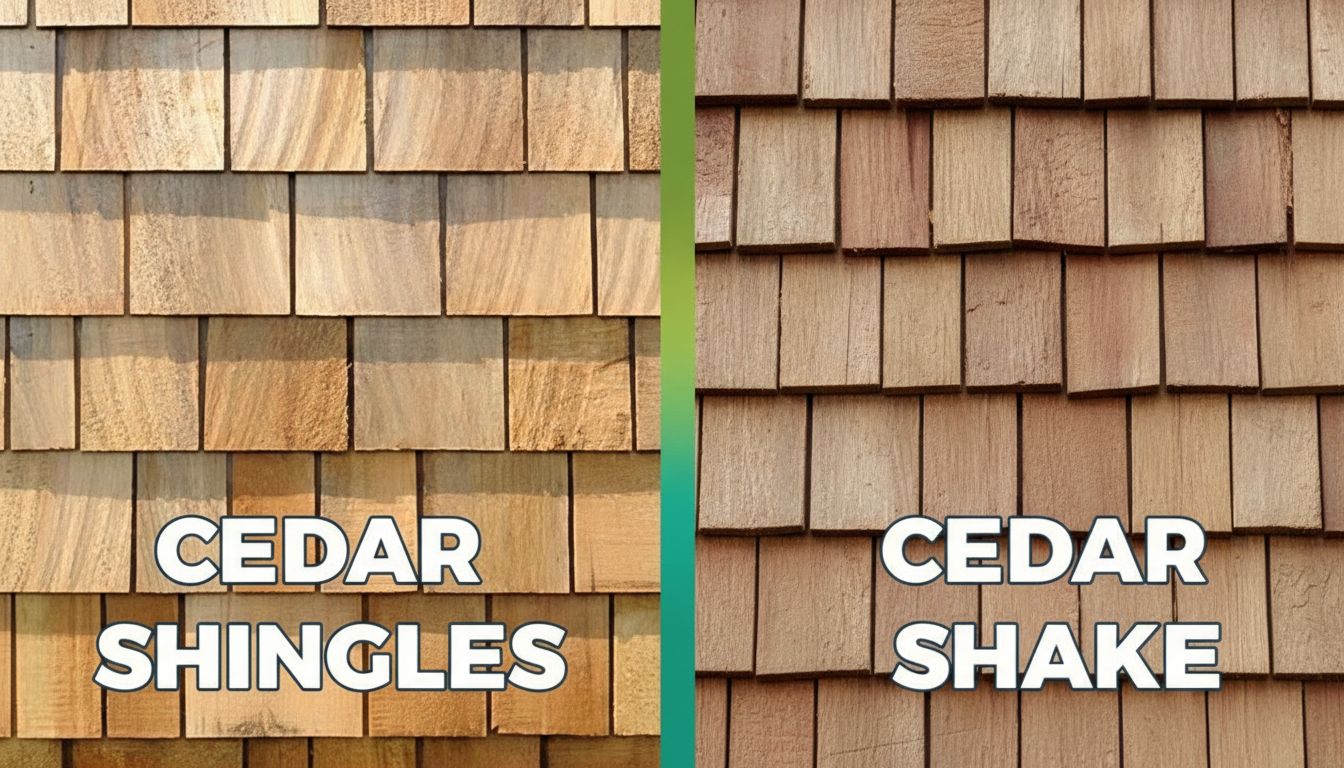
Beyond standard lap siding, fiber cement comes in shingle and shake profiles, board-and-batten, and vertical channel patterns. Each mimics a different style of natural wood siding. The shingle-profile panels work especially well for Cape Cod and craftsman-style homes where real cedar shingles would typically appear.
Engineered wood products
LP SmartSide is the dominant engineered wood siding brand. It’s made from oriented strand board (OSB) treated with zinc borate for rot and insect resistance, then overlaid with a resin-saturated paper surface with a wood-grain texture. It’s lighter than fiber cement, installs faster (it cuts and nails like real wood), and produces a more convincing wood-grain texture than fiber cement at close range.
The tradeoff is that LP SmartSide is technically a wood product—it will absorb some moisture and is more susceptible to swelling at cut edges than fiber cement. Proper installation requires painting all cut ends with a compatible primer, maintaining ground clearance, and using ring-shank nails rather than smooth-shank fasteners. Manufacturer installation guidelines are strict; warranty claims are denied for improper installation.
Natural wood siding options
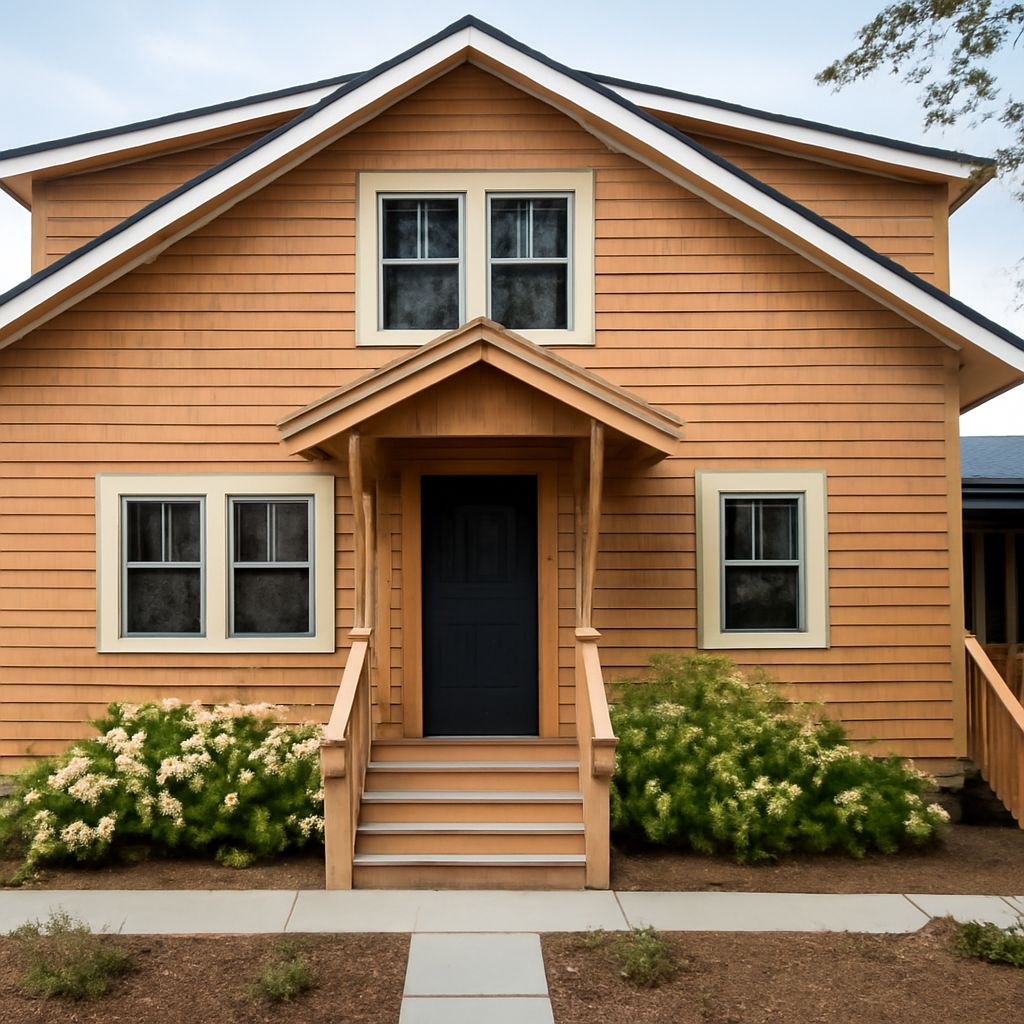
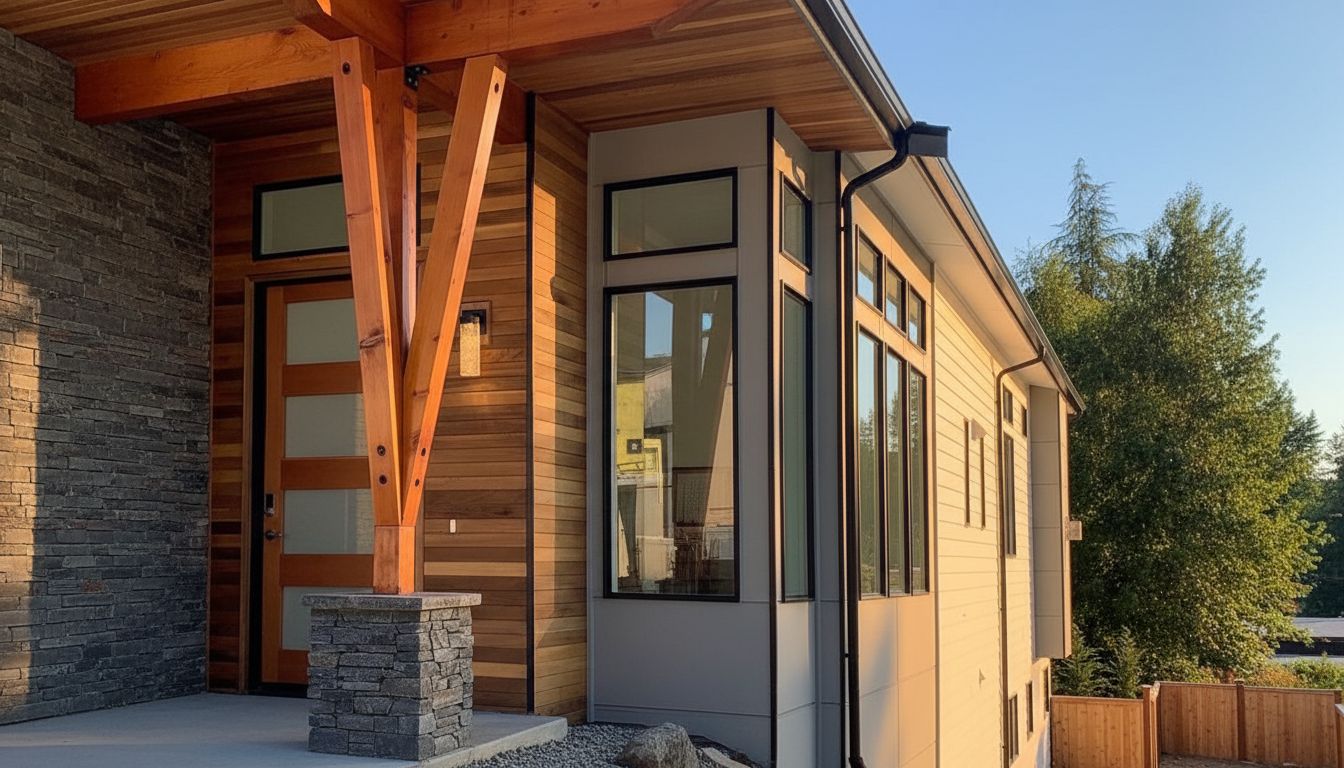
Natural wood siding that looks like wood because it is wood—real cedar, redwood, pine, and Douglas fir lap siding—remains a viable option when aesthetics and authenticity take priority. Real cedar has a naturally warm tone and grain variation that no engineered product fully replicates, especially at close range.
Cedar and redwood are the most rot-resistant softwood siding species. Both contain natural tannins that repel moisture and insects. Properly maintained with stain or paint, either material can last 30–40 years on an exterior. The maintenance commitment is real, however—wood siding typically needs refinishing every 5–7 years.
Hardwood siding species
Hardwood siding—made from dense broadleaf species like white oak, black locust, or Accoya-modified wood—is a premium category that most homeowners don’t consider. These materials offer superior dimensional stability, exceptional rot resistance, and a tight grain structure that holds coatings well. White oak in particular has become popular in modern residential design for both interior and exterior applications.
Hardwood siding costs significantly more than cedar—sometimes 2–4x the material cost—and requires contractors familiar with the specific fastening and expansion requirements of dense wood. It’s worth the price for historically significant restorations, high-end custom homes, and projects where long-term authenticity matters more than first cost.
Choosing the right product
Match product to priorities:
- Lowest maintenance, wood look: Fiber cement with factory finish.
- Most convincing grain texture at close range: LP SmartSide or real cedar.
- True natural wood, moderate maintenance commitment: Western red cedar or redwood.
- Premium durability with authentic wood appearance: White oak or modified hardwood siding.
Climate matters too. In high-humidity coastal climates, fiber cement and hardwood outperform standard pine or cedar. In dry inland climates, natural cedar holds up well and the maintenance window extends. Ask your contractor which products they’ve installed most successfully in your region—local performance data beats any marketing claim.
Bottom line: Engineered and fiber cement wood looking siding options have closed the gap with natural wood significantly over the past decade. For most homeowners prioritizing low maintenance, fiber cement or LP SmartSide is the right call. For projects where authentic grain texture and natural aging matter, cedar or white oak siding rewards the investment.