Fiberglass Pipe Insulation: R-Value Guide for PEX, Steam & Industrial Pipes
Fiberglass pipe insulation is the most widely used insulation product for plumbing and mechanical systems in residential, commercial, and industrial applications. Whether you’re insulating PEX pipe insulation in a crawl space, protecting steam pipe insulation in a boiler system, or specifying industrial pipe insulation for a process line, understanding how pipe insulation works and what pipe insulation R value to target is essential for both energy performance and system protection.
This guide covers the main pipe insulation materials, explains how R-value applies to cylindrical applications differently than flat surfaces, and breaks down the right insulation approach for each pipe type.
How pipe insulation works
Pipe insulation works by reducing heat transfer between the pipe contents and the surrounding environment. For hot pipes, insulation reduces heat loss to the surrounding air, improving system efficiency. For cold pipes, it prevents condensation and freezing. Pipe insulation R value measures the thermal resistance per unit area—but because pipes are cylindrical, the effective R-value per inch of insulation wall thickness is different from flat wall insulation.
Thicker insulation on a small-diameter pipe adds proportionally more surface area, which somewhat offsets the added wall thickness. This is why pipe insulation is often specified by inside diameter and wall thickness rather than R-value alone. For energy code compliance, most jurisdictions use ASHRAE 90.1 tables that specify required insulation thickness by pipe size and fluid temperature.
Fiberglass pipe insulation overview
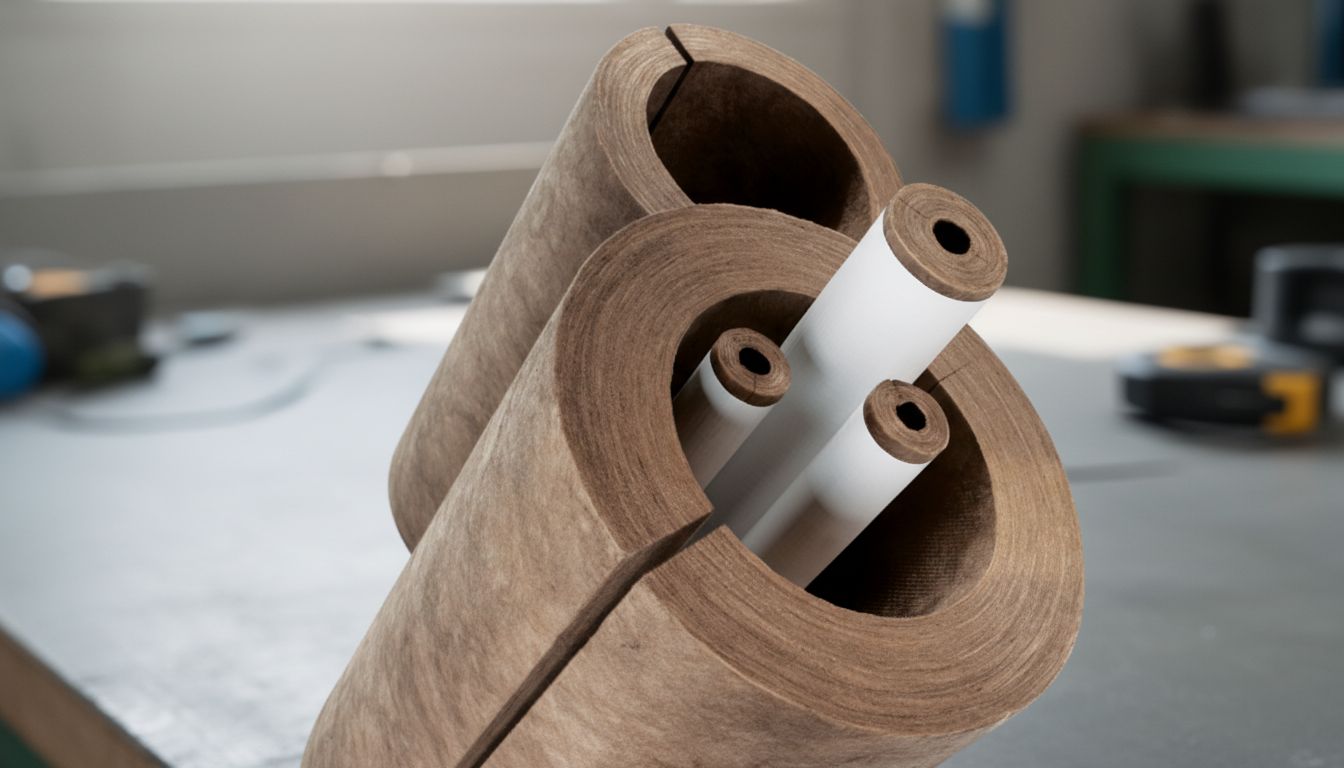
Fiberglass pipe insulation is manufactured as pre-formed split-sleeve sections that clamp around the pipe. The standard product comes in nominal inside diameters from 1/2 inch to 24 inches, in 3-foot sections. Wall thicknesses range from 1/2 inch to 4 inches depending on application requirements.
Fiberglass pipe insulation typically delivers R-3.0 to R-4.0 per inch of wall thickness. It’s suitable for pipe temperatures from cryogenic applications up to approximately 1,000°F on high-temperature grades (with appropriate facing). Standard residential grades are rated to 450°F.
The most common facing materials for fiberglass pipe insulation are all-service jacket (ASJ)—a foil-kraft laminate—and plain fiberglass without facing for applications where a vapor barrier isn’t needed or where jacketing will be applied over the insulation.
PEX pipe insulation
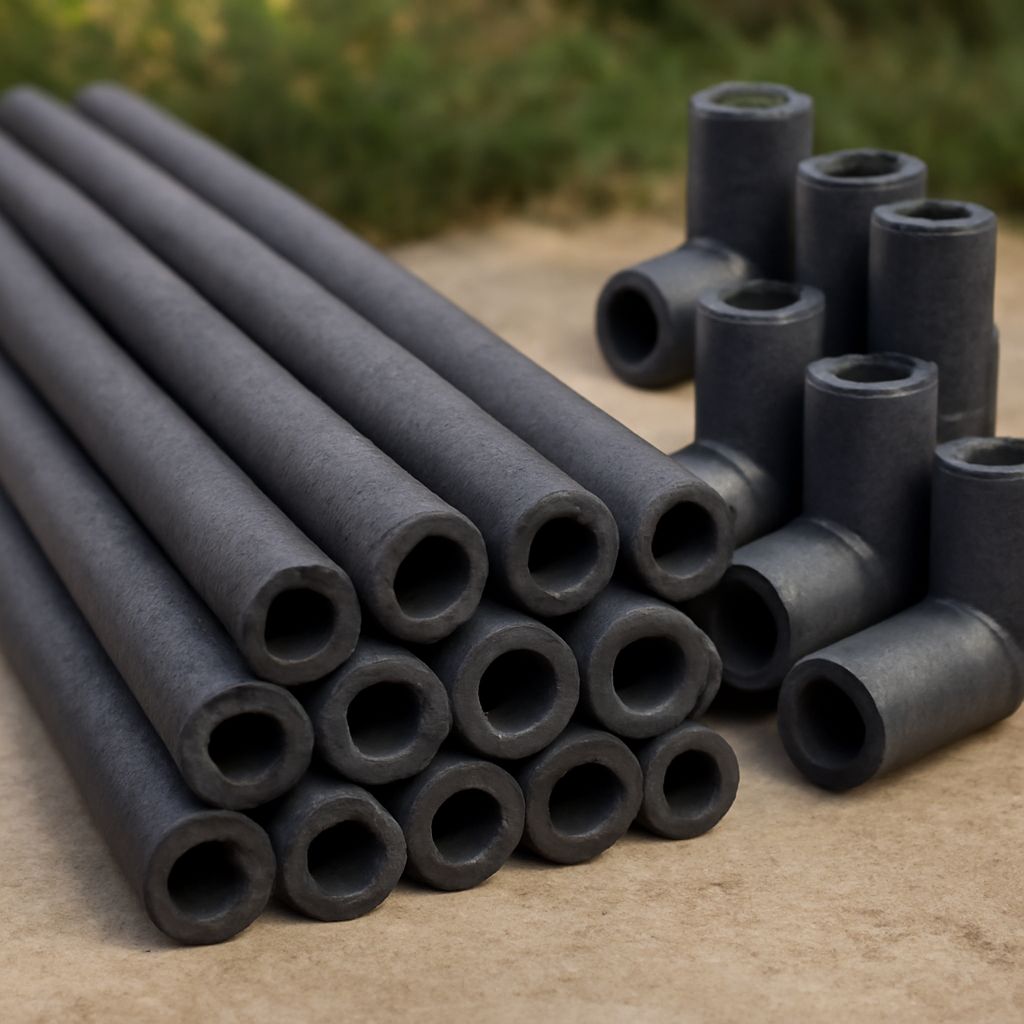
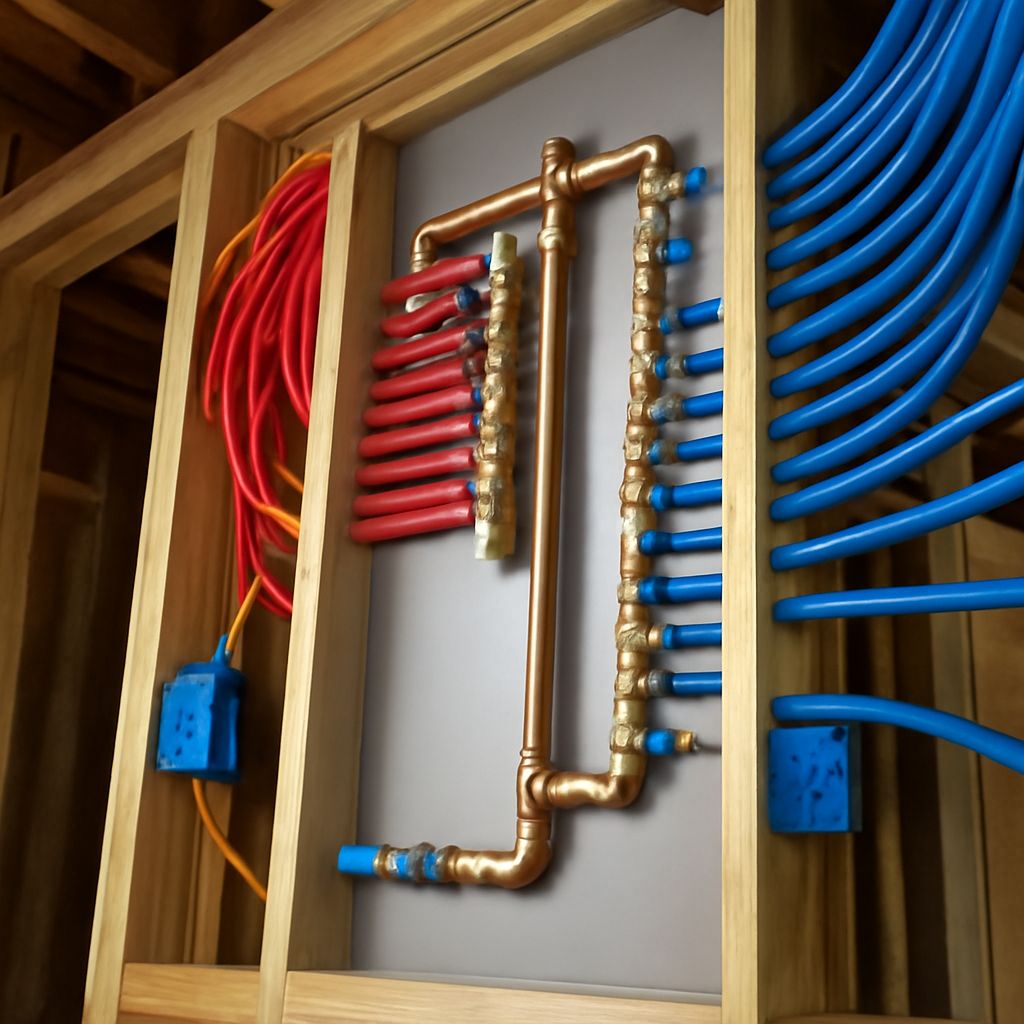
PEX pipe insulation is primarily installed for two reasons: freeze protection in unheated spaces and heat retention on hot-water supply lines. In most residential applications, foam pipe insulation (polyethylene or elastomeric rubber) is the standard choice for PEX rather than fiberglass—it’s flexible enough to bend around fittings, easier to cut, and self-sealing with split-sleeve designs.
For PEX in crawl spaces and unconditioned areas where temperatures drop below freezing, 3/4-inch wall foam insulation on 3/4-inch PEX provides meaningful freeze protection. It won’t prevent freezing in sustained sub-zero conditions without heat tape, but it extends the time before the pipe reaches freezing temperatures, which matters in areas where cold spells are brief.
Fiberglass pipe insulation is a better choice for PEX in attic runs where temperatures exceed 150°F in summer, since foam degrades at high temperatures. Use fiberglass with ASJ facing in these applications.
Steam pipe insulation
Steam pipe insulation is a specialized application that differs from standard hot-water plumbing. Steam carries heat at temperatures of 212°F and above—often 250–350°F in commercial boiler systems. Standard foam insulation cannot handle these temperatures; fiberglass and mineral wool (rock wool) are the appropriate materials.
For steam lines, pre-formed fiberglass pipe sections with an ASJ jacket are standard for residential and light commercial boiler systems. For higher-pressure steam lines in industrial settings, calcium silicate or cellular glass insulation may be specified for higher temperature tolerance and compressive strength.
Jacketing is critical on steam pipe insulation exposed to physical contact. Personnel protection requirements (preventing burns from touching hot pipe surfaces) drive jacket selection in occupied mechanical rooms—aluminum or stainless steel jacketing over fiberglass insulation is typical.
Industrial pipe insulation systems
Industrial pipe insulation combines thermal insulation, vapor barriers, weather protection, and sometimes cladding in a single system. Applications include process piping, chilled water systems, refrigerant lines, and high-temperature lines in manufacturing facilities.
Key materials for industrial pipe insulation beyond fiberglass include: mineral wool (rock wool) for temperatures up to 1,200°F; cellular glass for cryogenic and high-moisture environments; calcium silicate for high-temperature, high-compressive-strength requirements; and aerogel blanket insulation for space-constrained applications where standard wall thicknesses won’t fit.
Next steps: Determine your pipe’s operating temperature range and service environment before specifying insulation. Check your local energy code for minimum required insulation thickness by pipe size and fluid temperature—most residential codes follow IECC tables, while commercial projects use ASHRAE 90.1. For steam systems, consult a mechanical engineer if you’re unsure of your operating pressure and temperature to select the right insulation class.