What does FIP mean in plumbing?
In the world of plumbing, terminologies such as FIP can often seem confusing, especially if you’re not a professional plumber. So, what is FIP in plumbing? FIP, which stands for Female Iron Pipe, is a crucial component in plumbing systems that ensures secure and efficient connections. Understanding FIP and MPT fittings, and knowing what these terms mean, can greatly enhance your ability to maintain or install plumbing systems effectively.
To grasp the essence of what FIP stands for in plumbing, it is important to dive deeper into its application and comparison with other fittings. This knowledge is essential, not just for DIY enthusiasts but also for anyone looking to have informed discussions with their plumbing professional. Let’s explore FIP fittings in detail, their uses, and how they differ from other plumbing components.
Understanding FIP in plumbing
What does FIP stand for in plumbing?
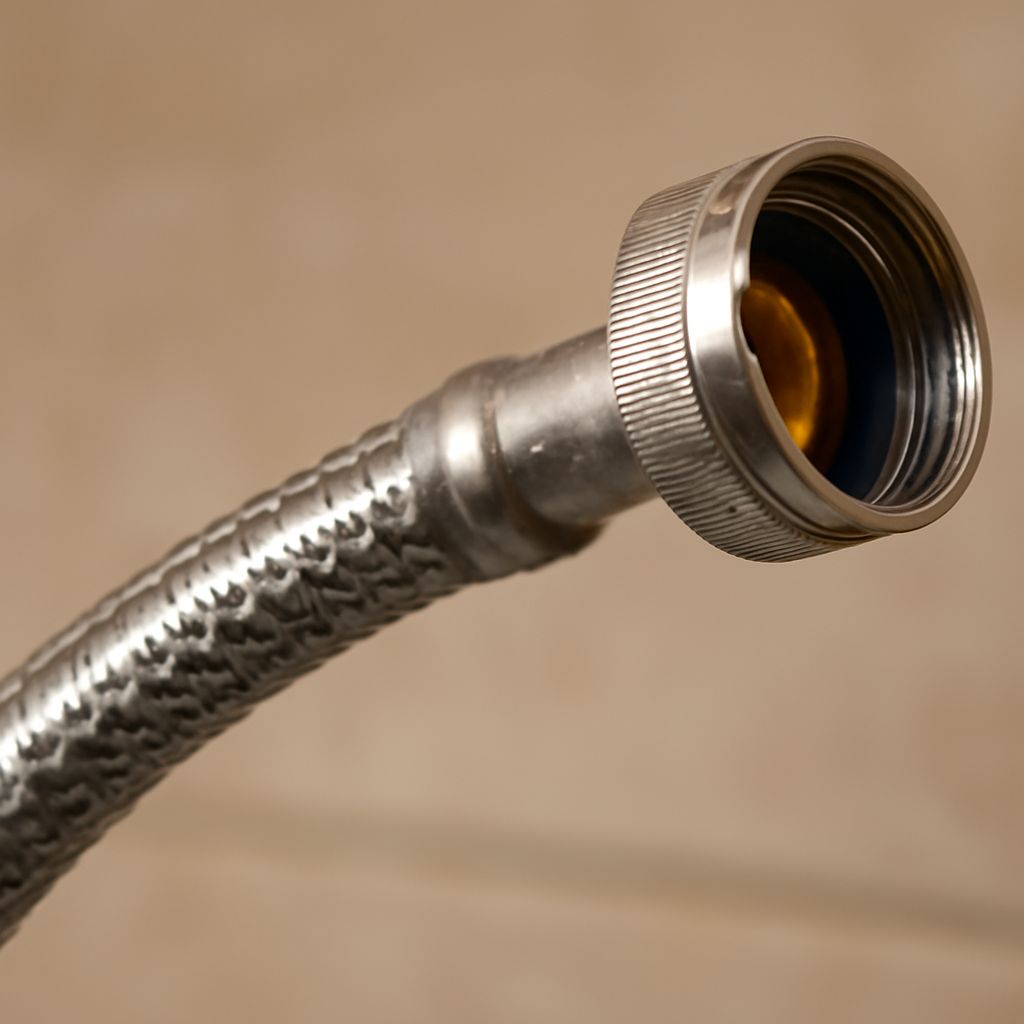
FIP, or Female Iron Pipe, refers to a type of fitting used to connect pipes. An FIP fitting is designed with threads on the inside, allowing it to fit over a pipe with male threads. This makes it an integral part of many plumbing systems, providing a strong, leak-proof connection. Aside from the conventional terminology, you might also encounter this fitting referred to as internally threaded or female threaded.
Types of FIP fittings
There are several varieties of FIP fittings, each serving different purposes based on the specific needs of a plumbing system. Common examples include elbows, tees, and couplings, each useful in guiding the flow of water and connecting different sections of piping. The variations in these fittings can significantly influence the efficiency and functionality of your plumbing setup.
Common uses of FIP fittings in plumbing
FIP fittings are frequently used in various plumbing applications due to their versatility and durability. In residential settings, you’ll find them in water supply lines, facilitating the secure connection of pipes without the need for welding. In larger commercial or industrial setups, they play a key role in connecting extensive networks of piping, ensuring seamless operation and maintenance.
How does FIP differ from other plumbing terms
Comparing FIP and MPT
Understanding the difference between FIP (Female Iron Pipe) and MPT (Male Pipe Thread) is essential for selecting the right components for your plumbing system. While FIP fittings have internal threads, MPT fittings feature external threads, allowing them to screw into FIP fittings. This complementary relationship makes both fittings indispensable for creating secure, leak-free connections.
Why choose FIP fittings over others
Opting for FIP fittings over other types can offer several advantages. Their internal threading provides a seamless and straightforward installation process, reducing the risk of leaks and enhancing the integrity of the plumbing system. Moreover, their compatibility with a wide range of pipe materials makes them a versatile choice for various plumbing projects.
Practical applications of FIP fittings
Residential plumbing solutions
In home plumbing, FIP fittings are often used for tasks such as connecting water heaters, faucets, and other fixtures. Their ability to form tight seals makes them ideal for preventing leaks and ensuring the longevity of household plumbing systems. By using FIP fittings, homeowners can achieve professional-grade results without needing extensive plumbing knowledge.
Commercial plumbing uses
In commercial plumbing, the scope and scale of FIP fitting applications expand significantly. They are crucial in the construction of large-scale water supply systems, irrigation setups, and even fire sprinkler networks. Their robustness and ability to handle high pressures make them a preferred choice in these demanding environments.
Next steps: To ensure the longevity and efficiency of your plumbing system, it is important to regularly inspect your FIP fittings for signs of wear or potential leaks. If you notice any issues, consider consulting a licensed plumber to perform necessary repairs or replacements. Educating yourself about the different types of fittings and their proper applications can also be beneficial for future DIY plumbing projects.