Grout Mixer, Paver Grout, Platinum Grout, and Grout Bags Explained
The difference between a professional-looking tile installation and an amateur result often comes down to mixing and application technique. Using a grout mixer attachment on a drill produces consistent, lump-free grout that flows smoothly and cures uniformly. Understanding the right product for different applications — from indoor tile with platinum grout to outdoor paver grout and masonry joint filling with grout bags — ensures you choose the right tool and material for every situation.
This guide covers proper grout mixing technique, outdoor paver grouting products, premium interior grout colors, and how to use grout bags and a masonry grout bag for controlled joint filling in stone, brick, and masonry work.
Using a Grout Mixer for Consistent Results
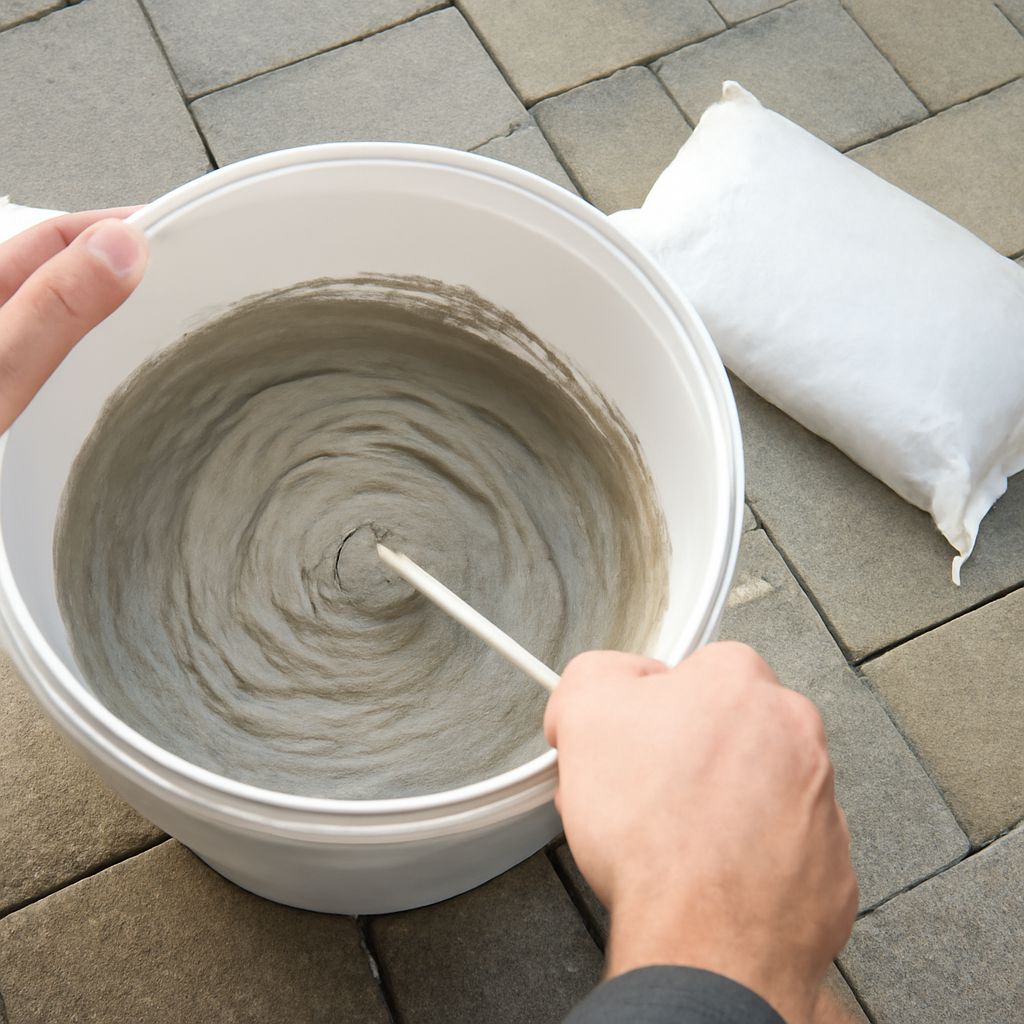
A grout mixer paddle attachment for a variable-speed drill produces far more consistent results than hand mixing with a margin trowel. The key is mixing at low to medium speed — under 300 RPM — to avoid introducing air bubbles into the mix. High-speed mixing aerates the compound, creating a porous, weakened grout that may not cure to full strength and can develop surface pitting.
The mixing process: add grout powder to a clean bucket, then add measured water slowly while mixing. The manufacturer-specified water-to-powder ratio is important — too much water weakens the grout and causes shrinkage cracking; too little makes it stiff and difficult to work into joints. After initial mixing to a uniform consistency, allow the grout to slake (rest) for 5 to 10 minutes, then remix briefly before use. This slaking period allows the polymer modifiers in the grout to fully activate and improves workability.
Clean the mixer thoroughly with water immediately after use — cementitious grout sets quickly and dried grout on the paddle becomes progressively harder to remove. For large batches, keep a bucket of clean water nearby and rinse the mixer between batches to prevent cross-contamination from partially cured material.
Paver Grout: Outdoor Joint Filling Options
Paver grout for outdoor applications must handle freeze-thaw cycles, UV exposure, weed pressure from below, and foot or vehicle traffic — conditions that would quickly destroy standard interior cementitious grout. Several product categories serve outdoor paver joint applications:
- Polymeric sand: The most popular choice for dry-laid pavers. Activated by water to bind sand particles together, creating a firm joint that resists erosion and weed germination while remaining slightly flexible for seasonal movement.
- Mortar-based paver grout: Portland cement-based mix for mortared applications where pavers are set in mortar beds. Requires expansion joints every 8 to 10 feet to accommodate thermal movement without cracking.
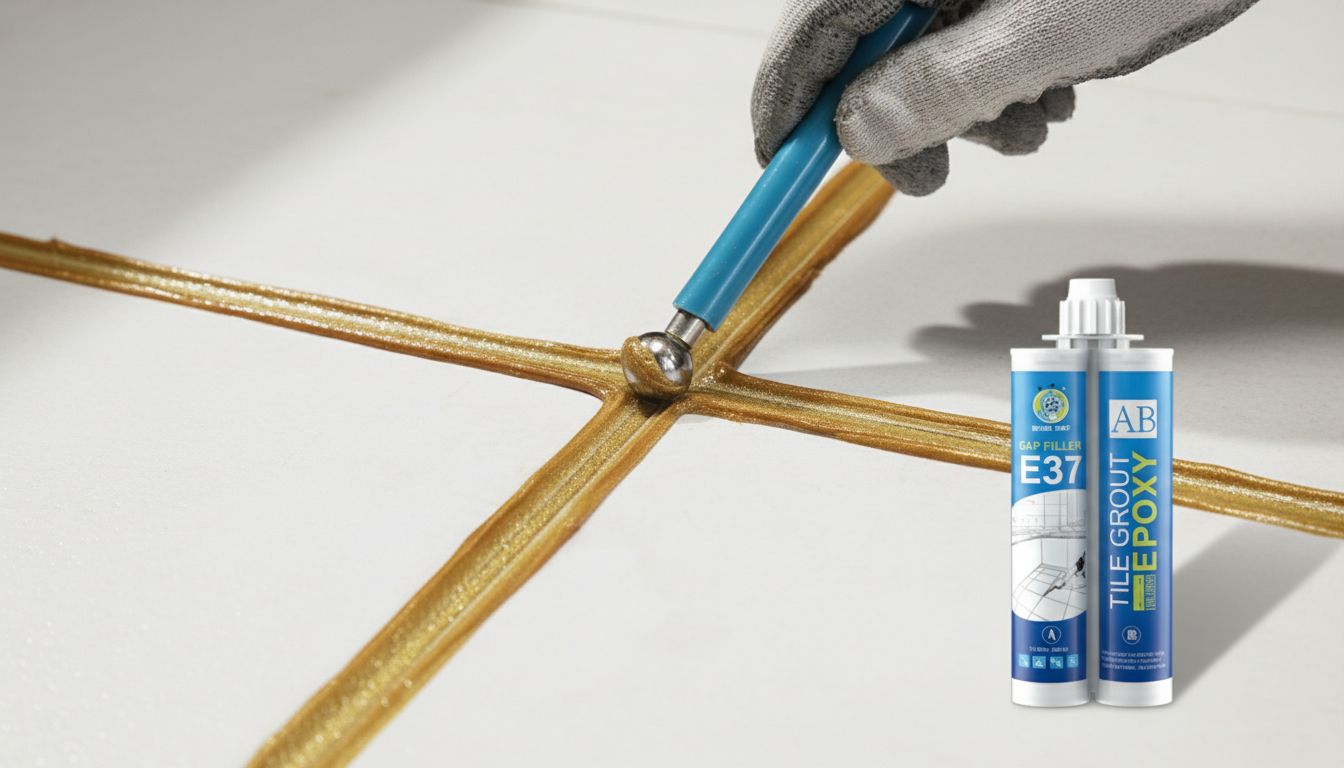
- Epoxy paver grout: Maximum durability for high-traffic commercial applications. Stain-proof, chemical-resistant, and extremely hard — also the most expensive and most difficult to install.
When selecting paver grout, confirm the joint width — most polymeric sand products are rated for joints between 1/4 inch and 1.5 inches. For wider joints in natural flagstone or random slate, mortar-based products are more appropriate.
Platinum Grout and Premium Color Grout Options
Platinum grout refers to a light silver-gray color in grout product lines — a neutral that reads as contemporary and upscale while maintaining broad compatibility with light, dark, and colorful tile palettes. Platinum or silver-gray grout is particularly popular with large-format porcelain tile in whites and light grays, where it creates a refined, almost invisible joint line at distance.
Premium color grout products use higher-quality pigment systems than standard lines, offering more consistent color batch-to-batch, better fade resistance, and in some formulations, integrated stain inhibitors that reduce maintenance. Brands like Laticrete SpectraLock (epoxy-based, stain-proof from installation), TEC AccuColor, and Custom Building Products Prism are recognized premium lines worth the modest cost premium for high-visibility installations.
Grout Bags and Masonry Grout Bag Application Techniques
Grout bags are heavy-duty fabric or plastic bags with a shaped metal or plastic nozzle tip used to inject grout or mortar into joints from above, similar to a pastry bag for decorating. A masonry grout bag is the tool of choice for repointing brick, natural stone walls, and filling mortar joints in below-grade masonry where access with a standard float is impractical.
Using a grout bag correctly: fill the bag no more than halfway for comfortable control. Fold the open end over several times to create pressure when squeezed. Direct the nozzle into the joint at a slight angle and squeeze steadily as you draw the bag along the joint. Overfill slightly — most mortar and grout applications compact slightly and the surface joint should be flush or slightly proud for tooling. Tool the joint to the desired profile with a jointing tool or the back of a spoon within 15 to 30 minutes of application before the mortar skins over.
Grout bags are also used for filling wide floor joints in industrial applications, injecting caulk-like sealer into horizontal masonry control joints, and grouting tile in areas where overhead work or awkward angles make conventional floating impractical. For masonry repointing projects on historic buildings, consult a masonry specialist before selecting grout type — matching the original mortar composition is critical to prevent damage to old soft-brick construction.
Safety recap: Wear nitrile gloves when working with cementitious grout and mortar — repeated skin contact with cement causes chemical burns and dermatitis over time. Eye protection is essential when mixing or using grout bags, as splatter is common. When working with epoxy grout systems, follow manufacturer ventilation requirements — epoxy curing agents can cause respiratory sensitization with repeated exposure.