Gas Plumbing: Systems, Risers, Smart Technology, and Professional Services
Gas plumbing is a specialized branch of residential systems work that carries higher safety stakes than water supply or drain work. A failed water pipe causes property damage; a failed gas connection creates explosion and fire risk. Understanding how plumbing systems integrate gas and water distribution, what a plumbing riser is, how smart plumbing technology is changing gas safety monitoring, and when to engage professional gas plumbing services gives you the knowledge to make safe, informed decisions about your home systems.
This guide covers the fundamentals of gas pipe materials, system layouts, vertical distribution, and the technologies and professionals who keep gas systems safe and efficient.
Gas Plumbing Basics and Safety Requirements
Gas pipe materials and sizing
Gas plumbing in residential construction primarily uses three pipe materials: black steel pipe (the traditional standard), CSST (corrugated stainless steel tubing), and copper (in some regions for natural gas, more commonly for propane). Black steel pipe with threaded fittings has been the standard for over a century and remains code-compliant everywhere. CSST revolutionized gas plumbing in new construction — its flexibility allows installation with far fewer fittings than rigid steel pipe, reducing both installation time and potential leak points. However, early CSST installations required bonding to protect against lightning-induced arc perforation; newer-generation CSST (Arc Flash Resistant) addresses this concern.
Gas pipe sizing follows different rules than water supply sizing. The flow demand of all connected appliances determines the minimum pipe size, with pressure drop calculations verifying adequate delivery pressure at the farthest appliance. Under-sized gas piping causes appliance performance problems — a range burner that cannot reach full output, a water heater with slow recovery, or a furnace that cannot maintain setpoint in cold weather.
Gas plumbing codes and inspections
All gas work requires permits and inspections in virtually every US jurisdiction. The International Fuel Gas Code (IFGC) provides the baseline, with local amendments. Every new gas line installation, appliance connection, and modification must be inspected and approved before concealment. A gas pressure test — typically maintaining a specified pressure for a set duration with no drop — verifies that the system is leak-free before the meter is re-opened. Never skip the permit process for gas work — insurance implications for unpermitted gas installations are serious, and the safety stakes are simply too high.
Plumbing Systems Overview: Water and Gas Together
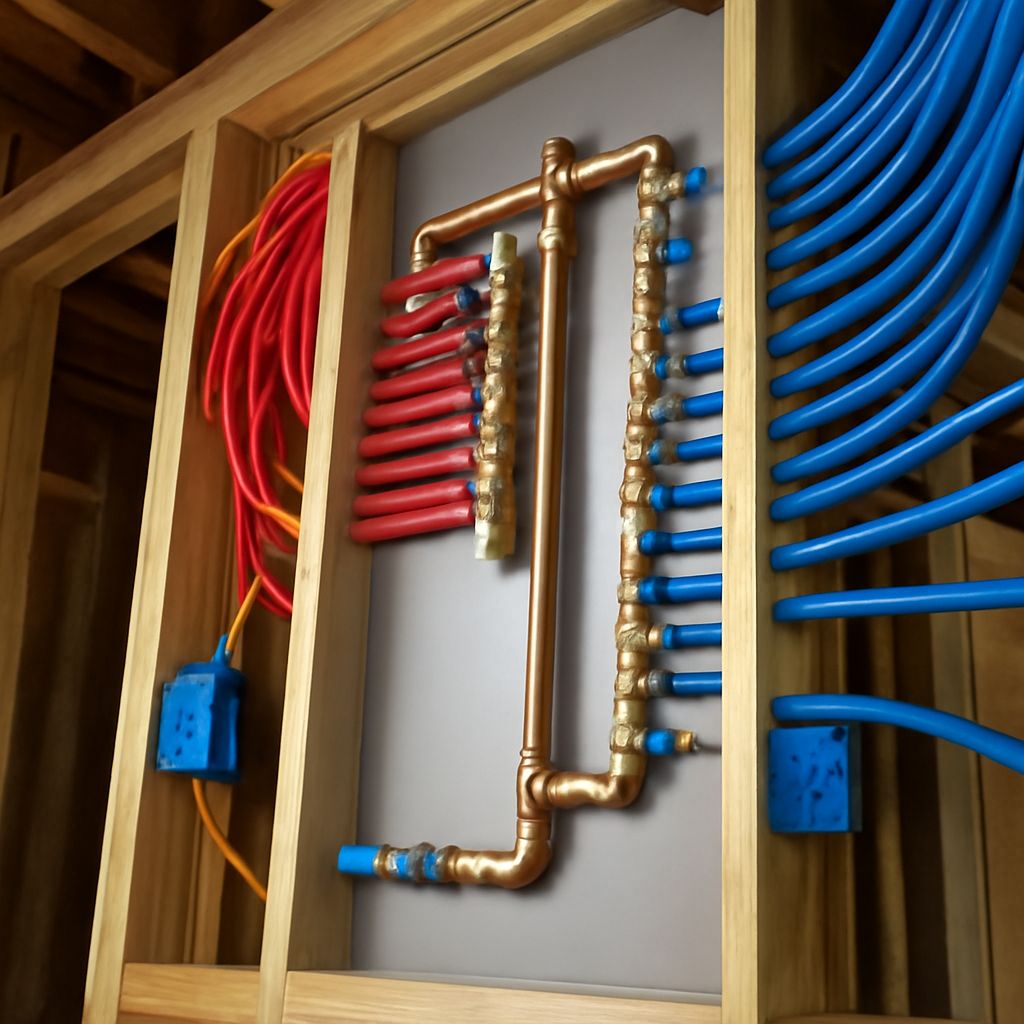
Residential plumbing systems encompass both water supply (hot and cold) and gas supply (natural gas or propane) distribution, as well as the drain-waste-vent system for removing liquid and solid waste. In a typical home, these systems share the mechanical space — utility room or mechanical room — where the water heater, furnace, and sometimes a gas dryer are all connected to both gas and water supply lines within a few feet of each other.
Understanding how both systems share the building requires knowing which lines carry which fluid at which pressure. Gas supply runs at 7-inch water column pressure (roughly 0.25 PSI) inside the home for most residential appliances — far lower than water supply pressure (40 to 80 PSI). This difference affects how leaks behave: a small water supply leak is visible immediately; a small gas leak may be detectable only by smell (for odorant-treated gas) or with electronic detection equipment.
Plumbing Riser and Vertical Distribution Systems
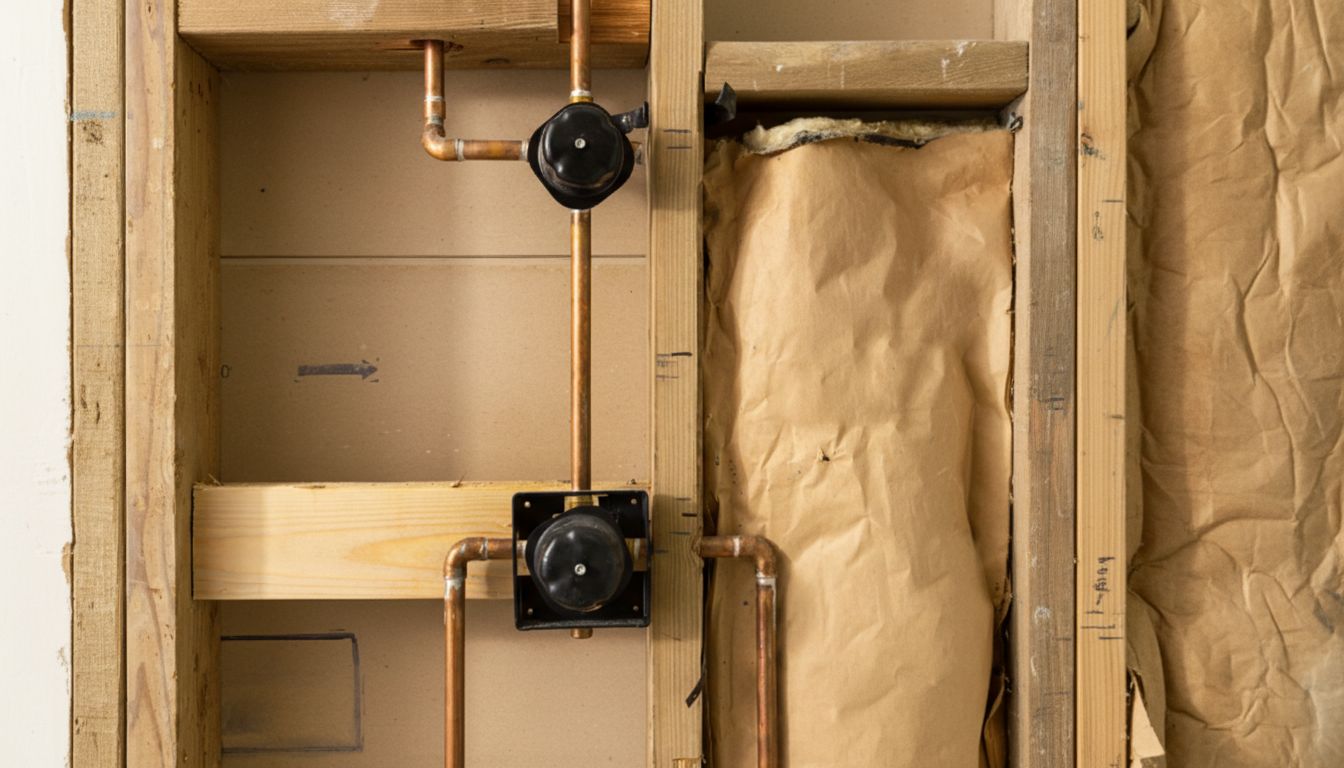
A plumbing riser is a vertical pipe run that distributes water or gas from one floor to another. In multi-story homes, risers connect the main supply at the basement or ground level to branch lines on upper floors. In commercial and multi-family buildings, risers are the primary vertical supply arteries — typically located in mechanical chases accessible for maintenance.
In residential construction, the term riser most commonly appears in plumbing diagrams and permit drawings to distinguish vertical runs from horizontal branch lines. When a plumber talks about running a riser to the second floor bathroom, they mean the vertical pipe segment that rises from the first floor supply to the point where it branches out to serve second floor fixtures. Riser diagrams — schematic drawings showing all vertical supply and drain connections — are required in many jurisdictions for permit applications.
Smart Plumbing Technology and Gas Plumbing Services
Smart plumbing technology has advanced significantly in recent years. Smart gas leak detectors (Kidde, First Alert, and specialized units) continuously monitor for gas presence and can alert your smartphone, sound an audible alarm, and in some systems automatically shut off the gas supply valve when gas is detected. These devices install near gas appliances and in mechanical rooms for comprehensive coverage.
Whole-home water and gas leak detection systems from companies like FloLogic and Phyn use flow monitoring and pressure sensing to detect both water and gas leaks anywhere in the distribution system — even slow leaks that would otherwise go undetected for weeks. Smart water heaters with remote monitoring add another layer of system visibility. For high-end applications, full building management integration connects gas, water, HVAC, and electrical monitoring into a single dashboard.
Professional gas plumbing services include new appliance connections, repipe work, leak investigation, and annual gas system inspections. Annual inspections by a licensed gas technician — checking all accessible connections, verifying appliance operation, and inspecting combustion venting — are a best practice for any home with multiple gas appliances. Consult a licensed gas plumber for any suspected leak, any new appliance addition, or any modification to existing gas lines.
Safety recap: If you smell gas in your home, do not use any light switches or electrical devices, do not use open flames, leave the home immediately, and call your gas utility from outside or from a neighbor location. Do not re-enter until the utility has cleared the structure. Gas work is not a DIY project — the combination of permit requirements, specialized tools, and critical safety implications makes licensed professional installation the only appropriate approach for any gas system work beyond changing an appliance connection at a flex fitting.