Drywall Toggle Anchor, Drywall Hangers, and Ceiling Texture Guide
Hanging shelves, mirrors, light fixtures, and other items on drywall without hitting a stud requires the right fastener for the load. A drywall toggle anchor is the go-to solution for heavier items — properly installed toggles support 50 to 100 lbs or more in wall drywall. Understanding the different types of drywall hangers, how to install a ceiling drywall anchor for overhead applications, what drywall ceiling texture options exist for finishing, and how plumbing hangers differ from standard drywall anchors gives you a complete toolkit for drywall work.
This guide covers toggle anchor selection and installation, wall and ceiling hanging hardware, popular ceiling texture types, and how plumbing support hangers integrate with drywall systems.
Drywall Toggle Anchor Types and Weight Ratings
Spring toggle vs. snap toggle anchors
A drywall toggle anchor works by passing a collapsible metal or plastic wing through a hole drilled in the drywall, then allowing the wing to expand behind the panel and bearing against the back side. Two main types dominate: spring toggles (also called Molly bolts or traditional butterfly toggles) and snap toggles (brand names include SnapToggle and TOGGLER).
Spring toggles require a hole large enough for the collapsed wings to pass through — typically 1/2 to 5/8 inch. Once the screw is inserted and the wings spread behind the drywall, tightening the screw pulls the wings against the panel back. The limitation: if you remove the screw, the toggle falls into the wall cavity. Rated for 50 to 100 lbs in 1/2-inch drywall depending on bolt size.
Snap toggle anchors use a rigid bar that stays in place behind the drywall, held by a plastic strap you pull taut from the face side. The bolt threads into the bar, clamping the drywall between the bar and the bolt head. Snap toggles are reusable — you can remove and reinstall the bolt without losing the anchor. They also allow for a smaller hole than traditional spring toggles and are rated to 265 lbs in 1/2-inch drywall for the larger sizes.
Ceiling drywall anchor for overhead loads
Installing a ceiling drywall anchor for overhead loads requires more caution than wall applications. Ceiling drywall is typically 1/2-inch thick (or 5/8-inch for commercial or firewall assemblies) and the gypsum panel is in tension under a hanging load rather than compression as in wall applications. For light loads under 5 lbs, a swivel hook with a self-drilling tip is adequate. For loads of 10 to 50 lbs, a snap toggle anchor rated for ceiling use is the right choice. For anything heavier — ceiling fans, hanging plants in heavy pots, swings — fastening to a ceiling joist with a lag screw is required.
Drywall Hangers: Securing Items Without Studs
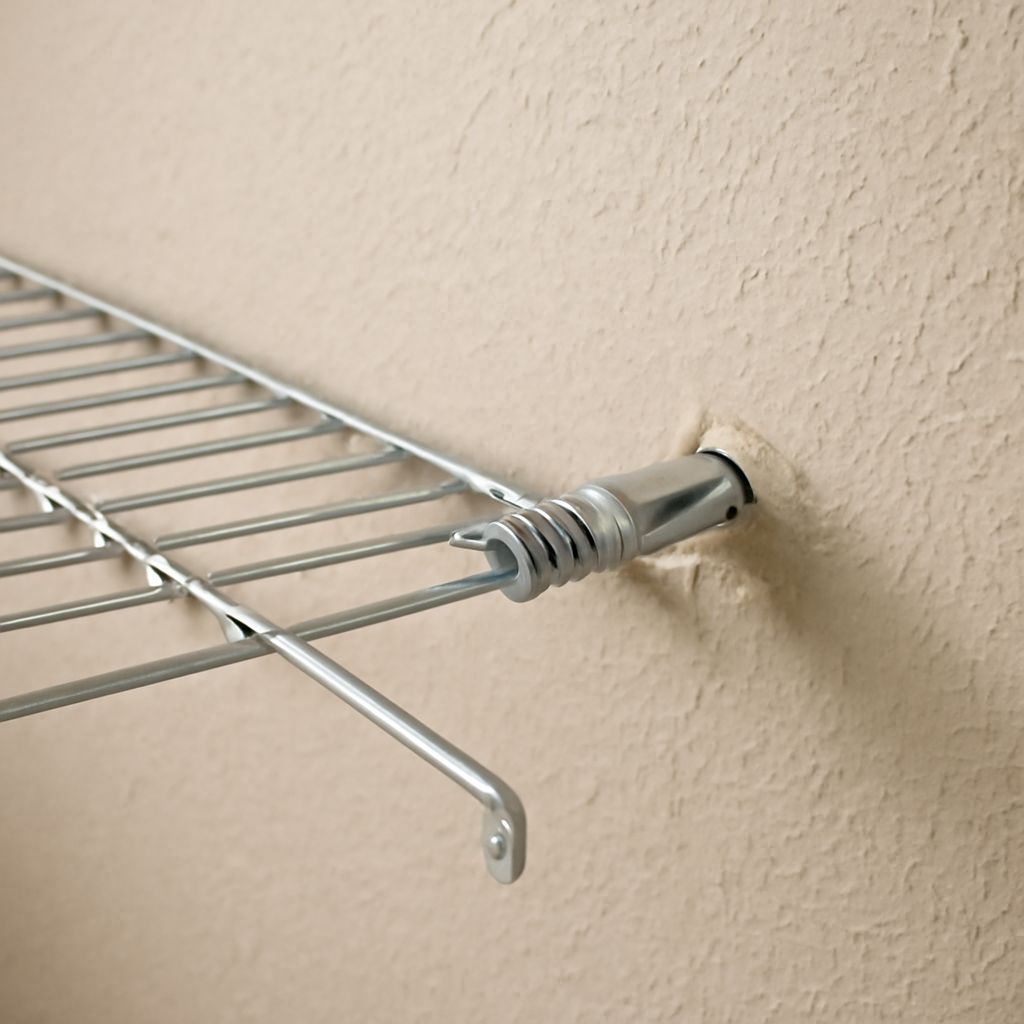
Drywall hangers include picture hooks, adhesive strip systems, toggle anchors, and self-drilling anchors. For lightweight framed artwork and photos under 20 lbs, adhesive picture strips (Command strips) are sufficient and damage-free. For medium-weight items from 20 to 50 lbs, a self-drilling screw anchor provides adequate support in drywall without toggle installation. For heavy items like large mirrors, wall-mounted TVs, and shelving that will bear significant load, toggle anchors or stud mounting is required.
Never use adhesive strips or small plastic expansion anchors for heavy items — the failure mode is sudden and can damage both the item and the wall. Match the anchor to the actual load, including a safety factor. A 30-lb mirror should use anchors rated for 60 lbs minimum.
Drywall Ceiling Texture: Types and Application Methods
Drywall ceiling texture is applied for both aesthetic and practical reasons — texture hides seam imperfections and gives ceilings visual interest. Common texture types:
- Knockdown texture: Joint compound is splattered on the ceiling with a roller or hopper, then flattened (knocked down) with a trowel after partial drying. Creates a mottled, irregular surface. Most common in western US and newer construction.
- Popcorn (acoustic) texture: Sprayed-on product containing polystyrene or vermiculite beads. Common in homes built from 1960s to 1990s. Note: pre-1979 popcorn texture may contain asbestos — test before disturbing.
- Orange peel texture: Fine splatter texture applied with a hopper gun, resembling orange peel skin. Subtle and easier to paint than knockdown.
- Skip trowel: Joint compound applied in irregular passes with a trowel and then lightly smoothed, leaving a varied surface pattern. Popular in Spanish and Mediterranean-style homes.
Plumbing Hangers and How They Differ From Drywall Anchors
Plumbing hangers are specialized pipe support hardware designed to anchor pipes to framing, concrete, or other structural elements. They are not wall anchors — they support the weight of the pipe and its contents (water, gas) and must connect to structural framing or concrete, not to drywall alone.
Common types include clevis hangers for horizontal pipe runs, ring hangers for lighter PVC and CPVC runs, and J-hooks for securing PEX tubing. All plumbing hangers are screwed through drywall into wood framing or concrete anchors, never into drywall alone. A copper water pipe full of water can weigh 2 lbs per foot — multiply that by a 20-foot run and you have 40 lbs of dynamic load that no drywall anchor is designed to handle.
Pro tips recap: When in doubt about drywall anchor capacity, go larger. Self-drilling anchors are convenient but limited to lighter loads. Use snap toggles for anything 30 lbs and above in walls, and always connect to framing for ceiling fans and plumbing. Test ceiling drywall texture on a scrap piece or inconspicuous area first — texture is difficult to remove cleanly once applied.