Grout Gun, Grout Sealer Applicator, and Urethane Grout Tools Explained
The right tool makes grouting and sealing tile dramatically easier, faster, and cleaner. A grout gun eliminates hand-forcing epoxy and urethane compounds into joints, while a grout sealer applicator ensures even sealer coverage without smearing it across tile faces. Understanding when and how to use each tool — and how they relate to working with urethane grout — helps you achieve professional results on any tile project.
This guide covers grout gun types and applications, how to select and use a grout applicator for different grout types, how a grout wand speeds up sealer application, and what makes urethane grout different from standard cementitious products.
What Is a Grout Gun and How Does It Work
Grout gun types
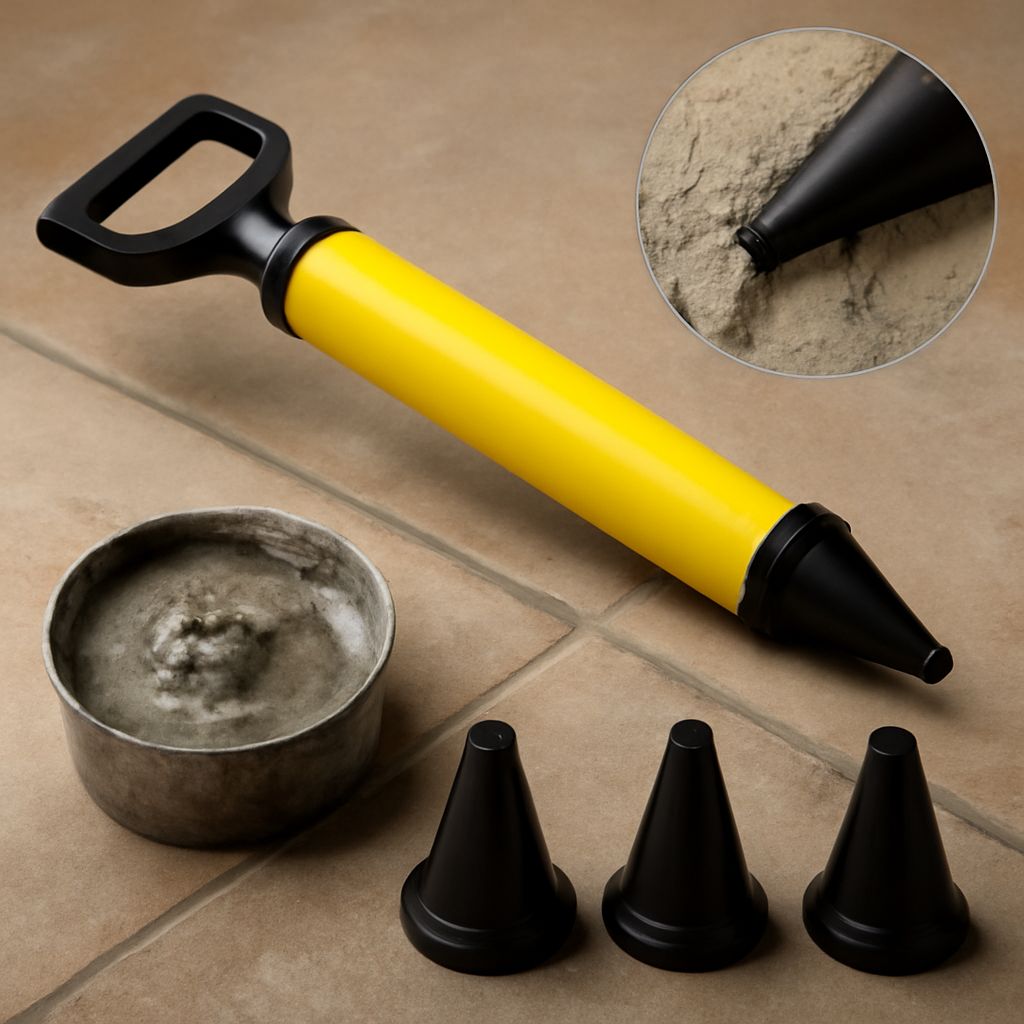
A grout gun is a caulking gun-style tool designed to dispense thick grout or sealant materials into tile joints under controlled pressure. Standard caulking guns with a smooth barrel work for pre-mixed grout in tubes. For two-part epoxy or urethane grout cartridges that require mixing at the nozzle, you need a specialized dual-component dispenser gun — these hold side-by-side cartridges and use a mixing nozzle to combine resin and hardener as the material is dispensed.
When to use a grout gun vs. traditional grouting
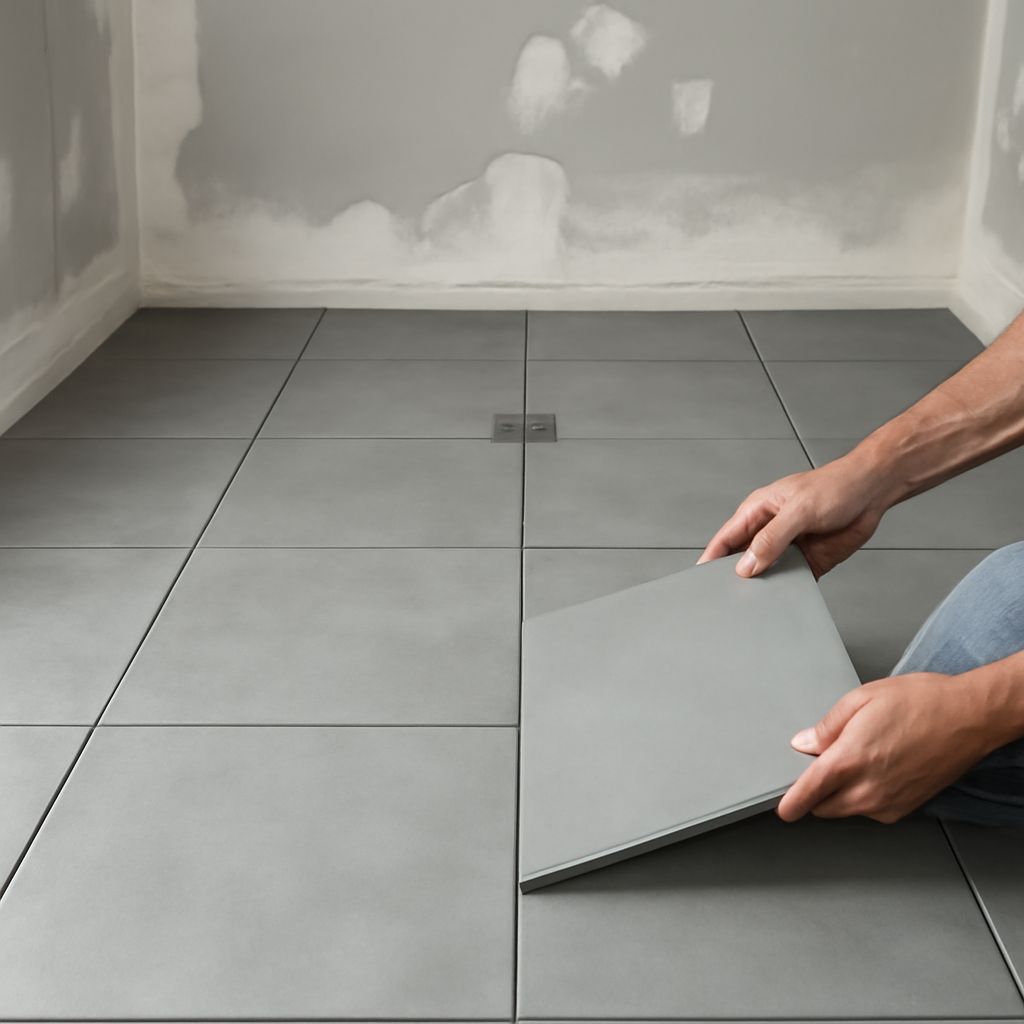
Traditional float grouting is the right approach for large areas of cementitious grout — you spread material across the tile face with a rubber float and work it into joints at a 45-degree angle. A grout gun becomes valuable when working with tube-format pre-mixed grout in narrow joints, with epoxy or urethane cartridge systems, for touch-up repairs on existing installations, and when grouting in tight or awkward spaces where floating a large area is not practical.
Grout Sealer Applicator and Grout Wand Options
Sealing grout after installation protects it from staining and moisture penetration. The challenge is applying sealer only to the grout lines without coating the tile surface, which can dull the finish on polished or glazed tile. A grout sealer applicator solves this problem.
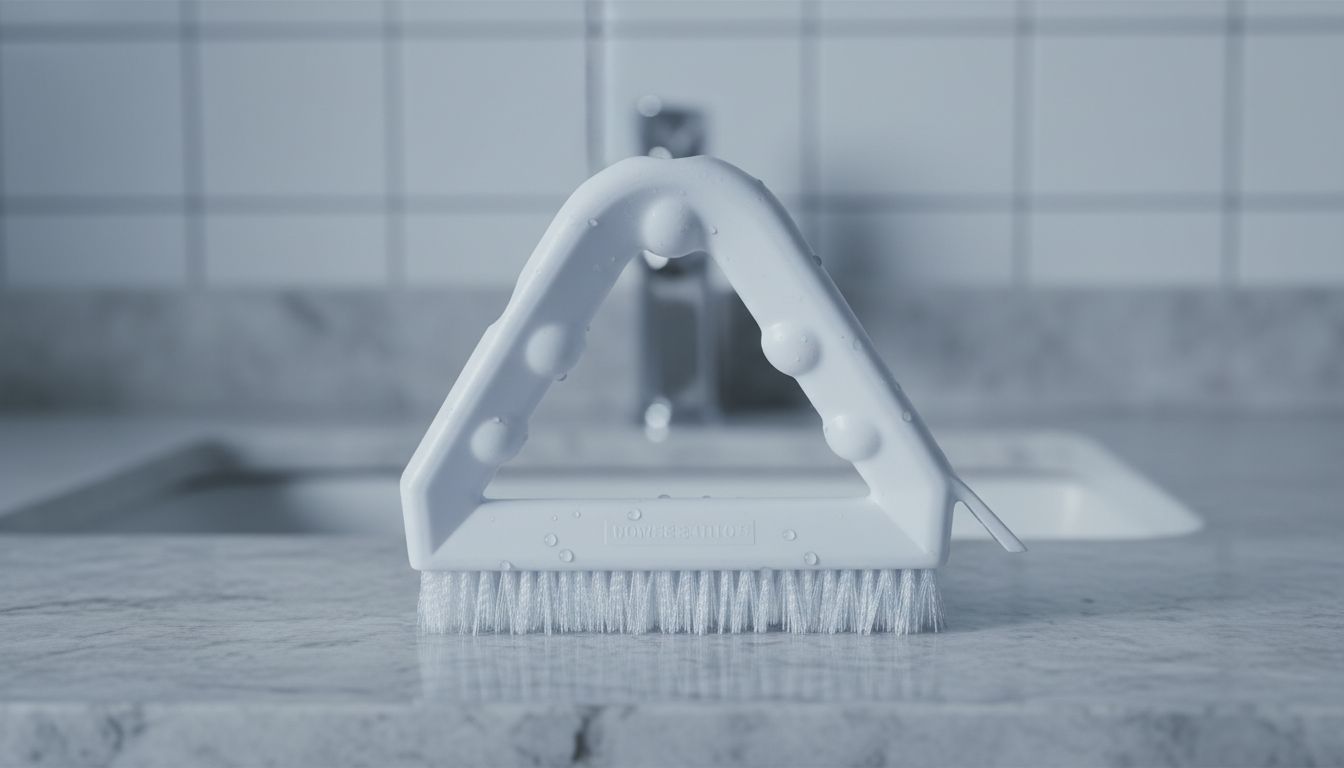
The most common applicator types are foam bottle applicators with a narrow tip, roller-wheel applicators with a wheel sized to fit standard grout joint widths, and spray applicators for floor-wide application followed by cleanup of the tile surface. A grout wand is a long-handled tool with an absorbent tip that lets you apply sealer to floor grout lines while standing, eliminating the need to kneel on hard tile for extended periods. Grout wands are particularly valuable for large floor tile installations.
Working with Urethane Grout: Tools and Techniques
Urethane grout is a single-component, pre-mixed, polymer-based grout that is non-porous and stain-proof from installation — it does not require sealing. Brands like Fusion Pro and Spectralock are popular urethane products. The material has a thicker consistency than cementitious grout and is dispensed from a bucket using a grout float.
Key technique differences when using urethane grout: work in smaller sections because it skins over faster than sanded grout. Clean the tile surface thoroughly with a barely damp sponge within 20 to 30 minutes of application — once urethane grout hazes, it is much harder to remove. Use the manufacturer-specified grout haze remover for stubborn residue rather than abrasive pads, which can scratch tile. Urethane grout is not compatible with some natural stone tiles — consult the manufacturer specifications before applying to marble, limestone, or travertine.
Choosing the Right Grout Applicator for Your Project
Selecting the appropriate grout applicator depends on your project size, grout type, and joint width. For large-format tile installations with wide joints (3/16 inch or larger), a standard rubber float is the most efficient tool. For mosaic tile with very narrow joints, a tile squeegee provides more control. For tube-format or cartridge products — including urethane grout in cartridge form — a quality caulk gun or dual-component dispenser is essential.
For sealer application, a narrow-tip foam applicator is ideal for small areas and touch-ups. A grout wand handles large floors efficiently. For entire room applications on unglazed or tumbled tile where sealer will go over the entire surface, a pump sprayer followed by tile surface cleanup is the fastest approach.
Bottom line: Match your tool to your grout type and project size. Invest in a grout wand for floor sealing projects — it saves your knees and cuts application time in half. For urethane and epoxy systems, always use the applicator recommended by the manufacturer to ensure proper mixing and consistent results.