Pool Plumbing Guide: Supplies, Parts, and Installation Basics
A well-designed pool plumbing system is the circulatory system of your entire pool. Without properly sized pipes, quality fittings, and the right layout, even the best pump and filter underperform. Whether you are building new or upgrading an existing setup, understanding pool plumbing supplies and their roles helps you make confident decisions and avoid expensive mistakes.
This guide covers how swimming pool plumbing works, which pool plumbing parts matter most, and how inground pool plumbing is laid out from the ground up. You will also find troubleshooting tips to keep water flowing cleanly all season.
Pool Plumbing System Overview
How suction and return lines work
Every pool plumbing system has two circuits: suction and return. Suction lines pull water from the pool through skimmers and main drains, deliver it to the pump, pass it through the filter, and sometimes through a heater. Return lines push clean, treated water back into the pool through jets or eyeball fittings. Sizing both circuits correctly — typically 2-inch or 2.5-inch PVC for residential pools — ensures the pump operates at maximum efficiency without cavitation or excessive noise.
Common pool plumbing layouts
Most inground pools use a parallel plumbing layout where the main drain and skimmers run on separate lines that merge at the pump. This allows you to control the balance between surface skimming and bottom circulation using a multiport valve. Some designs use a series layout for smaller pools, but parallel gives you more flexibility for future equipment additions like inline chlorinators or UV sanitizers.
Essential Pool Plumbing Supplies and Parts
Pumps, filters, and valves
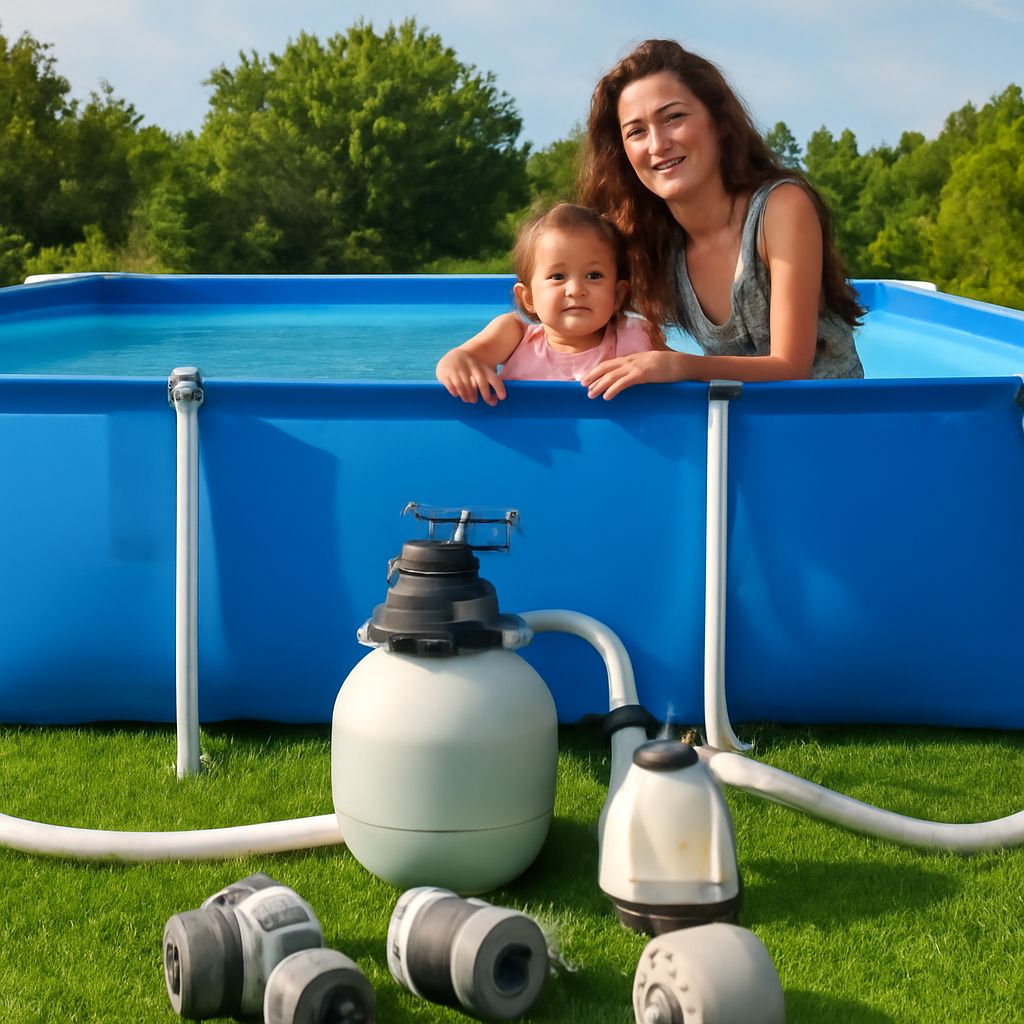
The pump is the heart of your pool circulation. Variable-speed pumps have become the standard choice because they run quietly at low speeds for routine filtration and ramp up for backwashing or vacuuming. Your filter — sand, cartridge, or DE — sits downstream and removes particles the pump pushes through. Between these two key components, ball valves and gate valves let you isolate lines for service without draining the entire system.
PVC pipe sizing and fittings
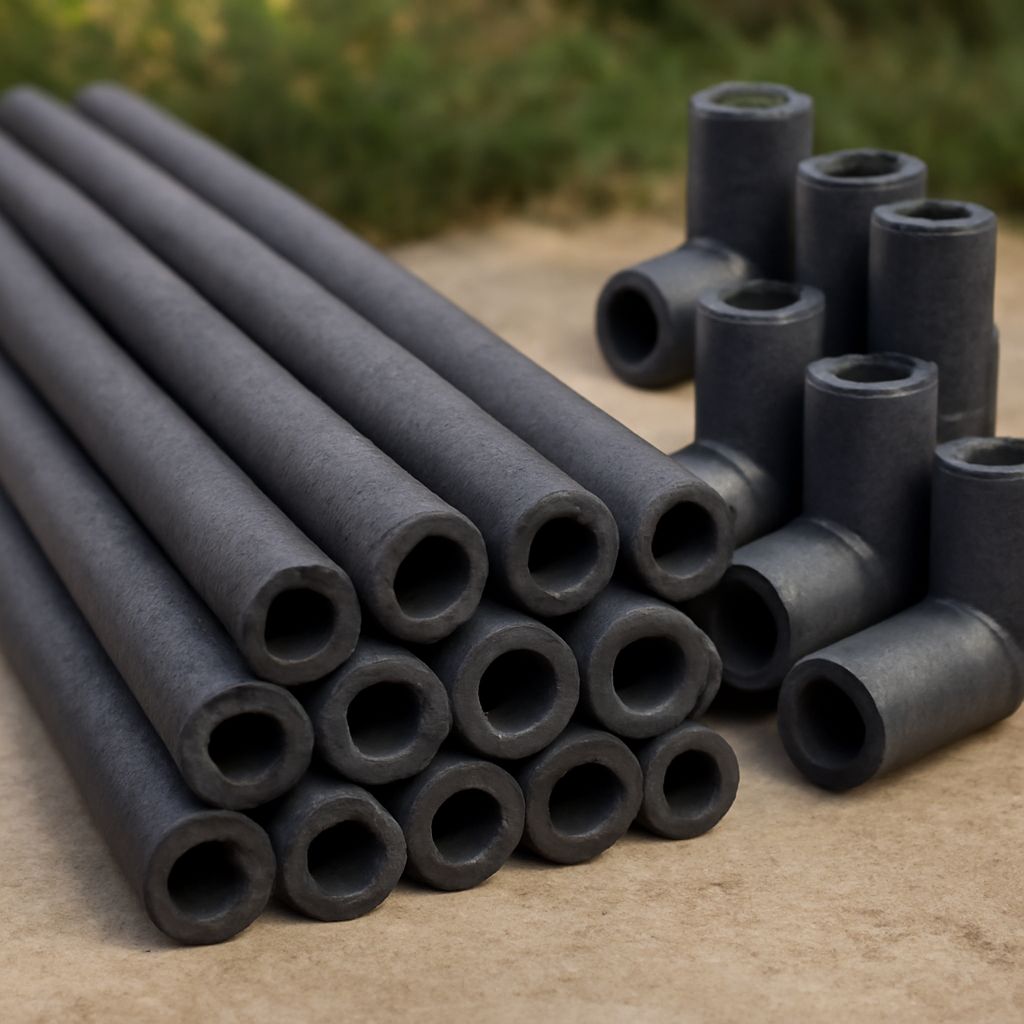
Schedule 40 PVC is the industry standard for residential pool plumbing. Fittings include 45- and 90-degree elbows, unions — essential for allowing equipment removal — tees, and reducers. Always use purpose-made pool and spa PVC cement and primer. Unions near every piece of equipment prevent the need to cut pipes when servicing pumps, filters, or heaters.
Inground Pool Plumbing Installation Steps
Planning your inground pool plumbing before the shell goes in is critical. Pipe chases need to be mapped to avoid crossing lines and to minimize 90-degree bends, which restrict flow. PVC pipes are typically glued in place before the concrete shell is poured or the liner is installed.
- Plan your equipment pad location within 25 feet of the pool for efficient suction lift
- Trench suction and return lines to the pool shell, maintaining a slight downward slope away from the pool for winterization drainage
- Install main drain anti-vortex covers to meet VGBA safety requirements
- Pressure-test all lines before backfilling at 30 PSI for at least 30 minutes
- Connect equipment at the pad using unions so each piece can be removed for service
Troubleshooting and Maintaining Swimming Pool Plumbing
Low flow, air bubbles in the returns, and skimmer suction loss are the most common swimming pool plumbing complaints. Air in the system usually points to a leaking suction line connection, a cracked strainer lid, or a failing pump seal. Start troubleshooting at the pump basket — if you see bubbles there, work backward toward the skimmer to find the air entry point.
Winterization is the most important annual maintenance task for pool plumbing parts longevity. Blow all lines with a shop vac or compressor and plug them with winter plugs to prevent freeze damage to PVC fittings and equipment. In freeze-prone climates, antifreeze compatible with pool systems adds an extra safety margin.
Pro tips recap: Always size your suction lines generously — undersized pipes are harder to fix after installation than they are to prevent. Use unions everywhere. Pressure-test before backfilling. And invest in a variable-speed pump — the energy savings pay for the premium in two to three seasons. Consult a licensed pool contractor for complex equipment configurations or buried leak detection.