Drywall Alternatives: Best Ideas for Walls Instead of Drywall
If you are renovating a basement, garage, cabin, or any room where standard gypsum board is not practical, you have more options than ever. Drywall alternatives range from structural panel products to decorative wood systems, each with distinct advantages in cost, installation effort, and final appearance. This guide covers the best alternatives to drywall for every budget and project type.
Whether you want ideas for walls instead of drywall for a farmhouse-style living room, need moisture-resistant panels for a bathroom, or are hunting for alternatives to drywall for interior walls that cut labor time, you will find practical options here. For tight budgets, several cheap drywall alternatives hold up surprisingly well and deliver solid finished results.
Top Drywall Alternatives for Interior Walls
Plywood and OSB panels
Plywood is one of the most versatile substitutes for gypsum board. It is stronger, holds screws better, and handles moisture more forgivingly than drywall, making it ideal for garages, workshops, and utility rooms. Standard 4×8 sheets install quickly over studs, and the surface accepts paint, stain, or wallpaper. OSB costs slightly less but has a rougher texture that typically needs a skim coat if you want a smooth finish.
Shiplap and tongue-and-groove wood
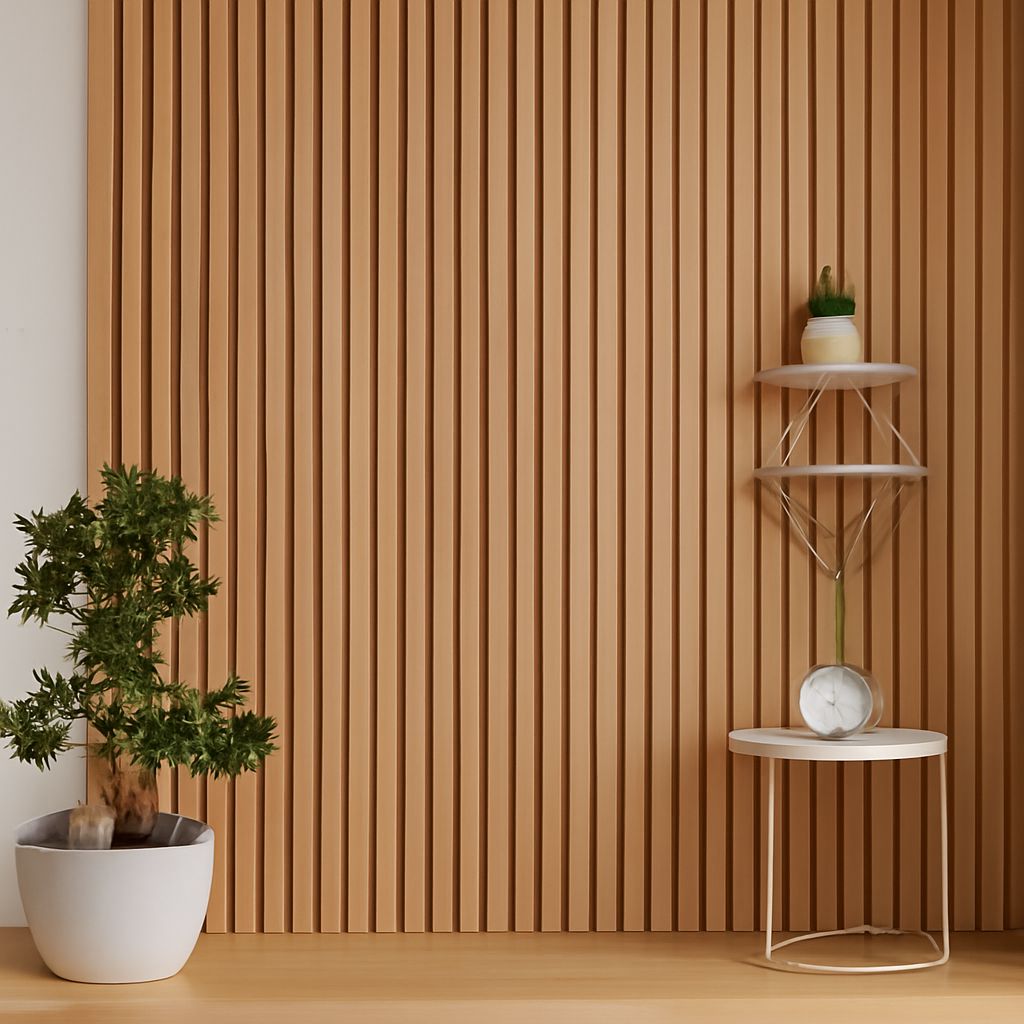
Shiplap has become one of the most popular non-drywall wall options for living spaces. The overlapping boards create a shadow line that adds depth and character, and installation is straightforward — boards nail directly to studs with no taping or mudding required. Tongue-and-groove pine or cedar gives a similar effect with a tighter, seamless look. Both options double as design features, reducing or eliminating the need for paint or additional wall treatments.
Concrete board and fiber cement
Cement board is the right call anywhere moisture is a constant concern — showers, laundry rooms, and below-grade walls where vapor can migrate through foundation walls. It will not swell, rot, or grow mold the way paper-faced drywall can. Fiber cement panels are a heavier, more rigid option that resists impact and can be finished with tile, thin stone veneer, or direct paint.
Cheap Drywall Alternatives That Still Look Great
Budget-focused projects have solid options. Beadboard paneling runs $0.50 to $2.00 per square foot for the basic PVC version, far less than traditional drywall once you factor in labor for taping and finishing. PVC beadboard is especially practical in bathrooms and laundry rooms because it wipes clean and never needs repainting.
Reclaimed wood planks are another economical choice when you have access to salvaged lumber. The weathered texture adds instant character, and cost can approach zero if you source from a demolition project or salvage yard. Fabric wall panels stretched over wood frames create a professional look for home offices and bedrooms at low material cost while offering acoustic benefits that no hard-surface alternative can match.
When Traditional Drywall Makes More Sense
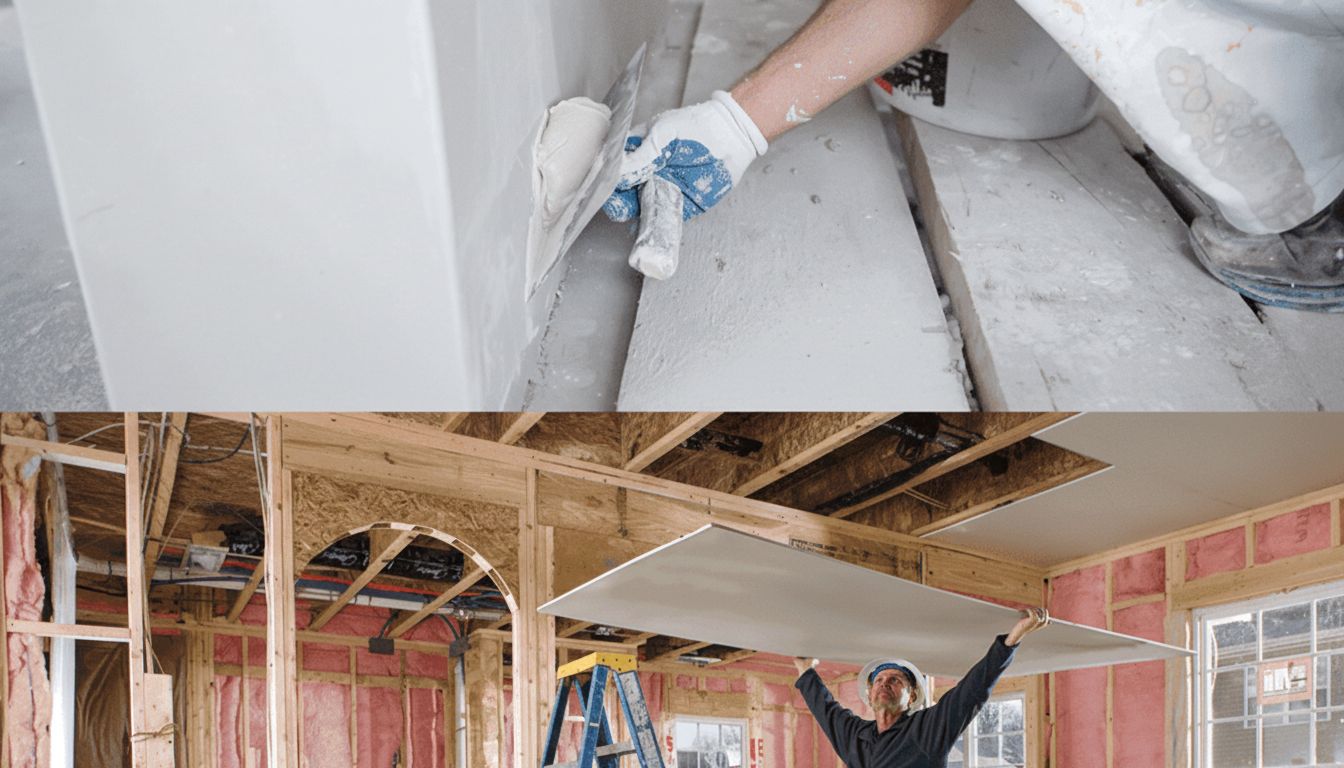
Despite the appeal of alternatives, standard gypsum drywall remains the most cost-effective choice in many situations. If you need a smooth, paint-ready surface throughout a large living space, drywall is still hard to beat on pure economics — materials are inexpensive, finishing labor is fast for experienced crews, and the result is a neutral canvas that suits any decor.
Fire ratings are another consideration. Type X drywall is required in attached garages and near mechanical rooms by most building codes. Few alternatives match its fire-resistance rating without additional engineering. When code compliance is essential, consult a licensed contractor before choosing a non-standard wall system.
Bottom line: The best wall material is the one that fits your moisture conditions, budget, and aesthetic goals. For wet areas, go cement board or PVC. For character and warmth, shiplap or reclaimed wood delivers. For a tight budget in dry spaces, plywood or beadboard gets you to the finish line affordably.