Insulation Rolls: Types, R-Values, and DIY Installation Guide
Insulation rolls are one of the most practical materials you can buy for improving a home’s energy performance. They’re available at every home improvement store, cut to fit with a utility knife, and install without special equipment in most applications. Whether you’re insulating a new wall, re-insulating an attic, or improving a crawl space, the right roll of insulation makes the project straightforward. This guide covers what’s available, how to read an R-value label, where rolls of insulation work best, and how to install them without making common mistakes.
You’ll find products at several price and performance levels. Fiberglass insulation rolls dominate the market for good reasons, but there are situations where fiberglass roll insulation isn’t the best fit. Read through before you buy.
Types of Insulation Rolls Available
Fiberglass Insulation Rolls: The Standard Choice
Fiberglass batting has been the go-to option for residential insulation since the 1950s. It’s made from fine glass fibers, comes faced (with kraft paper or foil) or unfaced, and is available in widths designed to fit standard 16-inch and 24-inch stud and joist spacing without cutting. A standard roll of fiberglass insulation typically covers 40-75 square feet, depending on thickness.
Faced fiberglass rolls are used when the facing acts as a vapor retarder — typically on exterior walls in cold climates. Unfaced rolls go in interior walls, attics (when laid over existing insulation), and spaces where building code doesn’t require a vapor barrier. Check your local code before choosing.
Mineral Wool vs. Fiberglass Roll Insulation
Mineral wool (also called rock wool or slag wool) rolls cost about 15-30% more than comparable fiberglass roll insulation, but they offer some meaningful differences:
- Fire resistance: Mineral wool is non-combustible. It won’t melt or drip even at temperatures that would burn through fiberglass facing.
- Acoustic performance: Denser mineral wool batts do a better job absorbing sound between rooms.
- Moisture handling: Mineral wool doesn’t hold water the way wet fiberglass does. It dries faster and resists mold better in damp applications.
For standard exterior wall insulation in a dry climate, fiberglass is perfectly capable and significantly cheaper. For an interior party wall where sound control matters, or for a garage wall adjacent to a living space with fire concerns, mineral wool earns the price premium.
Understanding R-Values for Rolls of Insulation
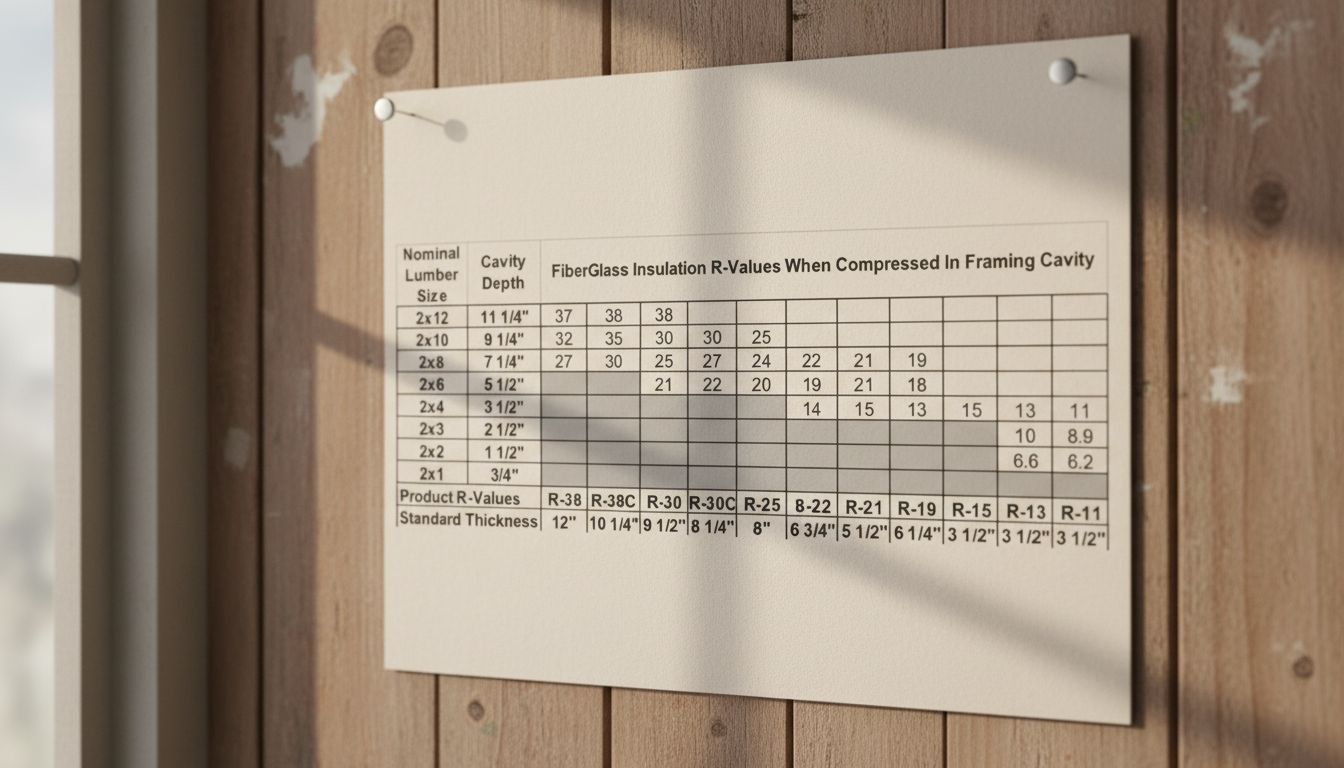
R-value measures thermal resistance — how much the material resists heat flow. Higher numbers mean better insulation performance. The label on every roll of insulation shows the total R-value for that specific thickness.
Common rolls of insulation R-values by application:
- 2×4 wall cavity (3.5″): R-13 or R-15
- 2×6 wall cavity (5.5″): R-19 or R-21
- Attic floor between joists: R-30 to R-60 depending on climate zone
- Crawl space walls or floor: R-13 to R-19
The Department of Energy publishes recommended R-values by ZIP code climate zone. Look those up before buying — over-insulating a mild-climate home wastes money, and under-insulating a cold-climate home costs you on heating bills every winter.
Where to Use a Roll of Insulation in Your Home
A roll of insulation works well in any cavity that gives you access from one side. The most common uses:
- Exterior walls: Between studs before drywall goes up, or in open walls during a remodel
- Attic floor: Between ceiling joists, run perpendicular to the joists for a second layer
- Garage ceilings and walls: Conditioned space next to an attached garage benefits from insulating the shared wall
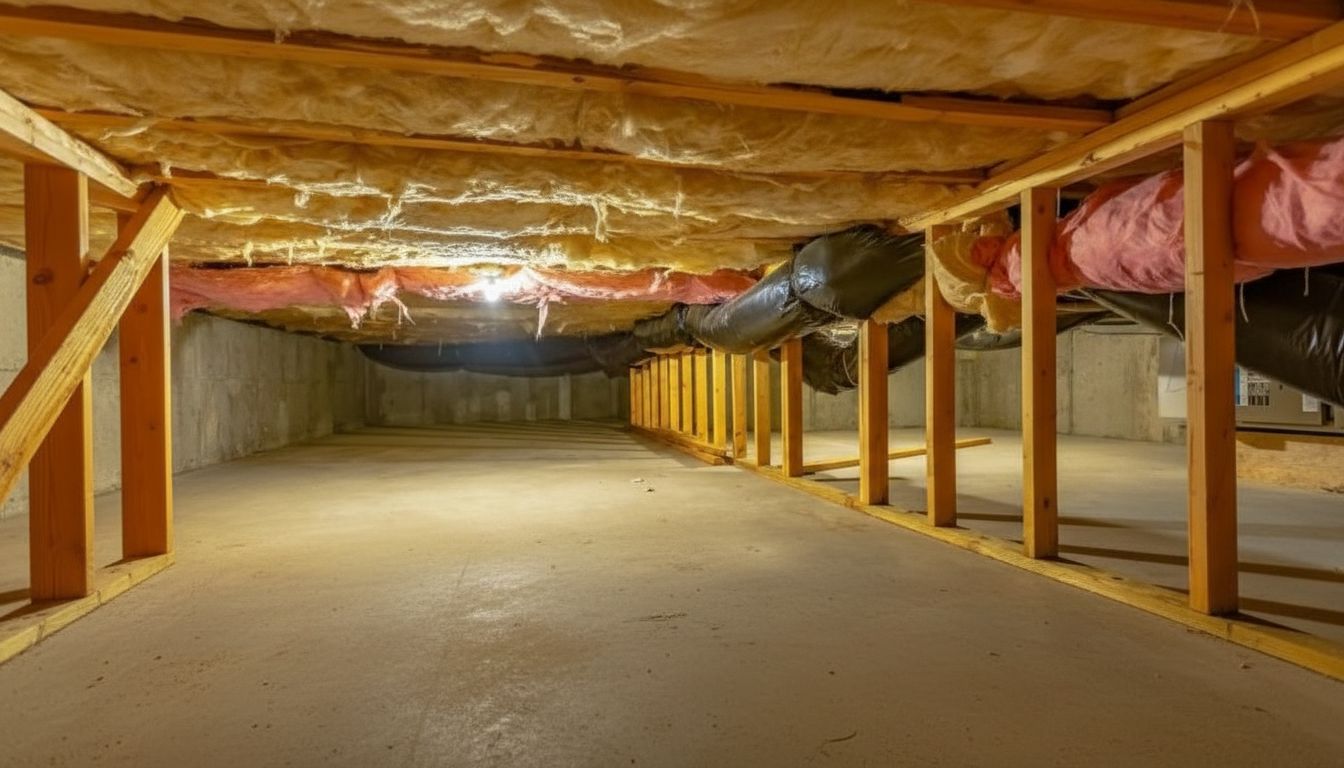
- Crawl space: Between floor joists above a vented crawl space, facing down toward the crawl space
- Basement rim joists: Cut pieces of insulation rolls to fit between foundation sill and first-floor framing
Rolls of insulation don’t work well in flat roofs with no attic access, existing closed walls, or any space too narrow for the standard widths. For those situations, spray foam or blown-in cellulose are the right tools.
How to Install Insulation Rolls Safely
Fiberglass insulation roll installation requires basic protective gear: long sleeves, gloves, safety glasses, and an N95 dust mask. Fiberglass fibers are irritants — work in a ventilated area and don’t touch your face.
For wall cavities, measure the cavity height and cut the batt 1 inch longer than the opening. This compression fit holds the batt in place without stapling. Faced batts staple the flanges to the stud faces or into the stud edges (inset stapling). Do not leave gaps or voids — an inch of missing insulation in a wall cavity creates a thermal bypass that degrades the whole system’s performance.
For attics, lay batts perpendicular to the joists for the second layer. Don’t compress fiberglass insulation rolls under a second layer — that defeats the purpose. Let each layer sit at full loft.
Next steps: Measure your stud spacing and cavity depth before buying, then match the product label to your climate zone’s recommended R-value. If you find moisture staining, existing mold, or structural damage when you open a wall, stop and consult a contractor before adding any insulation over a problem area.