Insulation Services: Finding the Right Installers for Your Home
Getting insulation services right the first time saves you money on energy bills for years. The difference between a well-insulated home and a poorly done job isn’t just comfort — it’s hundreds of dollars annually in heating and cooling waste. This guide walks through what insulation installers actually do, how to evaluate home insulation companies, what residential insulation contractors charge, and how to vet home insulation installers before you sign anything.
Whether you’re insulating a new build or upgrading an older home, the process of finding qualified help follows the same basic steps. Read through before you call anyone.
What Insulation Services Include
Types of Work Covered
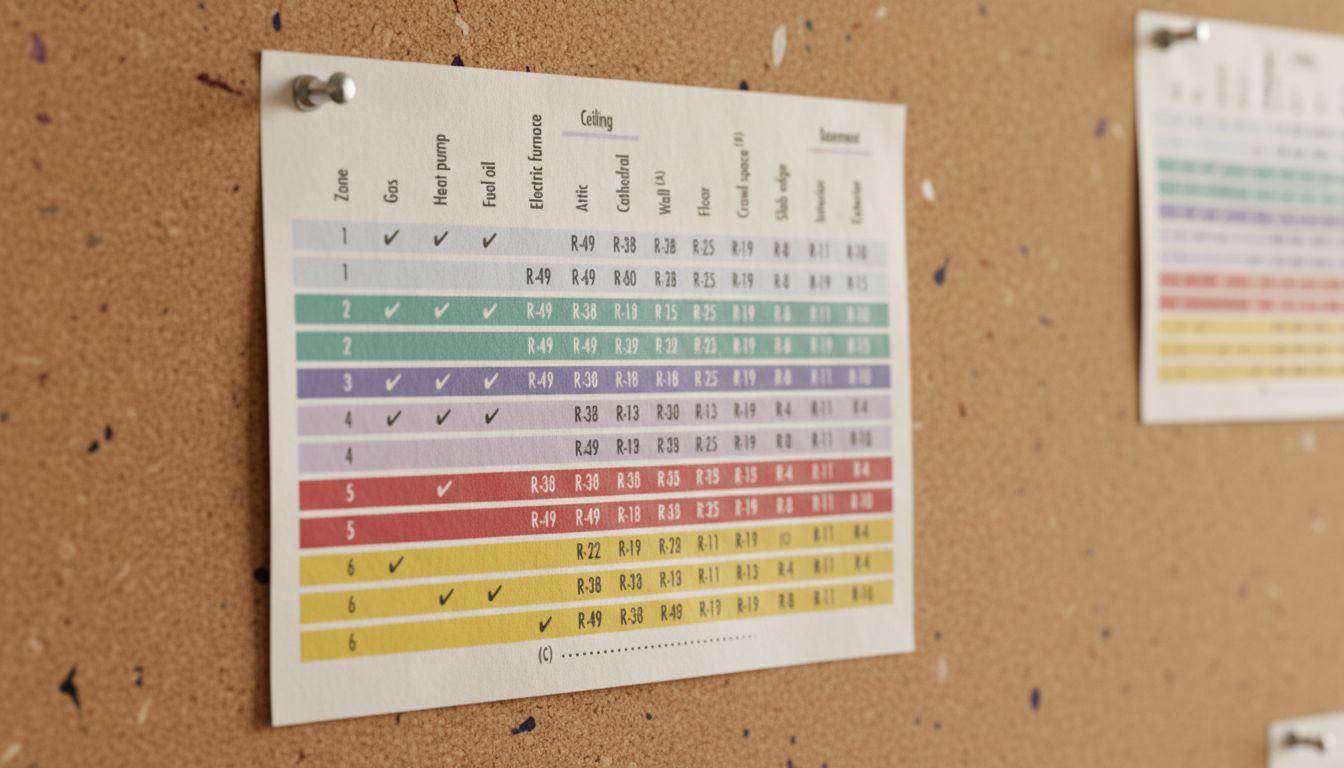
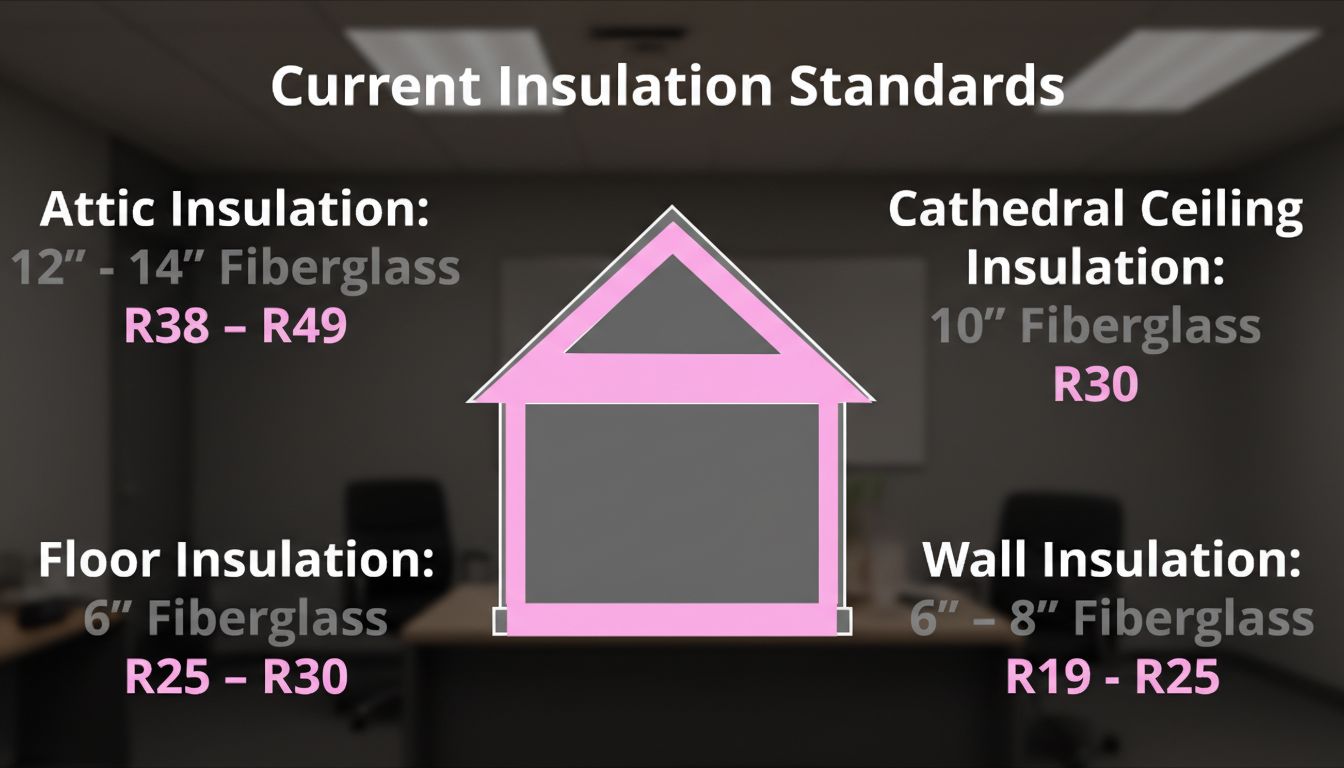
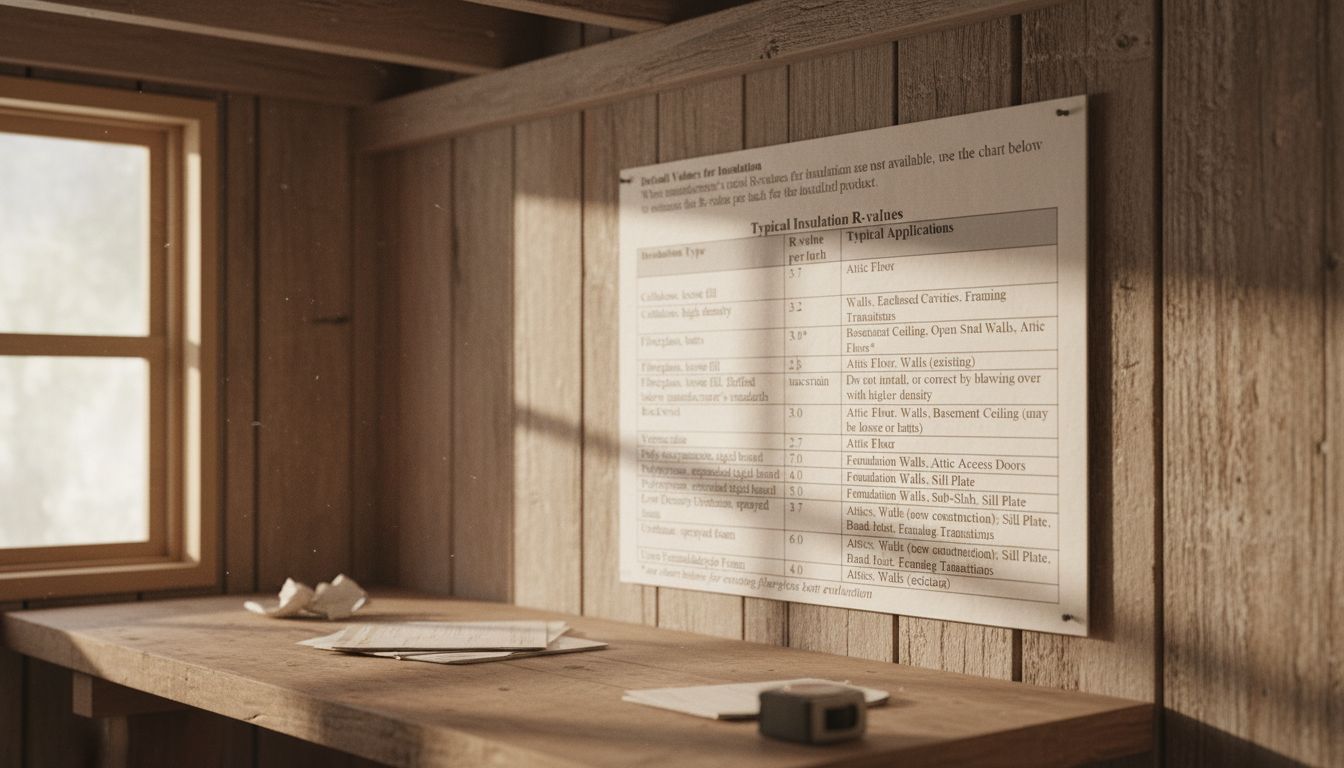
Professional insulation services cover a range of work beyond simply stuffing batts into wall cavities. A full-service job typically includes: an energy audit or assessment to identify where heat loss is occurring, material selection matched to your climate zone and code requirements, installation of attic, wall, floor, and crawl space insulation, and air sealing at penetrations, rim joists, and top plates.
Air sealing is where many homeowners get shortchanged. Installing rolled insulation without addressing air leaks around electrical boxes, plumbing penetrations, and attic hatches leaves gaps that undercut the R-value of even excellent material. Insulating a home properly means addressing both heat conduction (R-value) and convective air movement (air sealing) together.
When to Call Insulation Installers vs. DIY
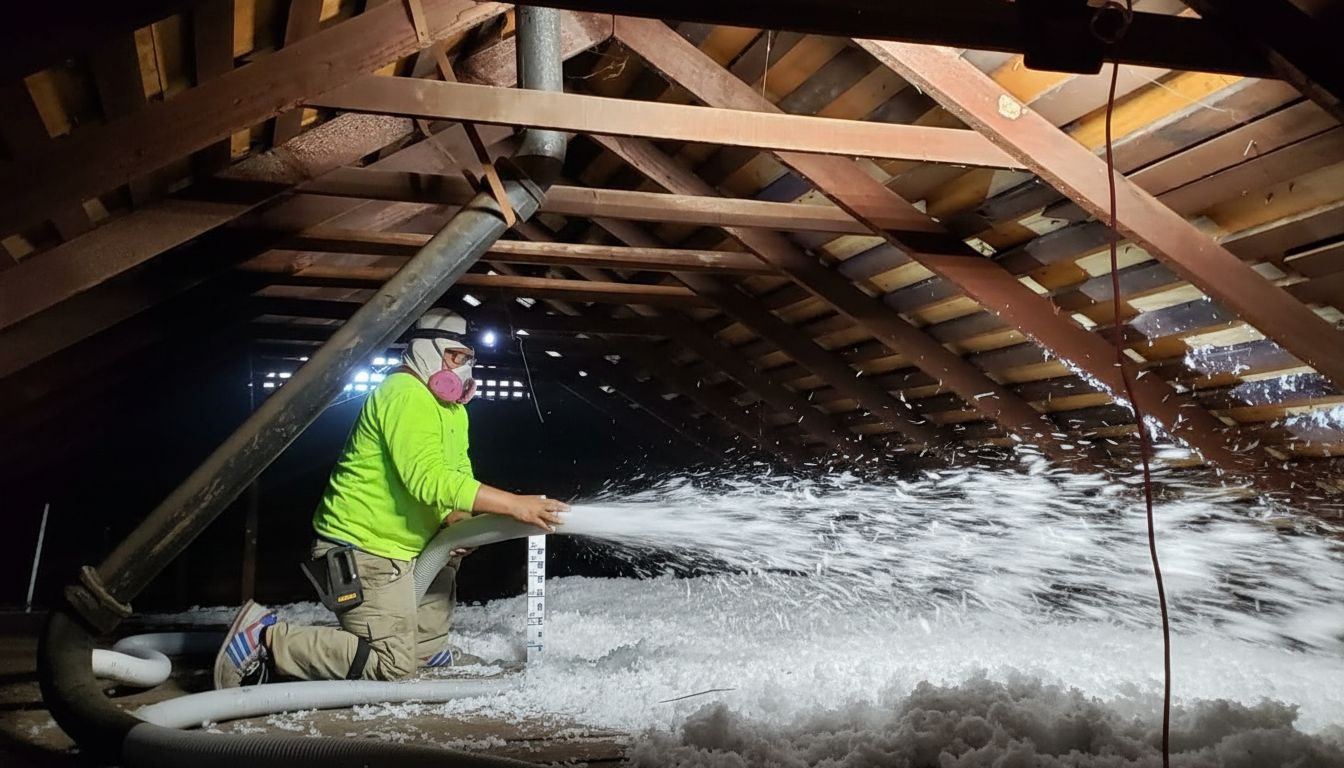
Attic batt insulation is one of the more accessible DIY projects — access is usually good and the work is straightforward. But blowing in loose-fill cellulose or fiberglass, spray foam application, and any work inside closed wall cavities requires professional insulation installers with the right equipment. Spray foam in particular requires respirators, proper mixing ratios, and experience controlling thickness — improper installation creates both performance and IAQ problems.
How to Find Qualified Home Insulation Companies
What to Look For
Not all home insulation companies are equal. Look for these indicators of a serious operation:
- BPI or RESNET certification: Building Performance Institute or RESNET-certified contractors have passed formal training in building science, not just installation mechanics.
- State contractor license: Required in most states for insulation work above a certain dollar threshold. Verify through your state licensing board.
- General liability and workers’ comp insurance: Both are non-negotiable. Ask for certificates before work starts.
- References from similar projects: Ask for homeowners whose projects match yours in scope — attic reinsulation, wall insulation during a remodel, or new construction.
Home insulation companies that use subcontractor crews for all installs aren’t necessarily a problem, but ask whether the crew is trained by the company or hired day-labor. Quality control varies significantly between those models.
Getting Bids from Residential Insulation Contractors
Get at least three bids from residential insulation contractors and make sure every bid covers the same scope: square footage, R-value, material type (batt, blown, spray foam), and whether air sealing is included. A bid that omits air sealing looks cheaper but delivers worse results.
Ask each contractor to show you where they’ll seal before insulating. If they can’t answer that question clearly, they’re probably skipping it.
Working with Home Insulation Installers
Once you’ve selected home insulation installers, get the scope in writing with specific R-values, material brands, and square footage. State clearly whether attic ventilation baffles are included (they should be for vented attics), whether any existing damaged insulation gets removed, and what the cleanup process looks like.
During the work, ask the crew to show you the pre-insulation air sealing — foam or caulk at top plates, around penetrations, at recessed light fixtures (if fire-rated boxes are installed). This step is invisible after insulation goes in, so verify it while you can.
After installation, request a blower door test if your budget allows. It’s $200-$400 from a certified energy auditor and tells you exactly how airtight your envelope is now compared to before. That data either confirms the job was done right or gives you leverage if something was missed.
Cost of Insulation Services
Costs vary by material and application method:
- Attic blown-in fiberglass or cellulose: $1.50-$3.00 per square foot
- Batt insulation (walls, floors): $1.00-$2.50 per square foot installed
- Open-cell spray foam: $1.00-$2.00 per board foot
- Closed-cell spray foam: $2.00-$4.00 per board foot
Utility rebates often offset 10-30% of insulation costs. Check your utility company’s website before getting bids — many programs require a pre-job energy audit from an approved auditor, and skipping that step means leaving rebate money on the table.
Bottom line: Quality insulation services start with a certified contractor who treats air sealing as part of the job, not an add-on. Get three bids, compare scopes rather than just prices, and verify the air sealing work before it gets covered up.