Fake Log Cabin Siding: Faux Options That Look Like the Real Thing
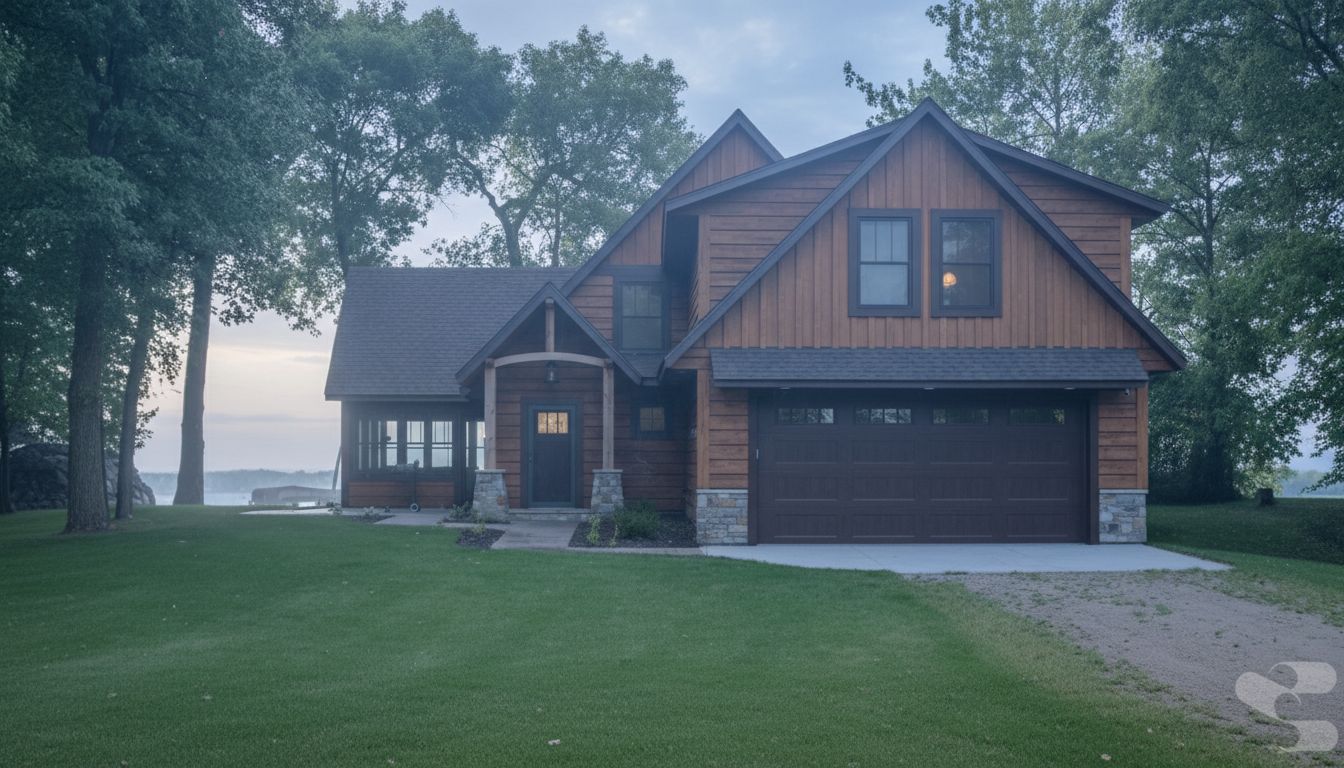
Fake log cabin siding has gotten dramatically better over the past decade. Modern faux log siding products replicate the profile, texture, and shadow line of real timber at a fraction of the maintenance cost. If you want siding that looks like logs without the sealing schedule and settling concerns of actual wood, faux log cabin siding is worth a serious look. This guide covers the main material options, what simulated log cabin siding costs installed, how to evaluate products before buying, and what to expect at installation.
Whether you’re building a new home, updating a garage, or refreshing a cabin exterior, you’ll find faux options in vinyl, fiber cement, and engineered wood that cover a wide range of budgets and durability requirements.
Types of Fake Log Cabin Siding
Faux log siding falls into three main material categories, each with a different performance profile:
Vinyl faux log cabin siding is the most affordable option. It’s lightweight, installs fast, and never needs painting. The visual limitation is that vinyl profiles have less depth and texture variation than real wood — up close, the material often reads as synthetic. For outbuildings, garages, and utility structures where the budget is the priority, vinyl simulated log cabin siding makes practical sense.
Fiber cement fake log cabin siding looks significantly more convincing. Products like James Hardie’s log-profile boards use a textured surface that mimics real grain, hold paint for 15+ years, and are rated Class A fire resistant. They’re heavier than vinyl and require painting, but they hold up in wet climates, resist insects, and won’t rot. This is siding that looks like logs from 30 feet and holds up under closer inspection.
Engineered wood faux log siding (LP SmartSide, Roseburg) uses wood fiber bonded with resin and formed into log profiles. It accepts stain and paint, looks and feels closer to real wood than fiber cement or vinyl, and costs less than genuine timber. Engineered wood is susceptible to moisture if the factory finish is damaged, so proper installation with caulked butt joints and sealed cut ends matters more than with fiber cement.
Comparing Simulated Log Cabin Siding by Cost
Installed cost per square foot for faux log cabin siding products:
- Vinyl faux log siding: $3-$6 installed
- Engineered wood fake log cabin siding: $5-$9 installed
- Fiber cement siding that looks like logs: $8-$14 installed
Labor is similar across all three material types — the install sequence is nearly identical. The price difference comes from material cost. Fiber cement is heavier, which adds a small labor premium for two-person lifting on longer boards, but it’s not a significant factor on most residential projects.
Installation Basics for Faux Log Siding
All types of simulated log cabin siding install over a weather-resistant barrier (housewrap or felt paper) on the wall sheathing. The sequence:
- Install housewrap and tape all seams and penetrations
- Set a level chalk line for the starter course
- Nail through the top flange of each panel into studs at 16 inches on center
- Stack each course to overlap and interlock with the course below
- Install corner trim (either specialty pre-formed corners or mitered butt joints)
- Caulk all butt joints, corners, and penetrations with flexible paintable sealant
The corner detail is where most DIYers struggle with fake log cabin siding. The rounded profile of a log-style panel doesn’t miter cleanly like flat lap siding. Pre-formed corner pieces are the most reliable option — most major manufacturers offer matching corners for their log profile products. If corners are cut on site, a coping cut (following the profile contour) creates a tighter joint than a simple 45-degree miter.
For fiber cement faux log cabin siding, always prime and paint all cut ends before installation. Unprimed fiber cement cut ends absorb moisture and can deteriorate over time. Engineered wood products also need sealed ends — follow the manufacturer’s instructions for the specific product.
Maintenance Comparison: Faux vs. Real Log Siding
This is where fake log cabin siding wins clearly:
- Vinyl simulated log cabin siding: Wash once a year. No painting, no staining, no sealing.
- Fiber cement siding that looks like logs: Repaint every 10-15 years, touch up chips, re-caulk joints as needed.
- Engineered wood faux log siding: Repaint or restain every 5-10 years, inspect and re-caulk annually.
- Real log siding: Re-stain every 2-5 years, re-chink joints, treat for insects, probe for rot annually.
Pro tips recap: For the most convincing look with minimal maintenance, fiber cement faux log cabin siding is the top choice. For the lowest upfront cost, vinyl simulated log siding works on outbuildings and auxiliary structures. Whatever material you choose, invest in proper corner pieces and caulk every joint — that’s where weather infiltration starts on any log-profile product.