Drywall vs Plaster: Key Differences and Which to Choose
The drywall vs plaster debate comes up in renovation projects constantly — especially in older homes where original plaster walls are intact but showing wear. Understanding the difference between drywall and plaster changes how you approach repairs, remodels, and new construction. Whether you’re comparing plasterboard vs drywall for a new build, trying to decide between drywall and plaster for a patch job, or asking whether drywall or plaster is better for your specific situation, this guide gives you the honest breakdown.
Both materials have real advantages. The right choice depends on your budget, timeline, skill level, and what the walls will need to handle long-term.
What Makes Drywall and Plaster Different
How Each System Is Built
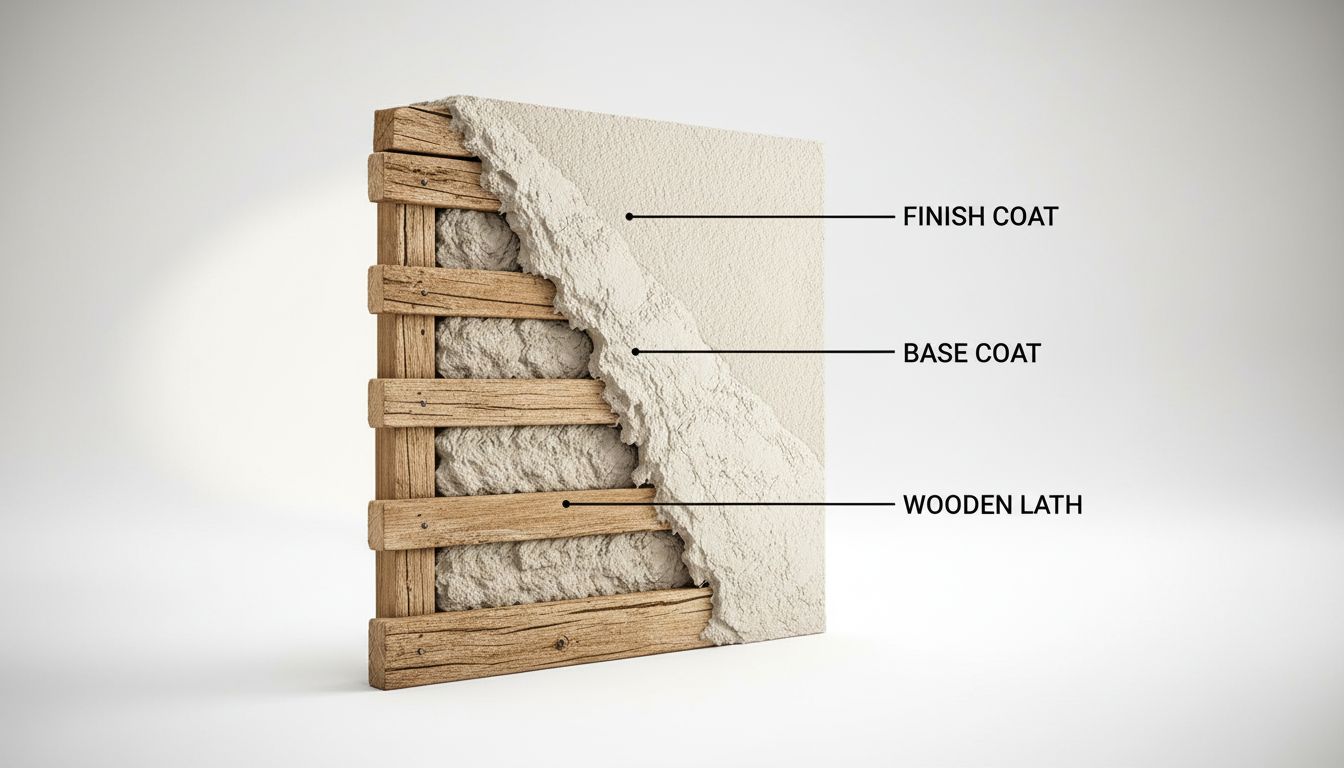
Traditional plaster is a multi-coat system applied wet to metal lath or wood lath. A scratch coat bonds to the lath, a brown coat builds thickness and flatness, and a finish coat creates the final surface. Curing takes days between coats. The finished wall is dense, hard, and typically 7/8 to 1 inch thick.
Drywall and plaster differ fundamentally in how the wall gets built. Drywall (also called wallboard or gypsum board) is a manufactured panel with a gypsum core and paper facing, fastened mechanically to studs and finished with joint compound at seams and corners. A standard installation can be taped and ready for paint within a week. Plasterboard vs drywall on speed alone: drywall wins by a wide margin.
Strength and Sound Differences
The drywall or plaster decision for older home renovations often comes down to the wall properties. Plaster walls are significantly harder and denser than standard 1/2-inch drywall — they resist impact better, have higher STC (sound transmission class) ratings, and feel solid when you knock on them. Old plaster on wood lath can reach 7/8 inch thick, which dramatically outperforms standard drywall for both sound and impact resistance.
The difference between drywall and plaster in acoustic performance can be addressed by specifying thicker drywall (5/8-inch Type X) or double-layering with acoustic compound between layers, but matching old plaster exactly is difficult without specialized products.
Drywall vs Plaster for Repairs
Patching Existing Plaster
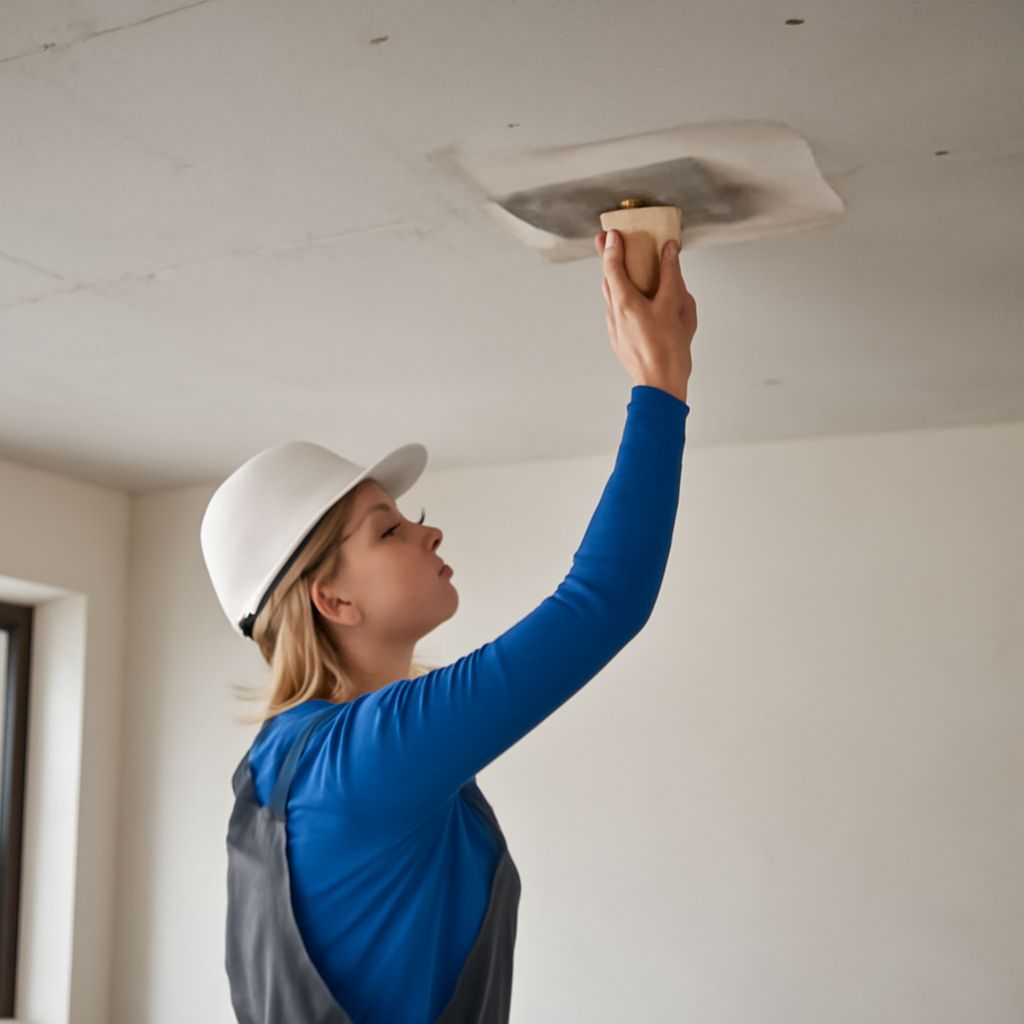
If you have existing plaster walls and need to patch them, the goal is matching the existing surface — not replacing the entire system. Small cracks in plaster respond well to flexible painter’s caulk for hairline cracks or durabond-type setting compound for larger gaps. Areas where plaster has delaminated from the lath need either reattachment with plaster washers and screws or full removal and drywall patching.
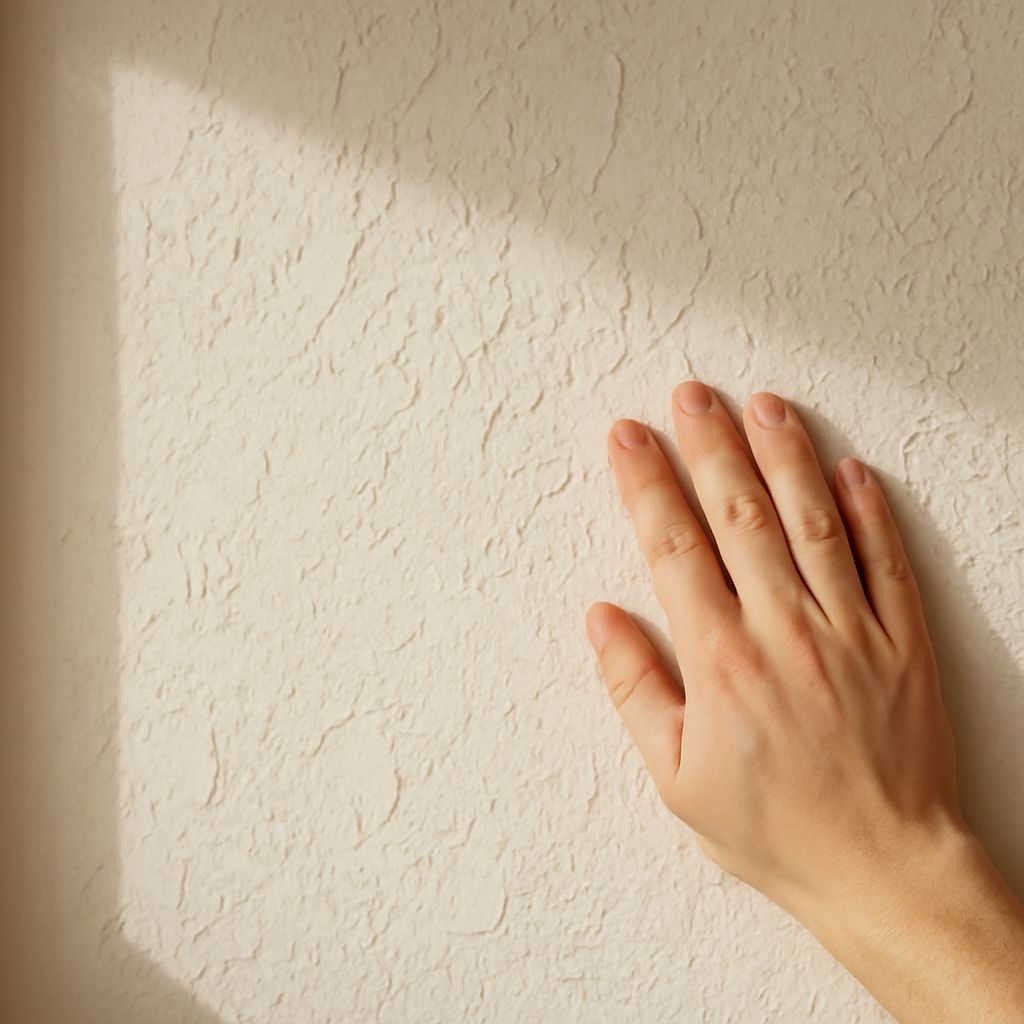
Matching plaster texture after a patch is the hard part. Original plaster has a skim finish that’s different from drywall joint compound texture. If you need an invisible repair on a visible plaster wall, consult a professional plasterer — this is the situation where DIY patching with standard drywall compound often looks worse than the original damage.
When to Switch from Plaster to Drywall
There are situations where the drywall and plaster comparison resolves clearly in favor of replacing plaster with drywall:
- More than 30% of a wall’s plaster has delaminated or failed
- The wood lath behind the plaster is damaged by moisture or insects
- You need to open the wall for mechanical, electrical, or plumbing work anyway
- You’re adding insulation to the wall cavity
In these situations, the cost of replastering versus drywalling the same surface almost always favors drywall — plasterers with the skill to do multi-coat work are scarce and expensive in most markets.
Plasterboard vs Drywall: New Construction
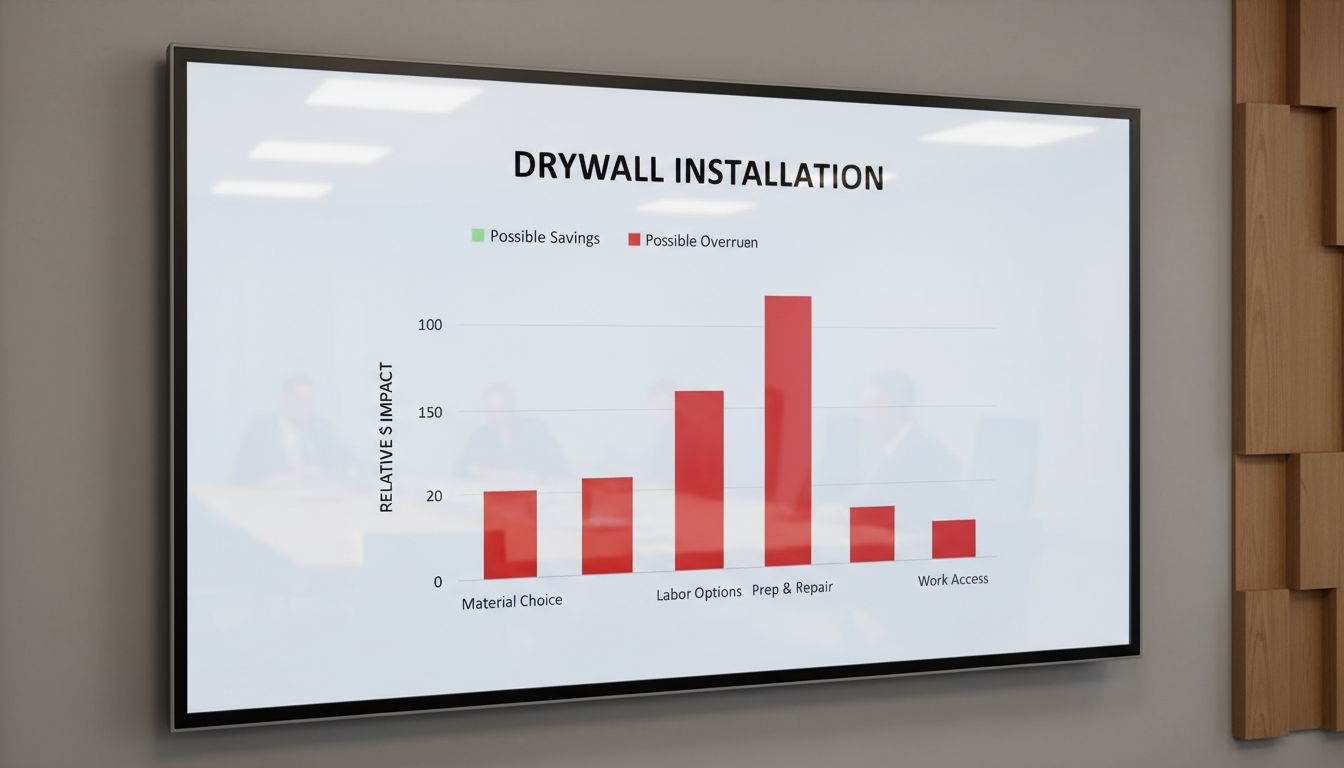
For new construction or a complete gut renovation, the drywall or plaster question has a clear practical answer in most markets: drywall. The plasterboard vs drywall cost difference is significant — plaster application by skilled tradespeople costs 3-5 times more than drywalling the same space. Lead times are longer, skilled plasterers are harder to find, and the drying time extends the overall project schedule.
Where plaster still wins in new construction: historic preservation projects where the character of plaster walls matters, high-end residential work where the client wants the density and feel of traditional plaster, and projects requiring Venetian plaster finishes that are applied over a drywall substrate anyway.
For most residential projects, 5/8-inch drywall with a Level 5 finish — a skim coat over the entire surface — comes very close to plaster’s visual smoothness at a fraction of the cost.
Next steps: If you’re repairing existing plaster, assess the percentage of wall that’s failed before deciding between spot patching and full replacement. For new walls, drywall is the practical choice in almost every situation. And if you need a plaster-quality finish on drywall, specify Level 5 — it’s achievable and looks excellent under both flat and gloss paint.