Circuit Breaker Keeps Tripping: Causes, Fixes, and When to Call a Pro
A circuit breaker keeps tripping for a reason, and that reason is almost always worth investigating before you reset it again. Whether you’re dealing with a breaker that cuts power under heavy load or a situation where why does my circuit breaker keep tripping has no obvious answer, the fix starts with understanding your electrical system. This guide covers what causes a circuit breaker to trip, how to troubleshoot the problem yourself, and when the issue is serious enough to call a licensed electrician.
You’ll learn how to identify overloads, short circuits, and ground faults. You’ll also find out what to do when your circuit breaker keeps tripping with nothing plugged in, which points to a deeper wiring or breaker problem. And if a circuit breaker keeps tripping without load, that’s a sign the breaker itself may be failing.
What Causes a Circuit Breaker to Trip
Overloaded Circuits
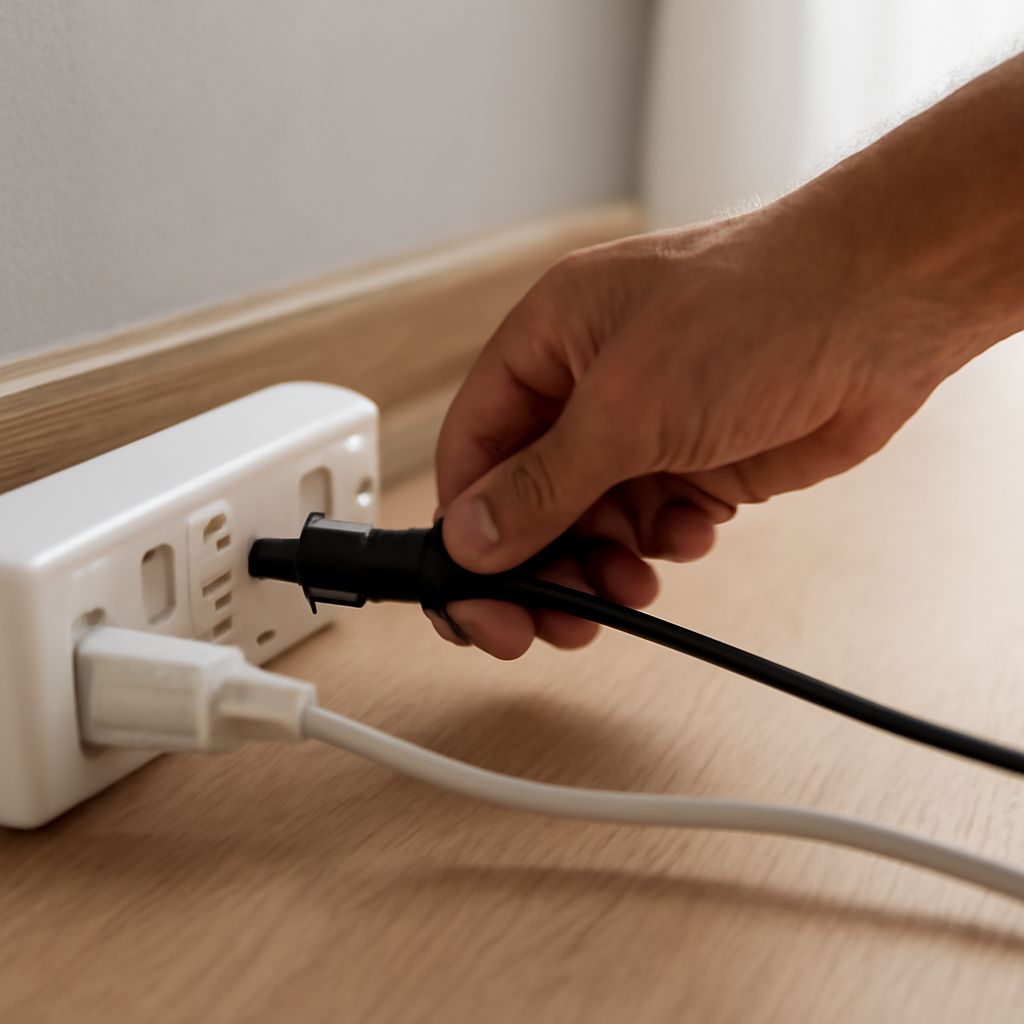
The most common reason a breaker trips is a circuit drawing more current than it’s rated for. Every circuit has a limit, measured in amps, and when devices collectively pull more power than that limit allows, the breaker cuts the flow. A 15-amp circuit running a space heater, microwave, and hair dryer simultaneously will trip every time. The fix is straightforward: redistribute the load by moving devices to other circuits or upgrading the circuit capacity with help from an electrician.
Watch for these overload signs: the breaker trips only when multiple devices run at once, the panel feels warm, or outlets dim when large appliances cycle on. Reducing the demand on a single circuit is the first thing to try when your breaker keeps cutting out.
Short Circuits
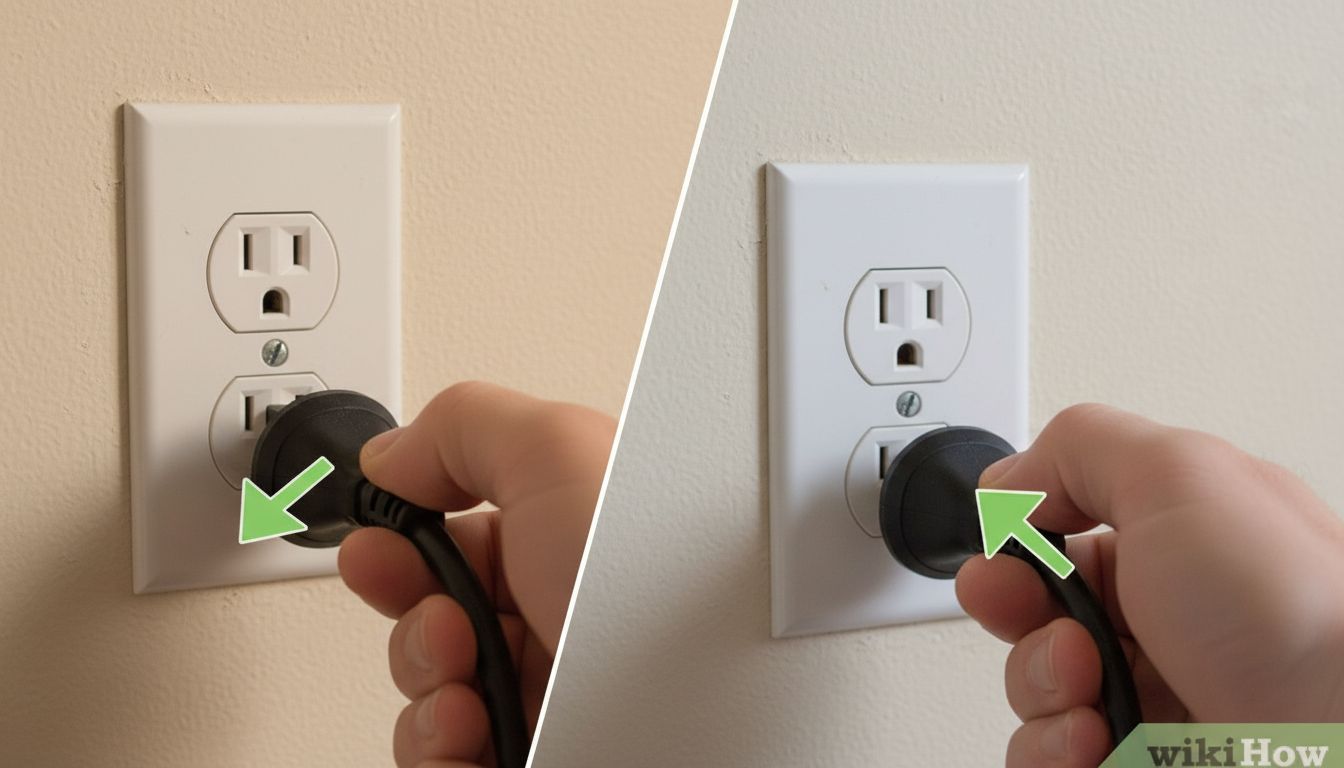
A short circuit happens when a hot wire touches a neutral wire, creating a low-resistance path that lets current spike far beyond safe levels. The breaker trips almost instantly. Signs include a burning smell near the outlet, scorch marks on outlets or plugs, or a loud pop when something fails. Plugging in a faulty appliance is a frequent trigger. Unplug everything on the circuit, then test each device one at a time to isolate the problem.
Ground Faults
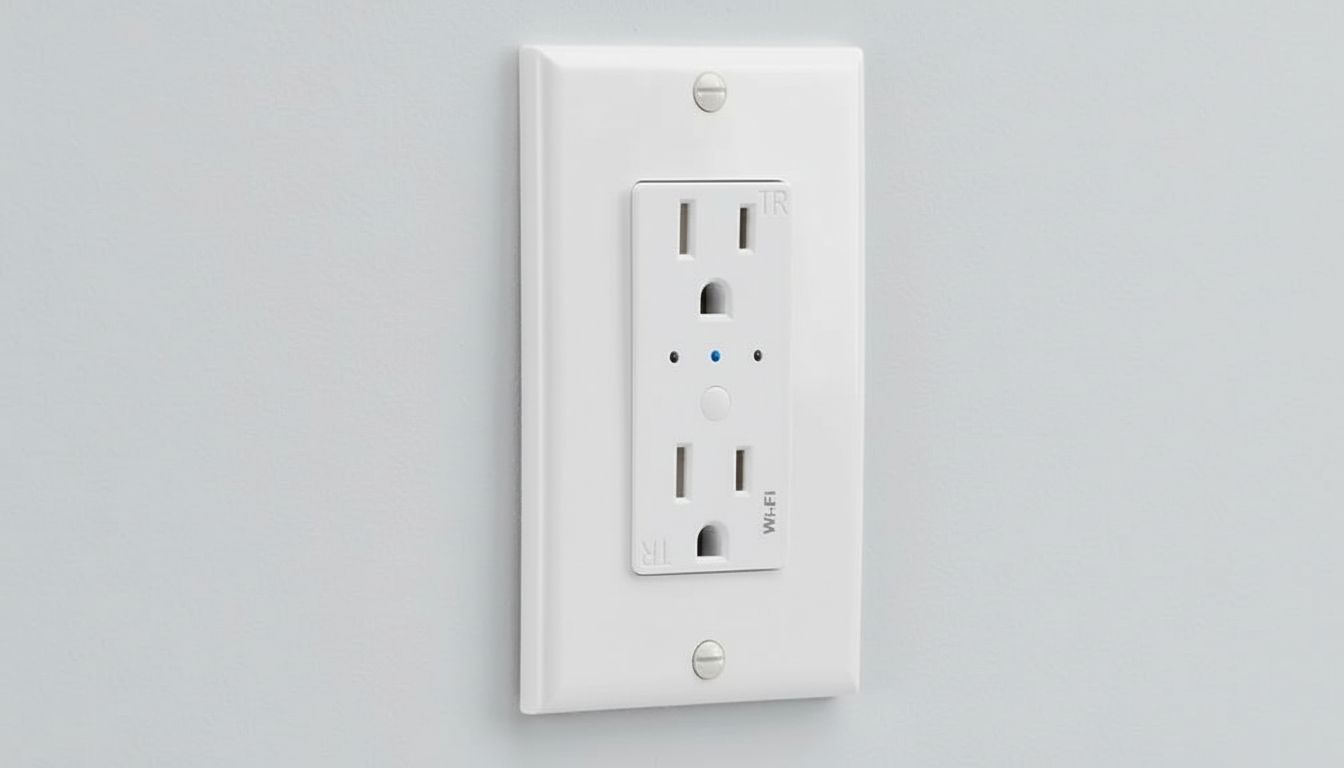
A ground fault occurs when a hot wire contacts a grounded surface, such as a metal box or a wet floor. Ground faults are especially dangerous in bathrooms, kitchens, and outdoor circuits where moisture is present. GFCI outlets and GFCI breakers protect against this by detecting even tiny current imbalances and tripping within milliseconds. If your breaker trips in a moisture-prone area, suspect a ground fault first.
Circuit Breaker Keeps Tripping with Nothing Plugged In
Wiring Faults Inside the Panel
When a breaker trips with nothing connected to the circuit, the problem lives inside the wiring or the panel itself. Loose connections, damaged wire insulation, and improper wire gauges all create conditions where current leaks or arcs, even without any load present. Arc faults, in particular, generate heat and can cause fires without triggering a standard breaker. An AFCI (arc-fault circuit interrupter) breaker is designed to catch this. If you don’t have one and your breaker keeps tripping unplugged, have a licensed electrician inspect the wiring before assuming it’s minor.
Breaker Age and Wear
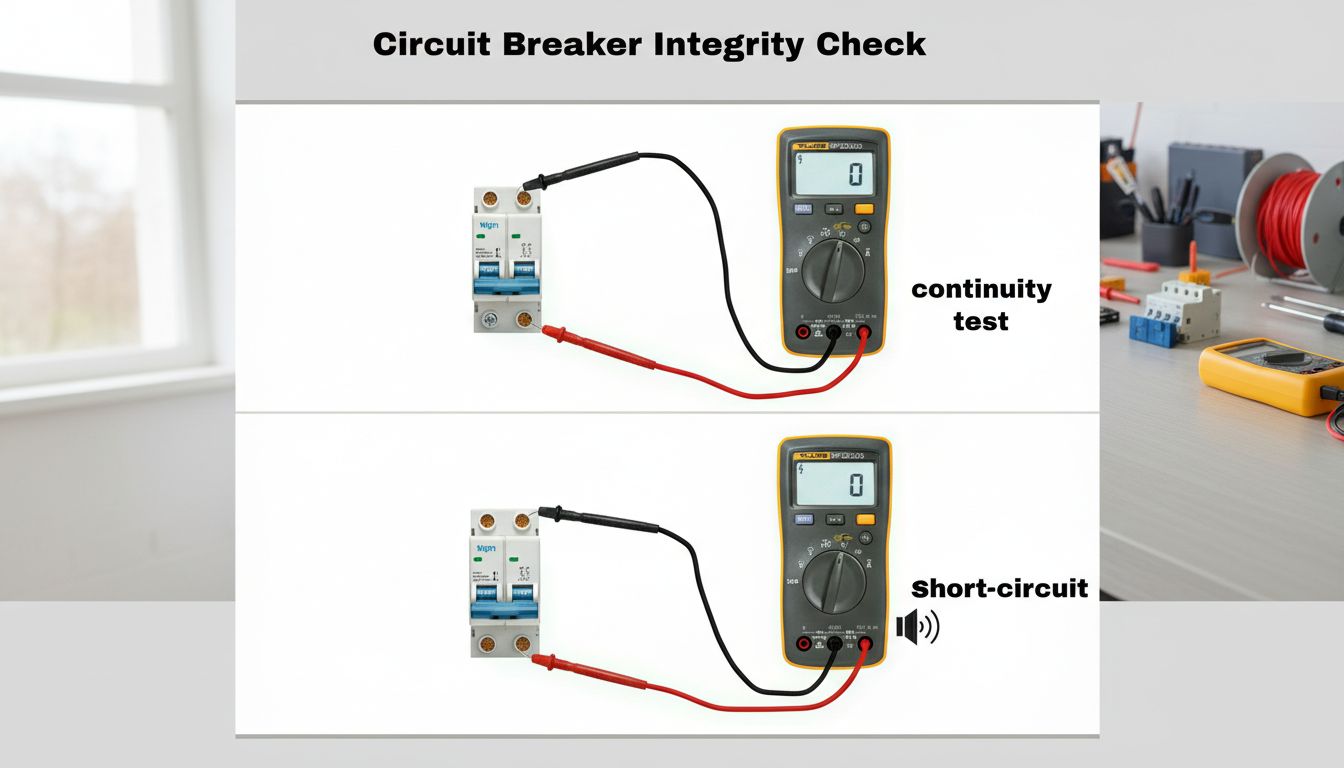
Breakers don’t last forever. Most residential breakers are rated for around 30 to 40 years, but repeated tripping, heat exposure, and moisture accelerate wear. An old breaker may trip at loads well below its rating, or fail to reset properly. If the breaker feels stiff, won’t stay reset, or the panel is from the 1970s or earlier, replacement is the right call. Older Federal Pacific and Zinsco panels are known to have reliability and safety issues; an electrician can evaluate whether yours needs upgrading.
How to Troubleshoot a Tripping Breaker
Step-by-Step Reset Process
Start by turning off or unplugging everything on the affected circuit. Go to your electrical panel, find the tripped breaker (it sits in the middle position or is slightly off-center), and push it fully to OFF before switching it back to ON. A breaker that won’t reset or immediately trips again has a persistent fault somewhere on the circuit. Don’t keep forcing it back; repeated manual resets on a faulty circuit create heat and risk.
Testing Individual Circuits
Once you reset the breaker, add devices back one at a time with a few minutes between each. The device that triggers the trip is your culprit. If no device triggers it but it still trips, the issue is in the wiring or breaker itself. Use a non-contact voltage tester to check outlets on the circuit for power, and look for any outlets that feel warm or show discoloration.
When to Call a Licensed Electrician
Call a licensed electrician any time you smell burning, see scorched wires or outlets, find a breaker that won’t stay reset, or discover a situation where the circuit breaker trips repeatedly without a load attached. Electrical panels are not DIY territory for most homeowners. An electrician can run a load test, identify arc faults, replace worn breakers, and evaluate whether your panel meets current code. The cost of a service call is far less than the cost of a house fire.
Next steps: Start with the simplest explanation first. Redistribute your electrical load, unplug suspect devices, and reset the breaker following the correct sequence. If the problem keeps coming back or you can’t find a clear cause, schedule an inspection. Keeping your panel in good shape means testing GFCI outlets monthly, avoiding overloading circuits with power strips, and having an electrician check your panel every 10 years.