New Construction Plumbing: How to Choose the Best Plumbing Company
New construction plumbing is not a job you want to hand off to whoever quotes lowest. The rough-in work done inside your walls and under your slab determines how the whole system performs for decades. Finding the best plumbing company for a build means looking beyond price and checking for licensing, experience with construction plumbing specifically, and a track record of passing inspections on the first try. This guide walks you through how to evaluate contractors and what to expect during each phase of the process.
You’ll also learn what separates certified plumbing contractors from general handymen, why best plumbing and heating experience matters for combined systems, and the specific questions to ask before signing any contract for construction plumbing work.
What New Construction Plumbing Actually Involves
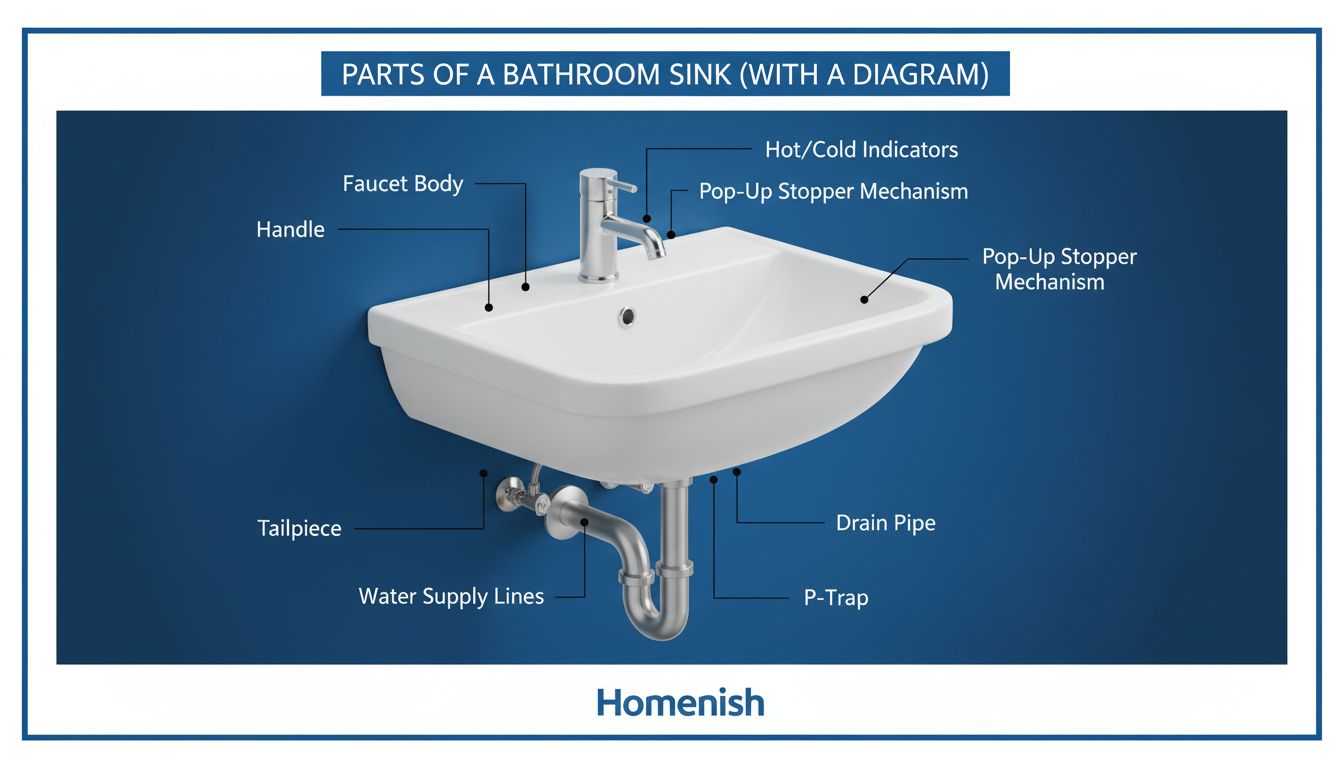
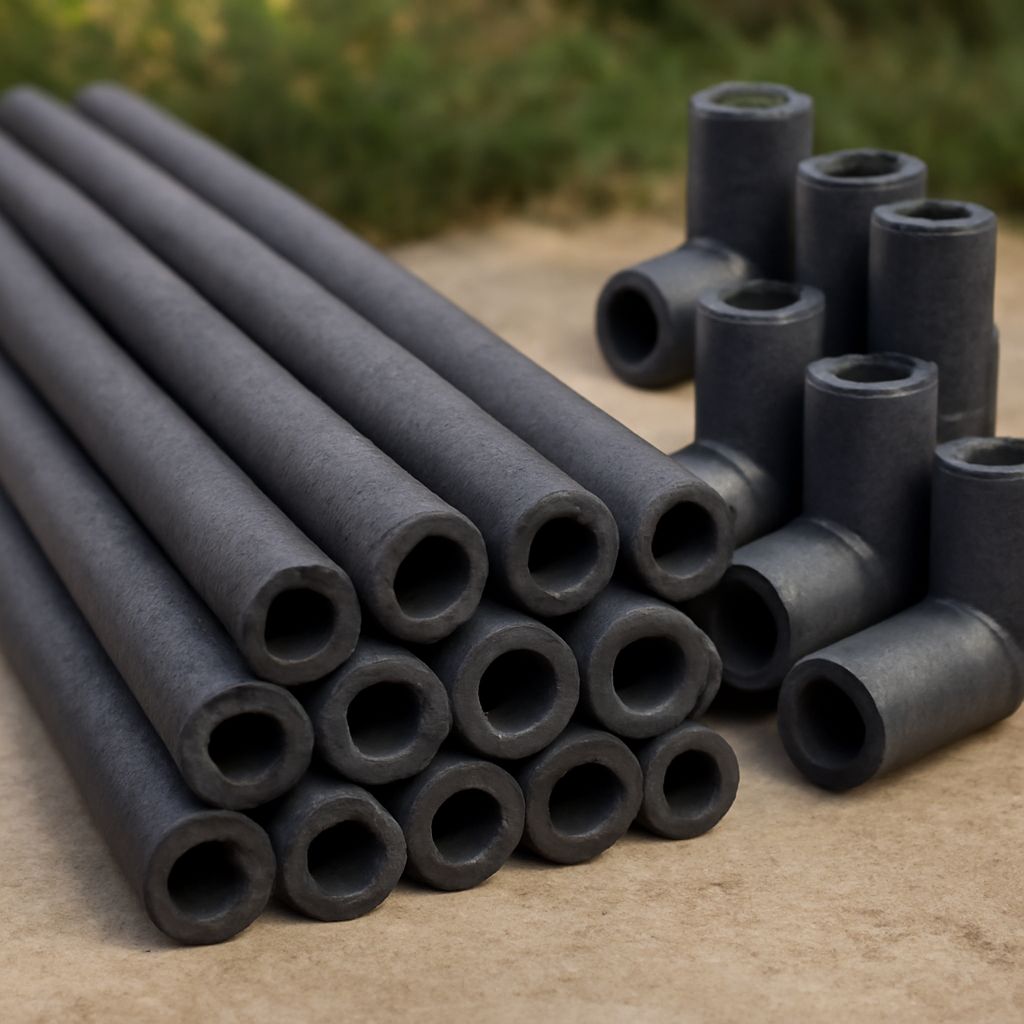
Plumbing for new builds happens in three distinct phases. The underground rough-in comes first, before the slab is poured. This is where drain lines, water supply lines, and any radiant heat tubing are positioned and pressure-tested. The above-slab rough-in follows once framing is up, covering supply lines, vent stacks, and drain connections through walls and floors. The final trim phase installs fixtures after drywall is complete.
Each phase requires inspections in most jurisdictions. A plumber experienced in new construction plumbing knows the local code requirements cold and schedules inspections at the right time to avoid delays. A residential service plumber who mainly handles repairs may not have the same depth of knowledge in rough-in coordination and code compliance for new builds.
How to Identify the Best Plumbing Company for Your Project
Start with licensing. Every state requires licensed plumbers for new construction work, and most require a separate contractor’s license for the company itself. Verified certified plumbing contractors carry both individual and business licenses. Check your state licensing board’s database to confirm current status before any other evaluation step.
Experience with construction plumbing specifically is next. Ask for a list of recent new-build projects similar in size and type to yours. A company that handles 50 custom homes per year has different systems and scheduling capabilities than one doing occasional new construction alongside service work. Request references from general contractors who have worked with the plumber repeatedly, since GCs see the work from the inside in ways homeowners don’t.
Insurance matters as much as licensing. The best plumbing company for your project carries general liability plus workers’ compensation. If a worker is injured on your job site and the plumber lacks workers’ comp, that liability may land on you.
Best Plumbing and Heating: When You Need Combined Systems
If your new home includes hydronic radiant heat, a boiler system, or in-floor heating, you need a contractor with genuine best plumbing and heating experience. These systems require coordinating water supply with heating loops, and mistakes create problems that are expensive and destructive to fix after the slab is poured or the walls are closed. Ask specifically whether the company has installed the type of combined system you’re specifying, and request project photos or references for that work.
Questions to Ask Before Signing a Contract
Run through these questions with any plumber you’re seriously considering:
- Are you licensed for new construction plumbing in this jurisdiction?
- Who will be on-site day to day, and what is their experience level?
- How do you handle inspection scheduling and any required re-inspections?
- What is your process if the project timeline shifts due to weather or other trades?
- Do you warranty your work, and for how long?
A contractor who answers these questions clearly and confidently is one who has done this many times. Vague answers about licensing or inspection processes are a warning sign.
Pro tips recap: Verify licensing before anything else. Hire a plumber with specific construction plumbing experience, not just service work. Get at least three bids, but evaluate on qualification and references, not price alone. If your project includes heating systems, confirm combined plumbing and heating experience explicitly. Keep copies of all inspections and permits for your records.