Metal Building Insulation: Options, R-Values, and Installation Guide
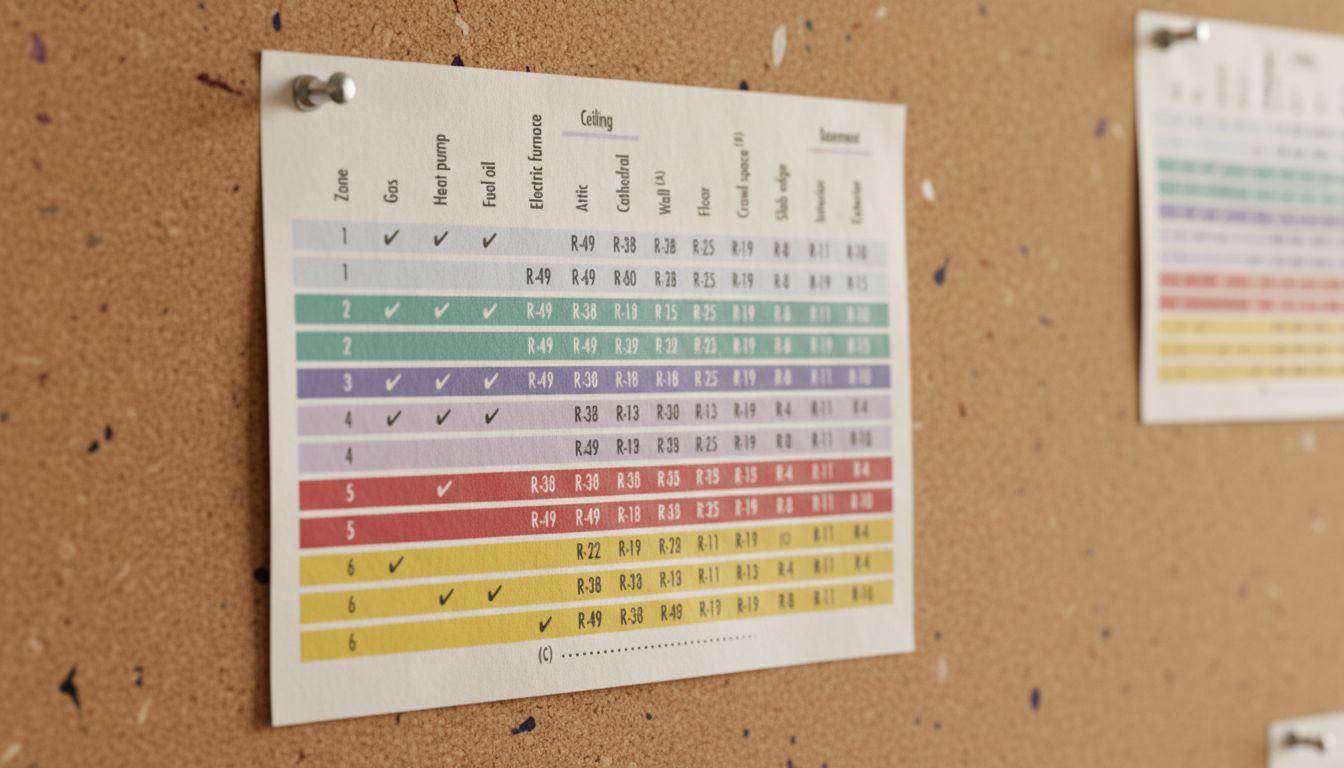
Metal building insulation works differently than insulation in wood-framed construction, and choosing the wrong product can leave you with condensation problems, energy loss, and uncomfortable interior temperatures year-round. If you’re looking at insulation for metal buildings, the most important factors are controlling thermal bridging through metal framing, managing vapor and condensation, and selecting a system with the right R-value for your climate zone. This article covers each major insulation option, how they install, and what to watch for.
Whether you’re insulating a new shop, a barn, or a commercial metal structure, you’ll find that metal building insulation rolls are the most common starting point, followed by rigid foam and spray foam for more demanding applications. Understanding the difference between roll insulation for metal buildings and other systems will help you make a decision that holds up over time. If you’re also considering steel building insulation rolls for a large structure, the buying and installation process has some key differences from residential batts.
Understanding Thermal Bridging in Metal Structures
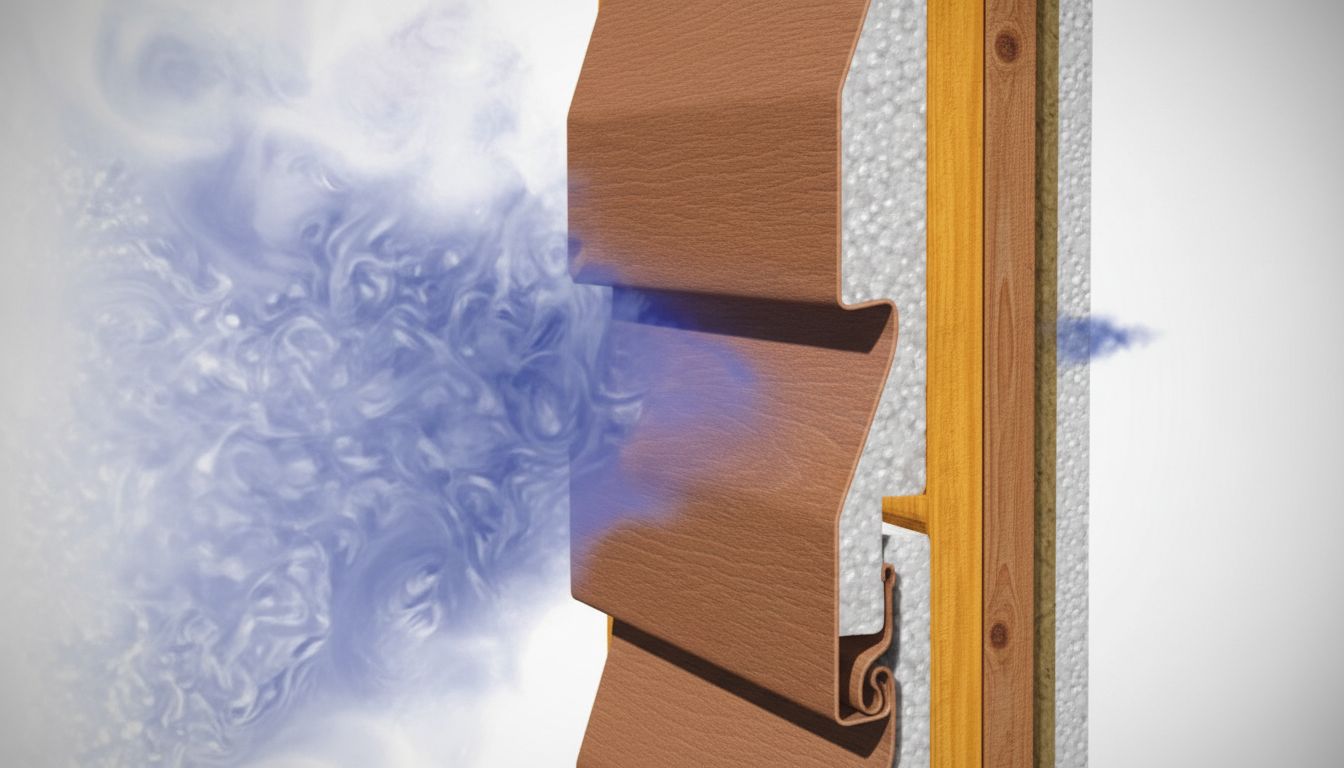
Metal is a far better conductor of heat than wood. When you insulate between metal purlins or girts but leave the metal itself uninsulated, heat moves through the steel framework and bypasses your insulation layer. This is thermal bridging, and it’s the main reason why the stated R-value of insulation for metal buildings often underperforms in real-world conditions. The fix is to either install a thermal break between the metal framing and the insulation, or use a system that covers the framing members continuously.
Effective strategies include adding a layer of rigid foam board over the framing before installing interior panels, using a faced fiberglass system that creates an air gap, or applying closed-cell spray foam directly to the metal skin from inside.
Metal Building Insulation Rolls: The Standard Choice
Faced Fiberglass Batts and Rolls
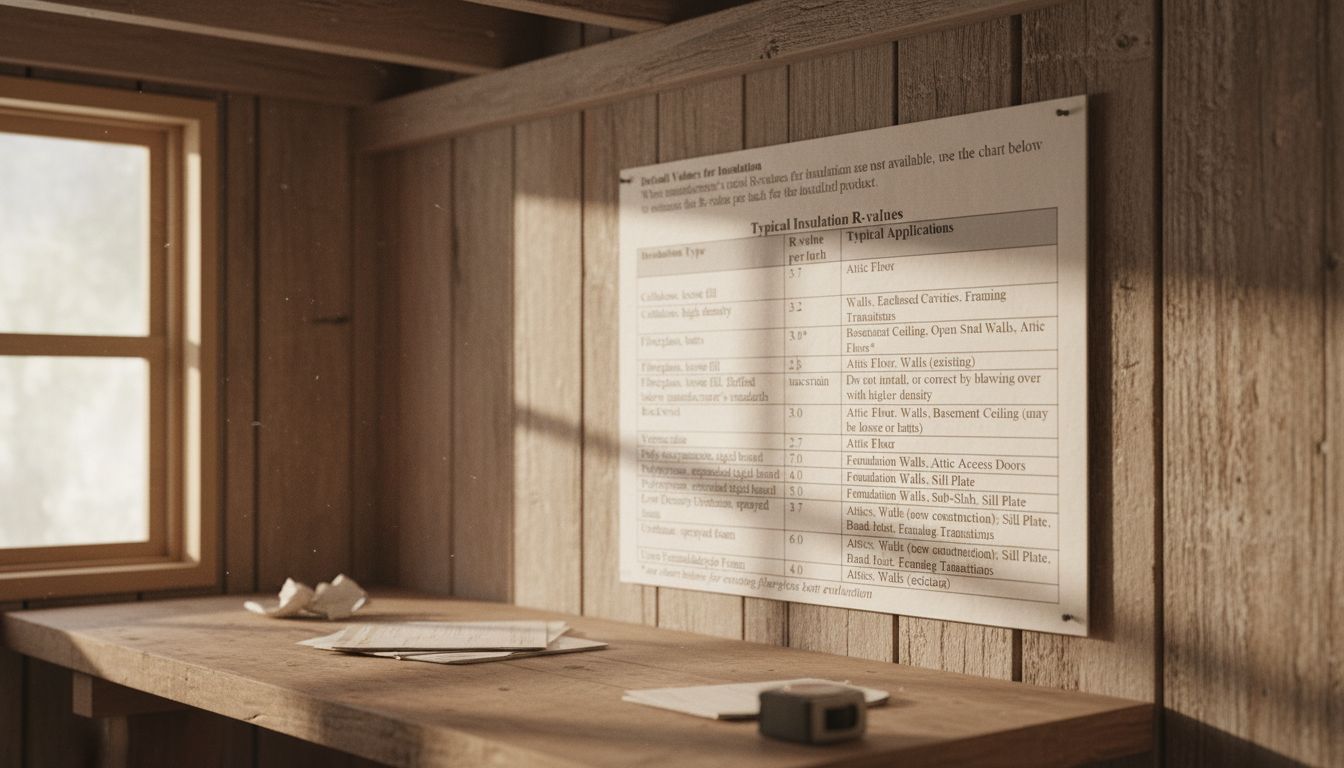
Vinyl-faced fiberglass metal building insulation rolls are the industry standard for pole barns, steel warehouses, and agricultural buildings. They install between purlins and girts with the facing exposed to the interior. The vinyl facing acts as a vapor retarder and gives a finished look to the inside of the structure. R-values range from R-6 to R-30 depending on thickness, and most suppliers offer rolls cut to common purlin spacings of 2 and 3 feet.
Installing roll insulation for metal buildings is a manageable DIY job for most spans. You unroll the material across the roof purlins before panels go on, then drape it down the walls between girts. The facing staples or clips to the framing. The biggest challenge is working on the roof section without compressing the insulation, which reduces its R-value.
Steel Building Insulation Rolls: What Changes at Scale
Steel building insulation rolls for large commercial structures often come in wider widths and higher R-values than standard residential products. For a building over 5,000 square feet, ordering through a metal building supplier rather than a big-box store usually gets you material sized to your specific bay spacing, which reduces waste and labor time. Some suppliers offer a system with a single-source order that includes facing, vapor barrier, and the roll insulation sized to your building dimensions.
Rigid Foam and Spray Foam Options
Rigid Foam Board
Polyisocyanurate (polyiso) and extruded polystyrene (XPS) board give you continuous insulation that covers thermal bridges. Installing 2 inches of polyiso over metal framing before adding interior liner panels adds R-12 to R-13 and eliminates most bridging losses. This system costs more than roll insulation for metal buildings, but it performs closer to its rated R-value in real-world use.
Spray Foam
Closed-cell spray foam applied directly to the metal roof and wall panels stops condensation at the surface, adds structural rigidity, and delivers R-6 to R-7 per inch. It’s the most effective option for climate control in a conditioned space. The tradeoff is cost: professional spray foam installation runs significantly higher than fiberglass roll systems. For a shop or workshop you plan to heat and cool year-round, the long-term energy savings often justify the upfront cost.
Vapor Control and Condensation Management
Metal buildings are condensation traps without a proper vapor strategy. Warm, humid interior air contacts cold metal surfaces and water drops out of the air. The vapor facing on fiberglass rolls addresses this if installed correctly, with all seams overlapped and taped. For climate-controlled buildings, consult an insulation contractor about the correct vapor barrier placement for your climate zone before installation.
Pro tips recap: Address thermal bridging with continuous insulation or a thermal break. Use vinyl-faced fiberglass metal building insulation rolls for unheated or occasionally heated structures. For conditioned spaces, consider spray foam or a rigid foam plus batt hybrid system. Always manage vapor on the warm side of the insulation to prevent condensation-driven corrosion on your steel structure.