Pine Log Siding: Prices, Types, and Interior Uses
Pine log siding delivers the look of a log cabin without the structural complexity or the cost of full log construction. If you’re comparing log siding prices across species and profiles, pine sits at the accessible end of the range while still giving you a convincing natural wood appearance. This guide covers what pine log siding actually is, how log siding cost breaks down by material and installation, where interior log siding makes sense, and how to find cheap log siding that doesn’t compromise on quality.
Whether you’re finishing a garage conversion, adding a mountain-cabin feel to a basement, or re-siding a storage building, pine is one of the most practical options to work with. Understanding log siding prices before you order helps you avoid over-spending on premium species when pine will perform equally well, or under-buying a grade that’ll need replacement in a few years.
What Pine Log Siding Is and How It’s Made
Half-Log and D-Log Profiles
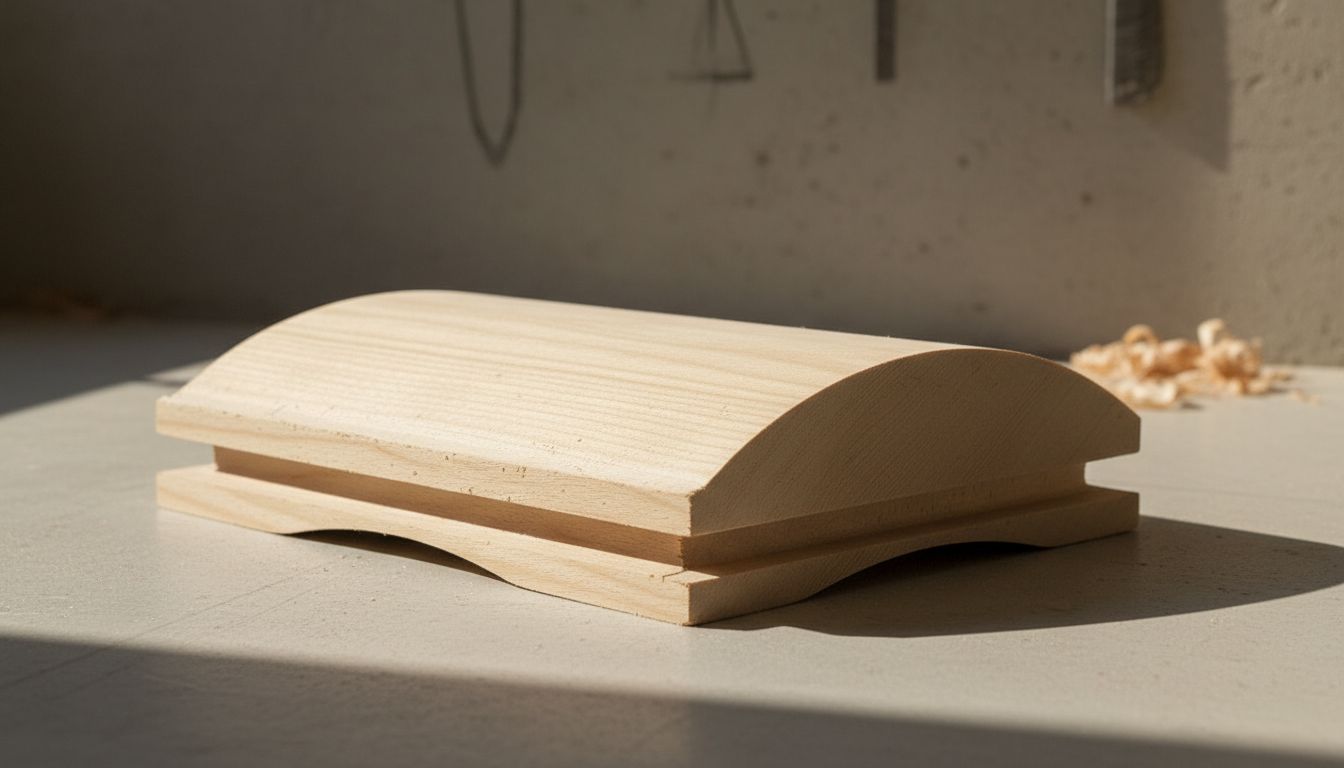
Pine log siding is milled from full logs into planks that have a round or curved face and a flat back. The most common profile is D-log, which mimics the flat interior face and curved exterior of a stacked log wall. Half-log profiles are similar but slightly thicker and more pronounced in appearance. Both install flat against standard wall sheathing with the rounded face exposed, creating the visual effect of a stacked log structure without needing full-log engineering.
Most pine log siding planks run 6 to 8 inches in face width. Wider boards are available and look more like full-diameter logs, which can significantly change the visual scale of a room or a building exterior.
Wood Grade and Treatment
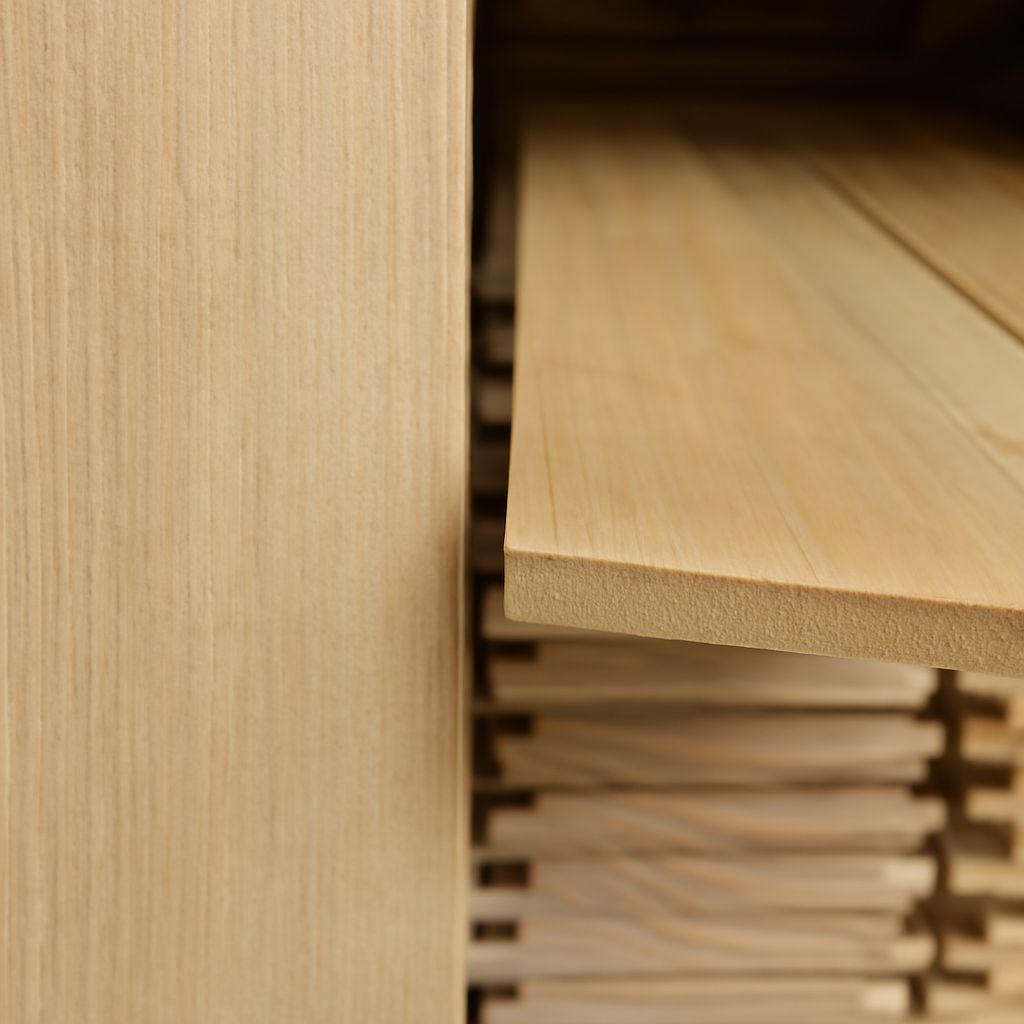
Pine log siding comes in select grades (tighter grain, fewer knots) and cabin-grade (more character, more knots). Select grade costs more and is typically used where appearance is the primary concern. Cabin grade is the common choice for outbuildings and is the dominant source of cheap log siding in most markets. For exterior applications, always choose kiln-dried material with a preservative treatment or plan to apply an exterior stain system immediately after installation.
Log Siding Prices: What to Expect
Log siding cost varies by region, species, grade, and profile. Pine log siding runs approximately $2 to $5 per linear foot for standard D-log profiles in cabin grade. Select grade and thicker profiles push log siding prices to $5 to $8 per linear foot. Cedar, which is often compared to pine for siding, runs $4 to $9 per linear foot for similar profiles. If cheap log siding is the goal, pine cabin grade is the starting point for most buyers.
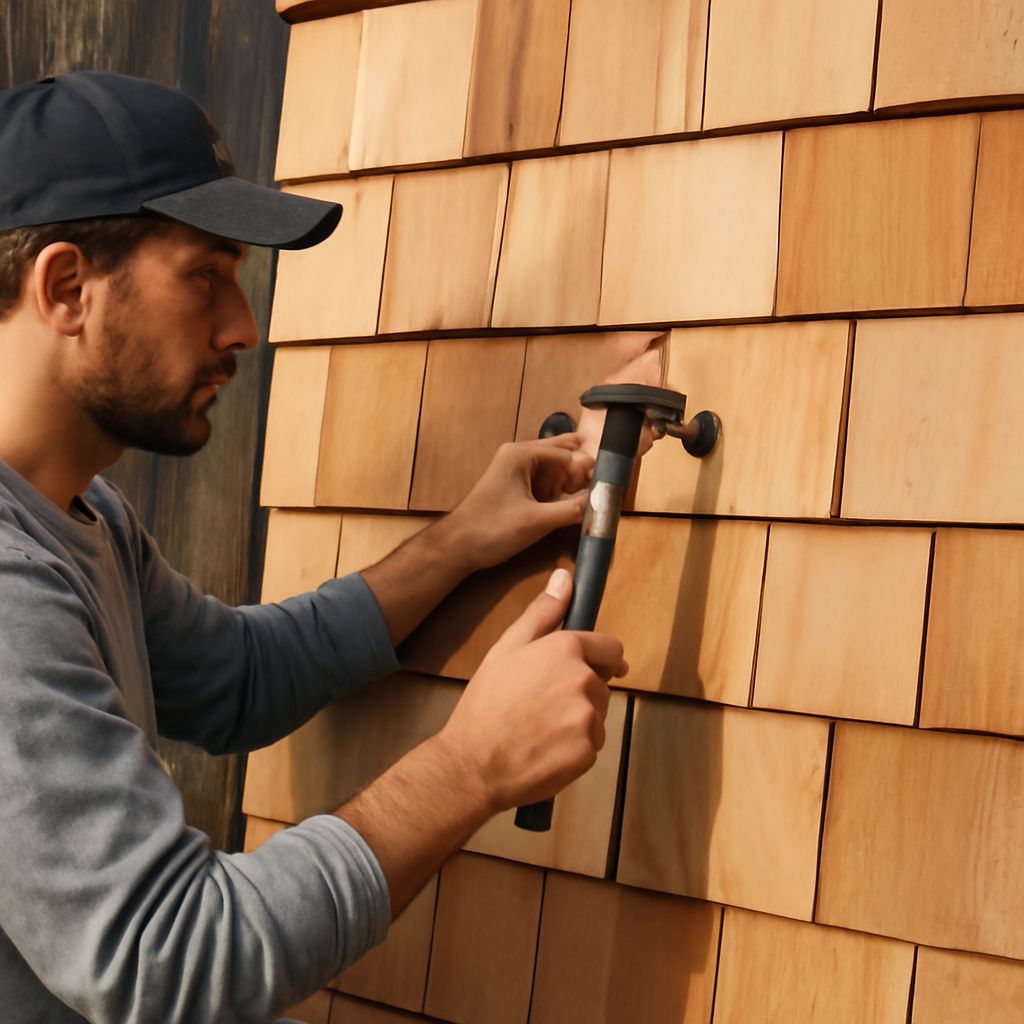
Don’t confuse material cost with installed cost. Labor to install log siding, including cutting, fitting, and fastening, adds $3 to $8 per square foot depending on your market. Complex installations with corners, window wraps, and chinking add time and cost. Material-only prices are relevant for DIY projects; budget both if you’re hiring out.
Interior Log Siding: Walls, Ceilings, and Accent Walls
Interior log siding is one of the fastest ways to transform a plain drywall room into a space with genuine character. It installs the same way as exterior siding but doesn’t require weather protection coatings. A clear interior finish or a light stain lets the pine grain show without adding the weathered tone of exterior products. Pine is especially effective as interior log siding on accent walls, behind beds, or along stairwells where the texture reads well without overwhelming the whole room.
For ceilings, use thinner profiles to manage weight. Standard D-log ceiling installation should be secured into framing, not just drywall. Pre-drill pine at the ends to prevent splitting when nailing close to the edges.
Finding Cheap Log Siding Without Sacrificing Quality
Cabin-grade pine is where most buyers find affordable log siding without buying into structural problems. Avoid pressure-treated pine for interior applications since the chemicals aren’t rated for enclosed spaces with regular occupancy. For exterior work, a quality oil-based stain or solid exterior paint applied to all six sides before installation extends the life of budget-grade pine significantly.
Buy slightly more material than your measurement requires. Pine log siding planks often need trimming at corners and around openings, and waste on a complex wall can reach 15 percent. Having extra material from the same production run means consistent grain and color if you need to patch later.
Bottom line: Pine log siding is a practical choice for both exterior and interior applications where you want the log-cabin look at a realistic price point. Match your grade to your use case, budget for installation costs separately from material, and finish the wood properly from day one to protect your investment.