Cedar Siding Boards: Types, Pricing, and Where to Buy
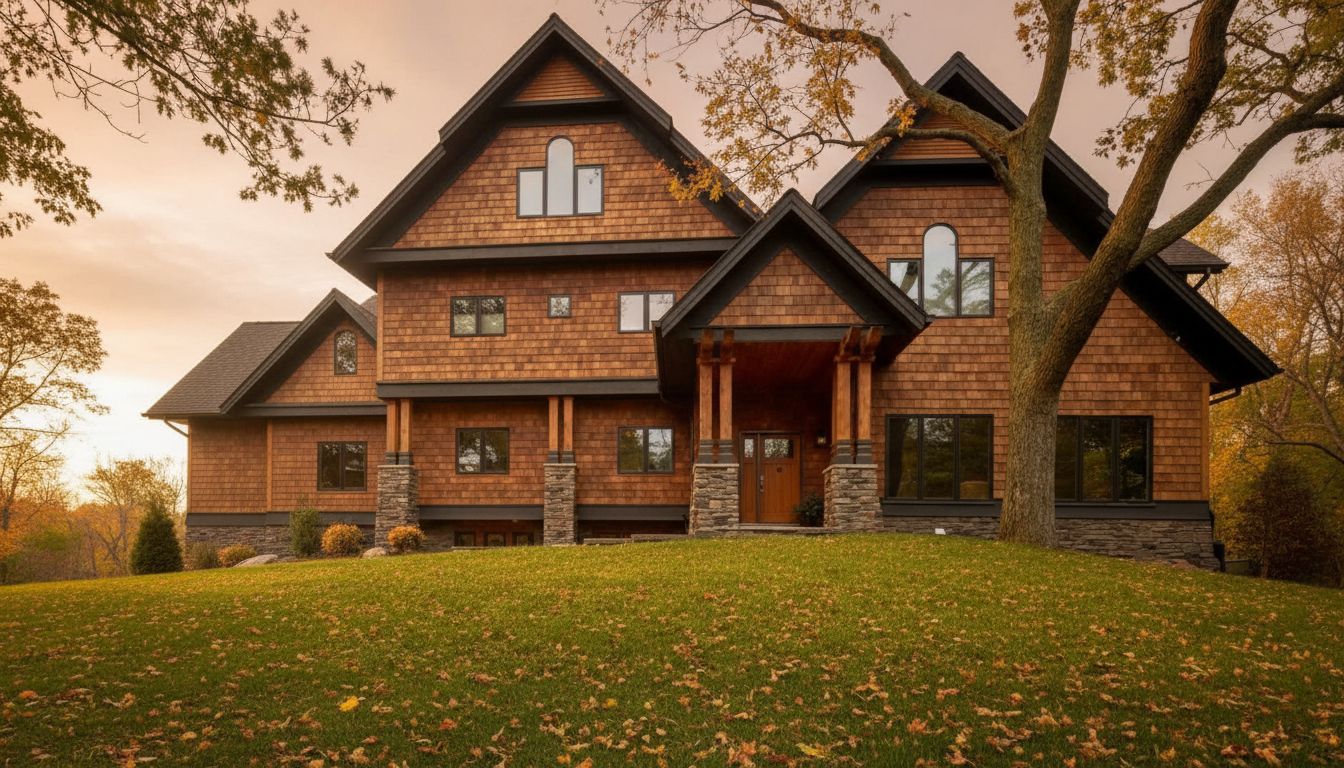
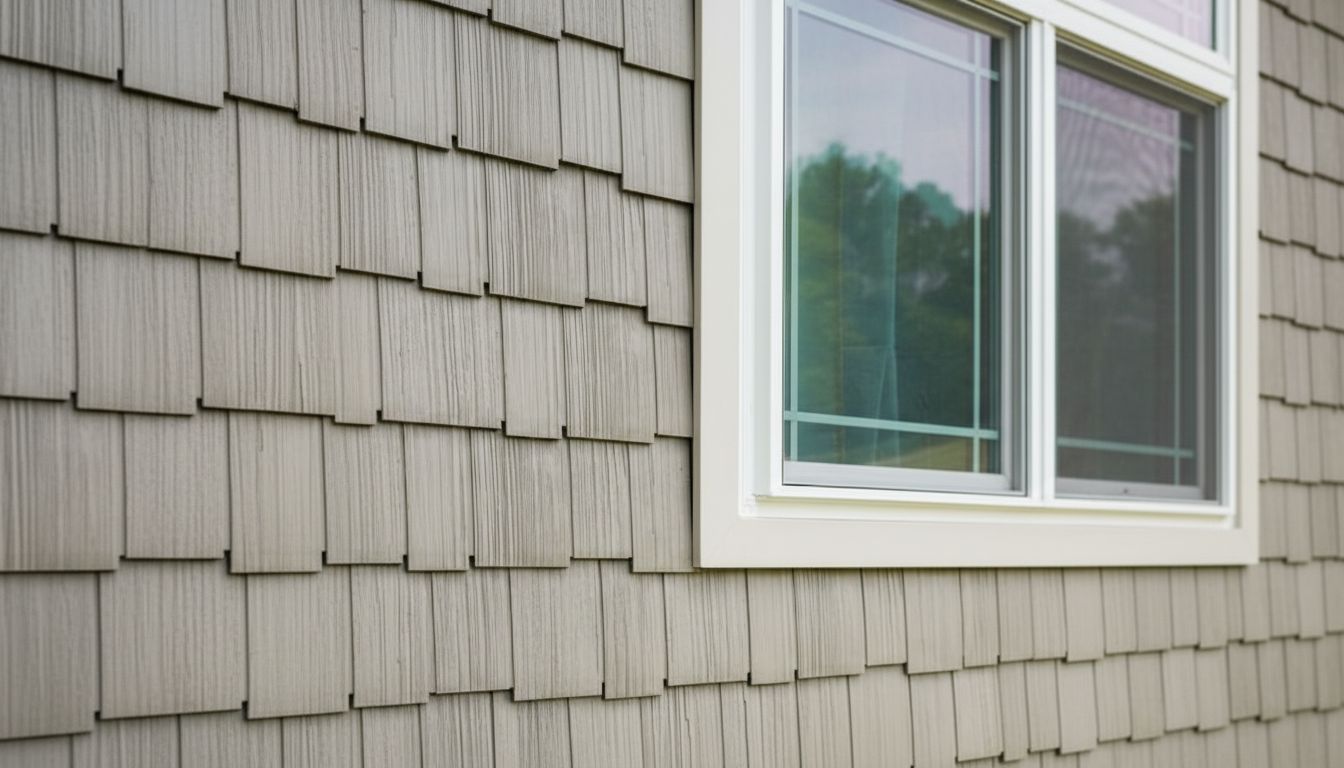
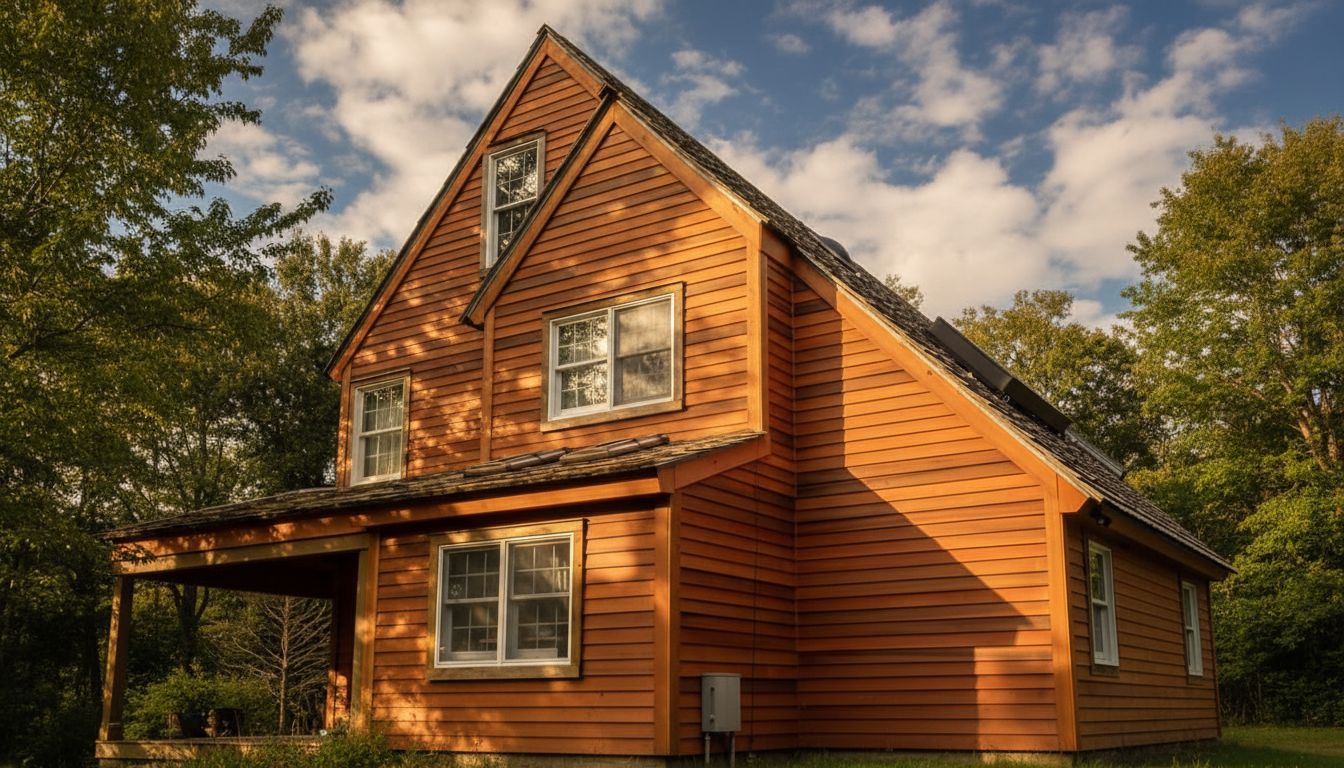
Cedar siding boards come in more profiles and grades than most buyers realize, and the differences matter both for appearance and for how the siding performs over time. If you’re comparing exterior cedar siding options, the species, cut, and finish treatment all affect what you’re paying and what you’re getting. This guide covers the main board types, what drives cedar siding pricing, where rough cut cedar siding fits in the range of options, and how to find cedar siding for sale at prices that make sense for your project.
Whether you’re re-siding a whole house or adding exterior cedar siding to an addition, understanding the product landscape before you buy helps you avoid paying premium prices for grades you don’t need, or buying cheap material that requires replacement sooner than expected.
Types of Cedar Siding Boards
Clear vs. Knotty Cedar
Cedar siding boards are graded primarily by knot content. Clear cedar (also called clear vertical grain or CVG) has tight, straight grain and minimal or no knots. It’s the premium grade for exterior cedar siding, takes finish evenly, and stays stable through seasonal moisture changes. Knotty cedar has more character and more variation, which many buyers prefer aesthetically, but knots can be entry points for moisture if not properly sealed.
For exterior applications, tight knots that are firmly integrated into the wood perform better than loose or encased knots that may fall out over time. Look for a grade designation like “Knotty 1 or Better” which limits defect size and frequency.
Rough Cut Cedar Siding
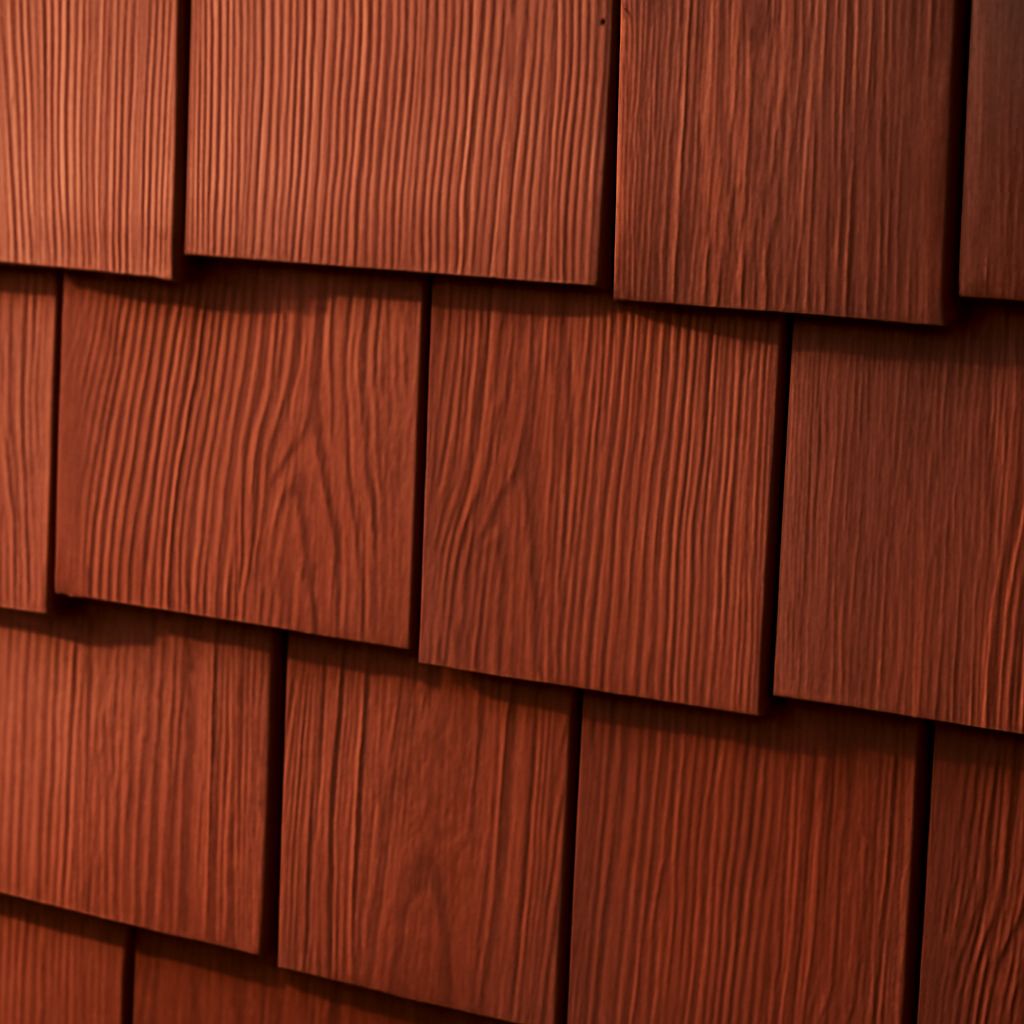
Rough cut cedar siding is milled without surfacing, leaving a sawn texture rather than a smooth face. This texture is popular for rustic, barn, and farmhouse aesthetics, and it holds stain well because the open surface absorbs finish more readily than smooth-sawn boards. Rough cut cedar siding typically costs less per board foot than surfaced or resawn products because less milling is involved.
The tradeoff is dimensional variation. Rough-cut boards are less uniform in thickness and width, which can affect installation consistency. Plan for slightly more material and more fitting time compared to surfaced cedar siding boards.
Cedar Siding Pricing: What Drives the Cost
Cedar siding pricing reflects several variables: species (Western Red Cedar costs more than Eastern White Cedar), grade (clear costs more than knotty), profile (bevel costs less than tongue-and-groove), and source (local mill vs. distributor vs. home center). At a home center, expect to pay $1.50 to $4 per linear foot for knotty cedar in standard bevel profiles. Clear vertical grain exterior cedar siding from a specialty supplier runs $5 to $10 per linear foot or higher depending on width.
Rough cut cedar siding from a regional mill is often the most affordable option for large projects. Buying direct from a cedar mill or regional lumber yard rather than through a big-box retailer typically saves 20 to 40 percent on cedar siding pricing for comparable grades.
Where to Find Cedar Siding for Sale
The best sources for cedar siding for sale depend on your project size and how much time you have. For smaller projects, home improvement centers carry standard profiles in knotty cedar and occasionally offer clear grades. For larger projects or specific grades like rough cut cedar siding or CVG boards, local lumber yards and specialty siding suppliers carry more options and can provide custom lengths that reduce waste.
Online lumber marketplaces have expanded the range of cedar siding for sale available to homeowners, but shipping costs on heavy dimensional lumber add up quickly. For most buyers, sourcing locally is more cost-effective once freight is factored in.
Key takeaways: Match cedar siding board grade to your use case and finish plan. Rough cut cedar siding costs less and holds stain well but requires more installation time. Cedar siding pricing varies most by grade and source, so comparing a specialty lumber yard against a home center on the same grade often reveals significant savings.