Professional Plumbing Services: What to Expect and When to Call
Hiring professional plumbing services is one of those decisions homeowners face more often than they expect. A dripping faucet is one thing, but a burst pipe at midnight is another. This guide covers when to call after hours plumbing, how on call plumbing dispatch works, what a plumbing pro handles day to day, and the sanitary plumbing standards that protect your water supply and your family.
Plumbing work ranges from straightforward fixture swaps to complex drain line replacements. Knowing the difference between jobs you can schedule and emergencies that need immediate attention saves you money and prevents damage from getting worse.
What Professional Plumbing Services Actually Cover
Routine Maintenance vs. Emergency Work
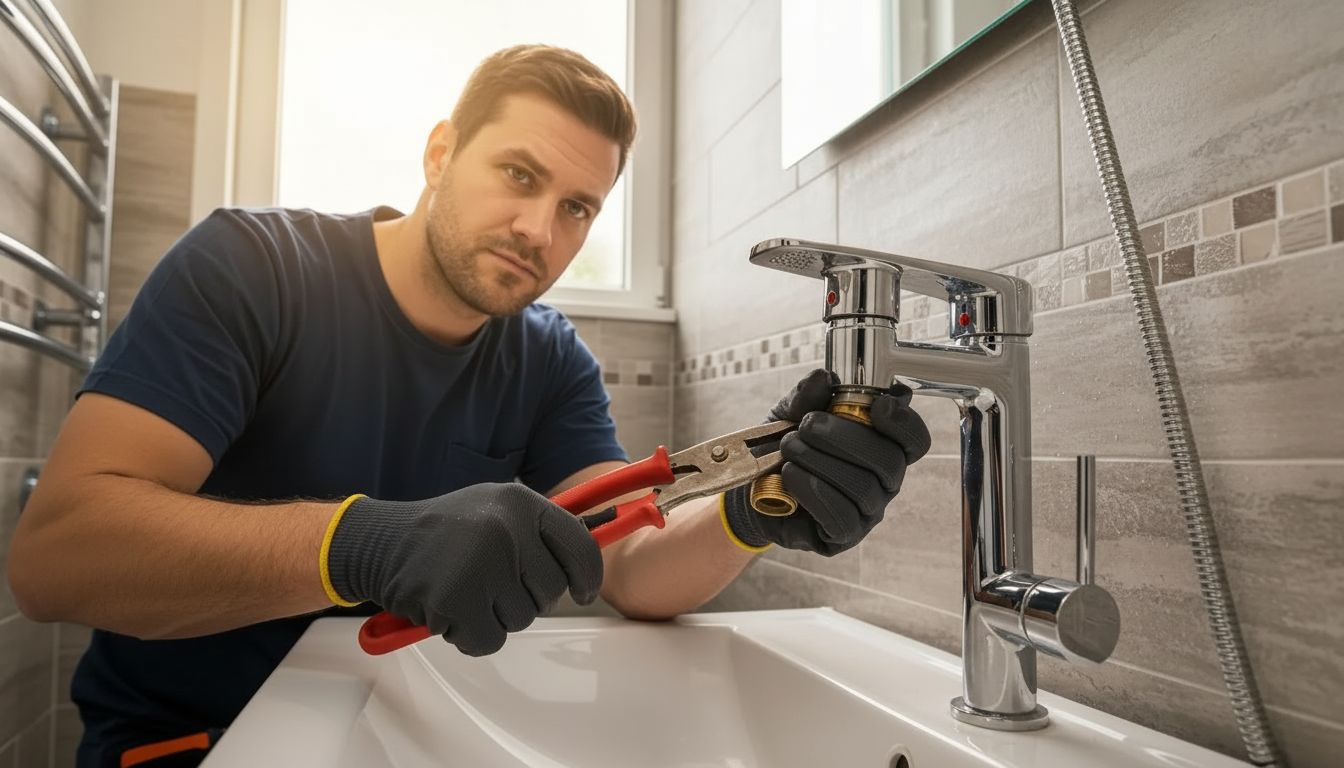
Certified plumbers handle far more than leaks. Professional plumbing work includes water heater installation, whole-house repiping, gas line connections, water softener setup, and pressure regulator replacement. Scheduled maintenance, like flushing your water heater annually or inspecting supply lines, extends the life of your system by years.
Emergency plumbing is different. A qualified plumbing specialist gets called when water is actively flowing where it should not be, when sewage backs up into the home, or when a gas line is compromised. These are not situations to wait on until Monday morning.
Sanitary Plumbing Standards
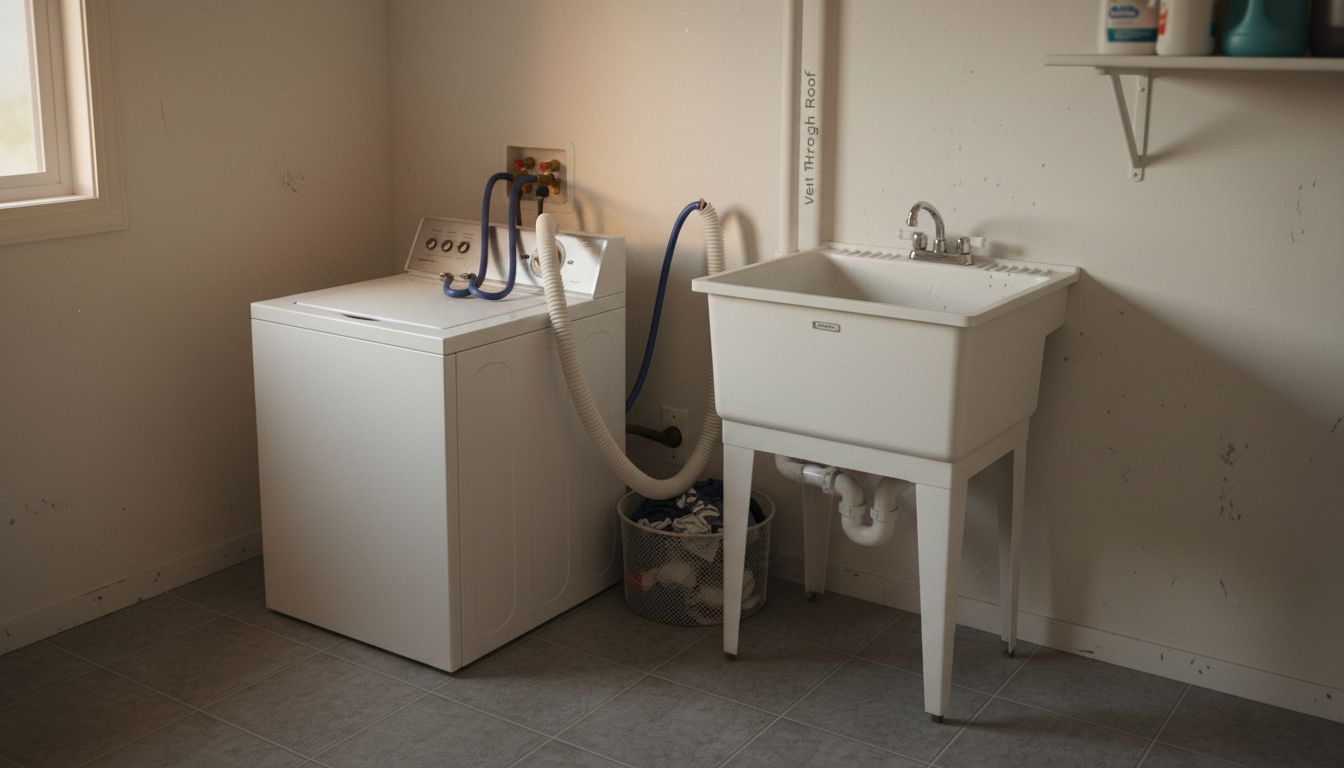
Sanitary plumbing refers to the drain-waste-vent system that carries wastewater out of your home safely and without contaminating your drinking water. Licensed plumbers follow local codes that specify pipe slope, vent sizing, trap requirements, and backflow prevention. Any work that touches your sanitary plumbing system must meet these standards, or you risk health hazards and failed inspections. Always use a licensed pro for sanitary drain work, not a handyman who is not plumbing-certified.
When You Need After Hours Plumbing
True Plumbing Emergencies
After hours plumbing calls are appropriate for: a burst pipe that is flooding your home, no hot water in freezing temperatures, sewage backing up into tubs or toilets, and any leak near electrical panels. These situations cannot wait. After-hours emergency plumbing costs more, typically 1.5 to 2 times standard rates, but the cost of water damage far exceeds the service call.
Not every problem qualifies. A slow drain, a running toilet, or a dripping faucet can safely wait until business hours. Calling an emergency plumbing service for non-urgent work wastes your money. Use good judgment to decide whether the situation is getting worse by the minute.
What to Do Before the Plumber Arrives
For any active leak, locate your main shutoff valve and turn off the water supply. This alone limits damage significantly. If the problem involves a single fixture, use the fixture-level shutoff instead. Clear the area around the problem so the plumber can work immediately on arrival. Document what you see with your phone camera.
Finding a Reliable Plumbing Pro
Licensing and Credentials
A qualified plumbing pro holds a state plumbing license, which requires passing exams on codes and technical skills. Ask for the license number and verify it on your state’s contractor licensing board website. Reputable plumbing professionals also carry liability insurance and workers’ compensation coverage. If someone shows up without those, send them away.
Look for plumbers who belong to the Plumbing-Heating-Cooling Contractors Association or a similar trade organization. Membership is not a guarantee, but it indicates commitment to ongoing education and ethical standards.
Getting Quotes
For non-emergency work, get at least three quotes. A reliable plumbing contractor will provide a written estimate that breaks down labor and materials. Be skeptical of bids that are dramatically lower than the others. Ask whether the quote includes permits, since permitted work protects you when you sell the home.
On Call Plumbing: How It Works
On call plumbing means a licensed plumber is available outside standard business hours, including nights, weekends, and holidays. When you call a plumbing service that offers around-the-clock coverage, a dispatcher routes your call to the nearest available technician. Response times for on-demand plumbing service typically run one to three hours depending on your area and how many calls are in queue.
Ask your current plumbing contractor whether they offer 24-hour availability before you need it. Having that number saved means you’re not scrambling during a crisis. Many companies offer service agreements that include priority scheduling for on-call work at reduced rates.
Key takeaways: Use licensed professional plumbing services for anything beyond basic fixture swaps. Call after hours plumbing for true emergencies only. Verify credentials before any plumber starts work, and keep a trusted plumber’s number saved before you ever need it.