Half Log Siding: Metal, Steel, Quarter, and Split Log Siding Options
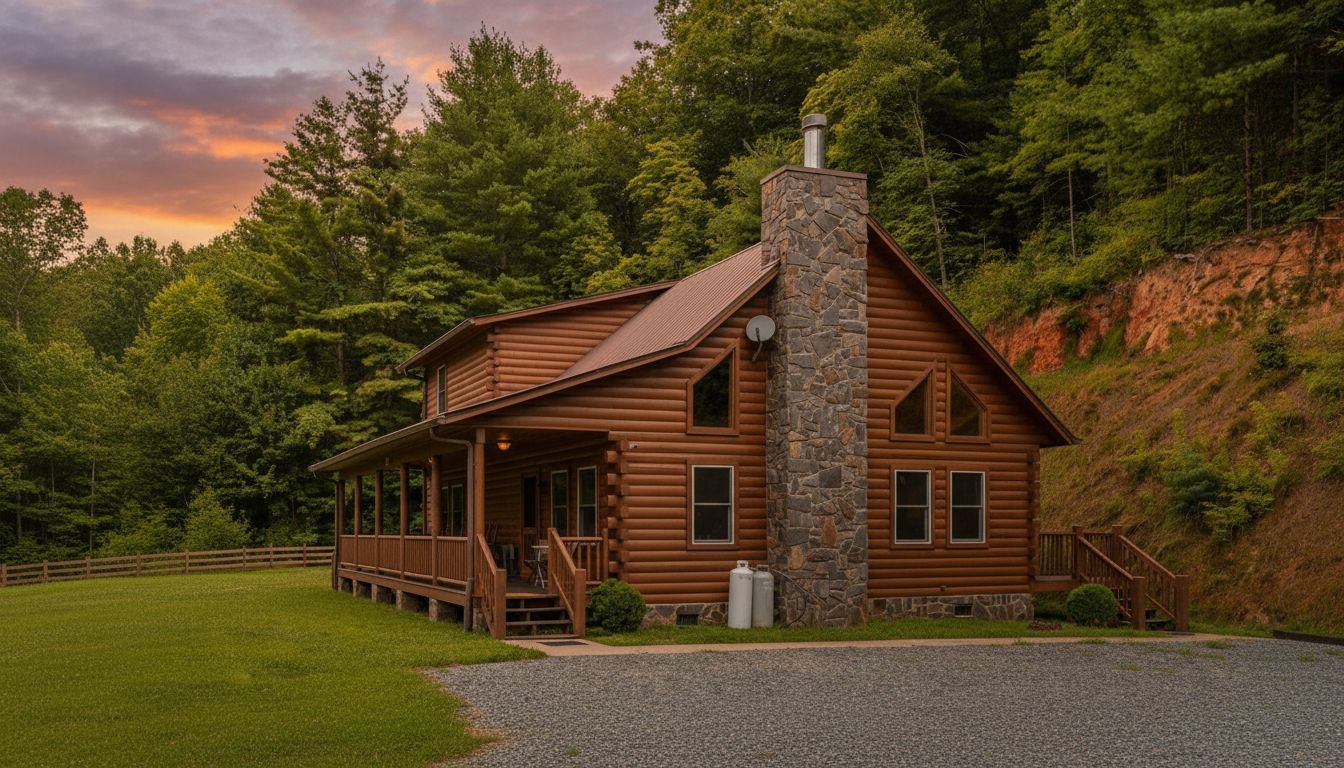
Half log siding gives your home or cabin the look of full log construction at a fraction of the cost and weight. Cut from real logs or manufactured from alternative materials, these products install over standard framing and create a convincing log profile from the exterior. Metal log siding and steel log siding take the concept further, offering non-combustible options for fire-prone regions. Quarter log siding and split log siding provide thinner profiles that work on structures where full half-log thickness is not practical. Understanding the differences between these products helps you choose the right material for your climate, budget, and structure.
Log-profile siding is available in natural wood, engineered wood, fiber cement, steel, and concrete. Each material has distinct installation requirements, maintenance expectations, and price points.
Half Log Siding: Materials and Profiles
Natural and Engineered Wood Half Logs
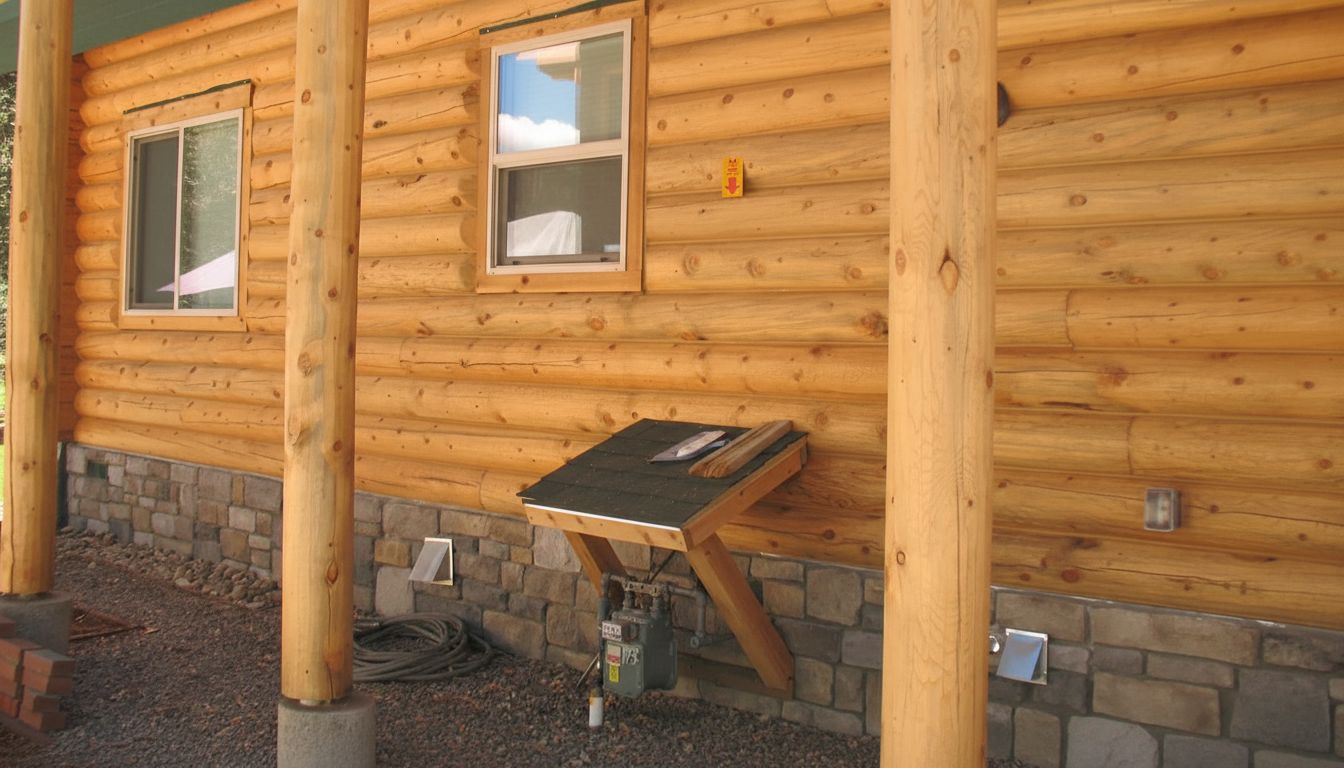
Traditional half log siding is milled from real logs, cut lengthwise to produce a flat back and a rounded or D-shaped front face. Cedar, pine, and spruce are common species. Natural half-log siding provides authentic appearance and real wood texture that manufactured products replicate but do not perfectly match. The trade-off is maintenance. Natural wood requires staining or painting every three to seven years depending on climate, and it needs careful attention to moisture management at joints and end grain to prevent rot.
Engineered wood half log siding uses wood fiber and resin binders to create a dimensionally stable product that installs like natural wood but handles moisture better. Engineered half-log profiles resist warping and checking more reliably than solid wood and typically carry longer warranties against rot and decay. These products cost less than clear natural cedar while delivering acceptable appearance for most residential applications.
Quarter Log Siding and Split Log Siding
Quarter log siding uses a thinner profile, typically 1.5 to 2 inches deep, compared to the 3- to 4-inch depth of true half log siding. It works well on interior accent walls, smaller outbuildings, and applications where the full projection of a half log would look disproportionate. Split log siding describes products made by sawing logs lengthwise into halves or quarters, with a less uniform appearance than milled profiles. The natural variation in split log siding gives a more rustic look that some buyers specifically want.
Metal Log Siding and Steel Log Siding
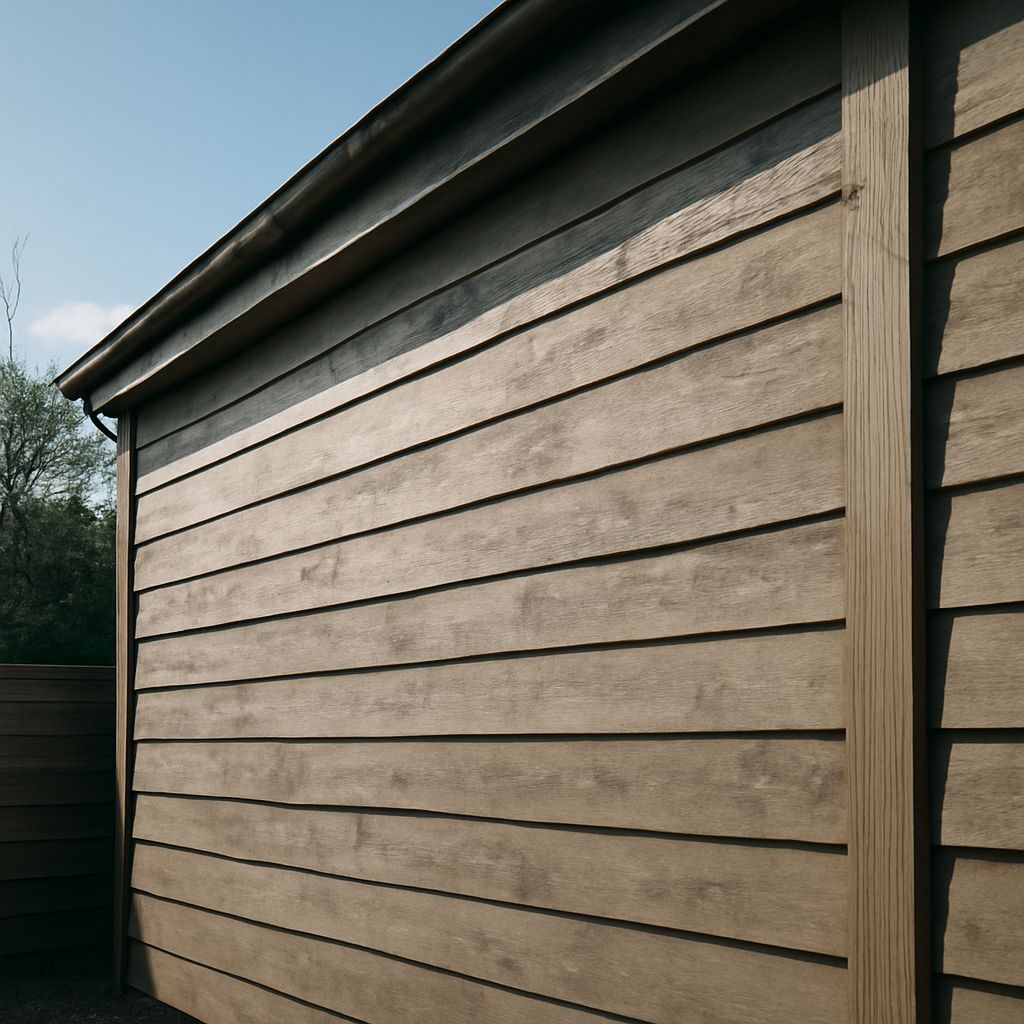
Metal log siding and steel log siding are manufactured products that form a log profile from steel or aluminum sheets. They provide the visual impression of log siding with the fire resistance, dimensional stability, and low maintenance of metal cladding. Steel log siding is available in painted finishes with embossed wood grain texture. It will not rot, crack, or be eaten by insects.
Installation of metal log siding uses concealed fasteners that clip to the framing behind the panel, reducing visible hardware. The products interlock vertically, similar to standard steel siding profiles. Steel log siding costs more per square foot than vinyl or standard steel panel siding but comparable to fiber cement log profiles. In areas with strict fire codes, steel log siding or fiber cement log profiles may be the only compliant options for an exterior log aesthetic.
Choosing Between Profile Types
Your choice between half log siding, quarter log siding, and split log siding depends on your structure’s wall system, local building codes, and aesthetic goals. For a stick-framed home that you want to look like a log cabin, half log siding installed with a rainscreen gap behind it performs best at managing moisture. For an outbuilding or interior accent wall, quarter log or split log profiles work well and cost less per square foot.
Consider fire risk when selecting material. In WUI (Wildland-Urban Interface) zones, many jurisdictions require non-combustible cladding within a certain setback from structures. Steel log siding and concrete or fiber cement log profiles satisfy those requirements where natural or engineered wood products do not.
Next Steps
Measure your wall area and determine what profile depth your structure can accommodate structurally and aesthetically. Check your local fire code requirements before committing to any combustible material. Request samples of natural wood, engineered wood, fiber cement, and steel log siding options to compare appearance and weight. For any installation on a structure requiring permits, verify that your chosen product is listed and code-compliant in your jurisdiction before purchasing. A licensed contractor experienced in log-profile siding installation can identify product options and installation details that maximize long-term performance.