Cedar Siding Panels: Types, Costs, and Installation Tips
Cedar siding panels bring a combination of warmth, durability, and natural beauty that few other materials can match. If you are planning cedar house siding for a new build or a renovation, knowing the full picture before you buy saves money and avoids surprises. This guide covers the varieties of natural cedar siding available, breaks down the cost of cedar siding by style and region, and explains what to expect when you install cedar panel siding on your home.
You will find practical buying advice, maintenance requirements, and guidance on when a professional installer is the right call.
Types of cedar siding panels
Bevel and lap siding
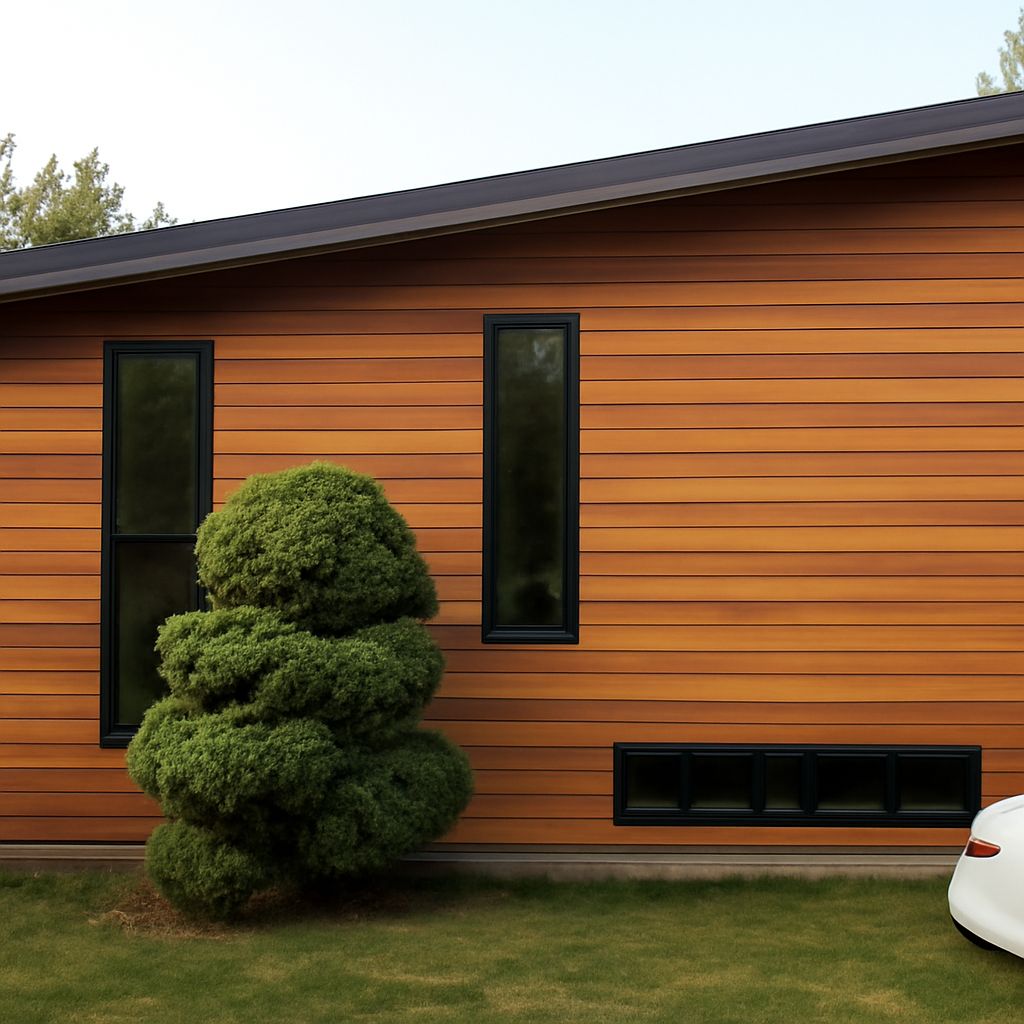
Bevel cedar is the classic horizontal style. Boards are thicker at the bottom edge and taper toward the top. The overlap sheds water efficiently, making bevel-cut cedar house siding a reliable choice for rainy climates. Western red cedar and Alaskan yellow cedar are the two species you will encounter most often at lumber yards.
Shingle and shake panels
Cedar shingles are sawn smooth on both faces; shakes are split on at least one face, giving a rougher texture. Both add strong visual dimension to a facade. Pre-assembled cedar panel siding products mount in rows, cutting installation time compared to individual shingle application.
Tongue-and-groove and board-and-batten
Tongue-and-groove cedar locks pieces tightly together for a clean, modern appearance used often in contemporary and Craftsman-style homes. Board-and-batten pairs wide vertical boards with narrow battens that cover the gaps. Both styles fall under the broader umbrella of natural cedar siding and work equally well on full exteriors or accent walls.
Cost of cedar siding
Material prices
Expect to pay $3 to $9 per square foot for cedar siding boards, depending on species, grade, and profile. Clear, knot-free grades cost more than knotty utility grades. Pricing cedar house siding accurately requires knowing your wall square footage plus a 10 to 15 percent waste factor for cuts.
Installation labor
Labor for installing cedar panel siding typically adds $3 to $7 per square foot to your total. Complexity drives that number up. Multi-story homes, intricate trim work, and removal of existing cladding all push the price higher. The full installed cost of cedar siding on an average 1,500-square-foot home runs between $9,000 and $24,000.
Finishing and maintenance costs
Raw natural cedar siding needs a finish coat of stain, paint, or water repellent within a few months of installation. Budget $1 to $3 per square foot for the first finish. Re-staining or repainting every five to seven years keeps wood fibers protected and prevents the gray weathering that unfinished cedar develops. Factor this recurring cost into your long-term budget.
Installing cedar siding panels
Preparation and moisture barrier
Proper installation starts with a continuous weather-resistive barrier over the sheathing. Housewrap or building paper blocks bulk water while allowing vapor to escape. Without it, moisture traps behind your cedar boards and accelerates rot. Install flashing at windows, doors, and any horizontal ledger before hanging the first piece of cedar panel siding.
Nailing and spacing
Use hot-dipped galvanized or stainless-steel nails. Plain steel corrodes and stains cedar with rust streaks. Blind-nail tongue-and-groove styles through the tongue. Face-nail bevel siding near the bottom edge. Leave a 1/16-inch gap at butt joints to allow for seasonal wood movement. Trying to force cedar house siding boards tightly together leads to buckling when humidity rises.
Next steps
Once your cedar siding panels are up, apply your chosen finish within 60 days to lock in protection. Set a calendar reminder to inspect caulk joints every two years and refinish surfaces every five to seven years. If you notice soft or discolored boards during inspection, address them quickly. Spot repairs on natural cedar siding are straightforward when caught early.