Green Drywall Guide: Greenboard, Water-Resistant, and Mold-Proof Options
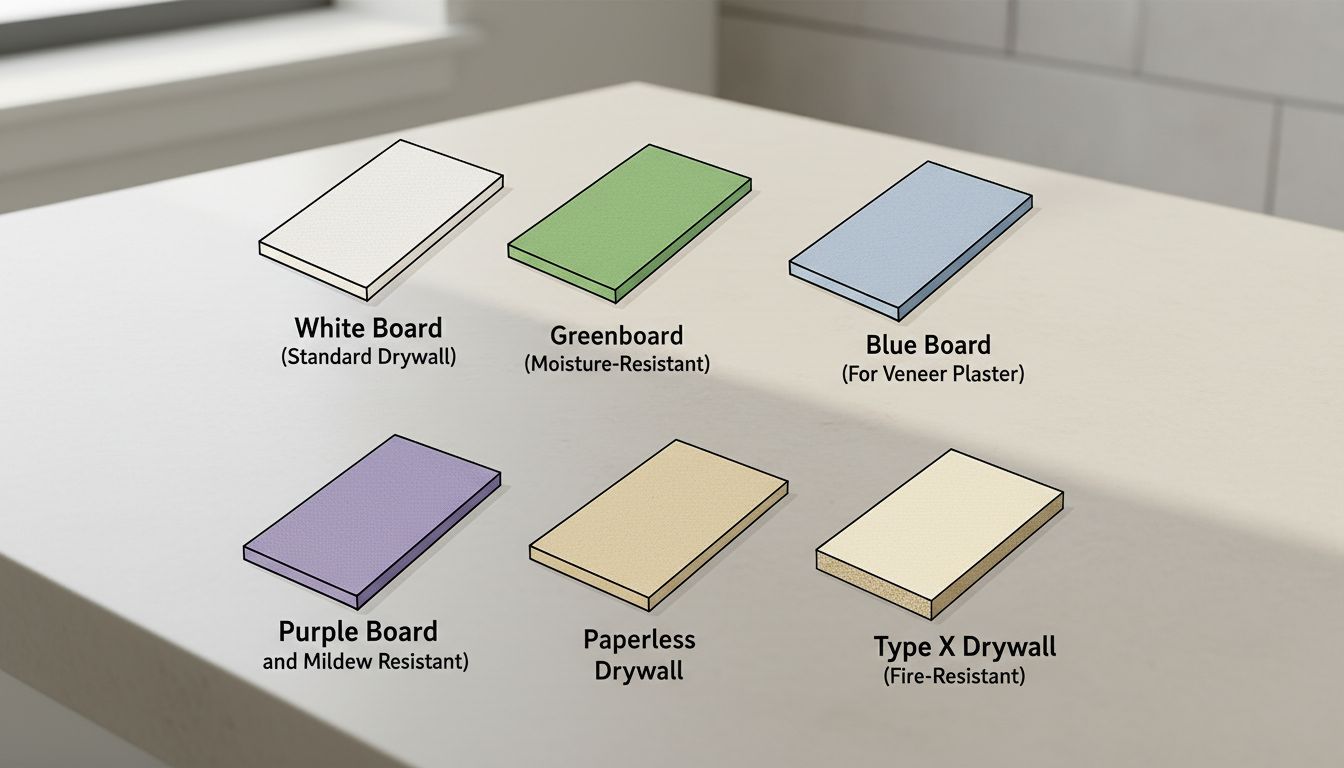
Green drywall has been the go-to moisture-resistant panel for bathrooms and kitchens since the 1960s. Greenboard drywall gets its name from the green-tinted paper facing that signals moisture resistance. Water resistant drywall of this type works well as a tile backer in low-splash areas but should not be confused with mold proof drywall, which uses a different core technology. The term drywall green board is used interchangeably with greenboard in most supply catalogs, though product specs vary by manufacturer. Understanding where each product fits prevents costly callbacks and failed tile installations.
This guide covers the full spectrum of moisture-resistant drywall products, where each belongs, and the common mistakes that lead to premature failures.
What is greenboard drywall
Construction and properties
Greenboard drywall consists of a standard gypsum core covered with moisture-resistant green paper facing on one side. The paper facing reduces but does not eliminate moisture absorption. Drywall green board products are rated for areas with occasional moisture exposure, not sustained or direct water contact. They work behind sinks, on laundry room walls, and as bathroom wall backing away from the shower or tub surround. Using green drywall directly behind a tile shower without a secondary waterproofing membrane is a common installation mistake that leads to mold growth behind the tile within a few years.
When greenboard is the right choice
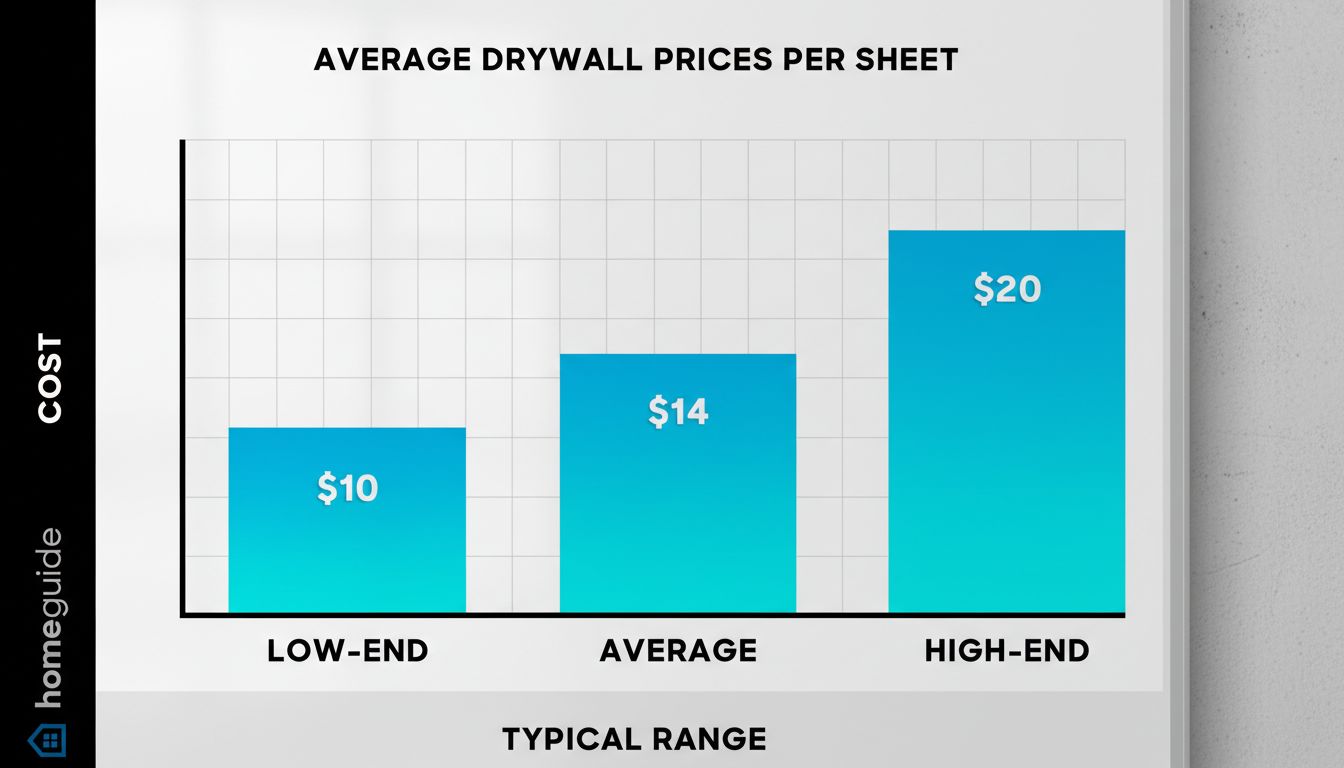
Greenboard drywall works well on bathroom walls more than 24 inches from the shower pan and on kitchen walls behind a range hood. It is also appropriate as a substrate for kitchen tile backsplashes when the installation includes a proper waterproofing layer between the tile and the board. Green drywall costs only slightly more than standard drywall, making it an economical upgrade in any room that occasionally sees moisture splashes.
Water resistant drywall beyond greenboard
Purple board and fiberglass-faced options
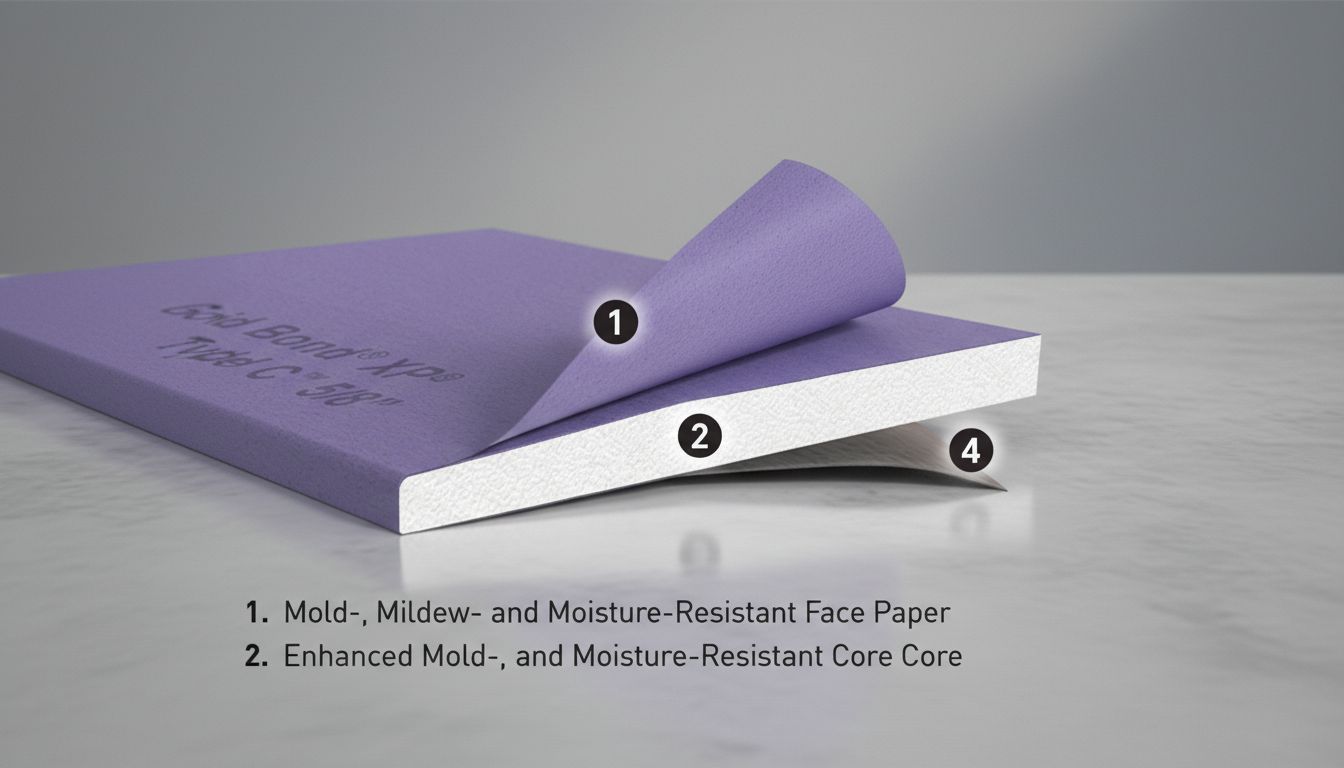
Several manufacturers now offer water resistant drywall with fiberglass-faced or treated core technology that outperforms greenboard in wet areas. National Gypsum’s Purple Board and Georgia-Pacific DensArmor are among the most widely stocked alternatives. These products resist mold and moisture more effectively than traditional drywall green board panels because the fiberglass facing does not support mold growth the way organic paper facing does. They cost more per sheet but are appropriate as direct tile backers in wet area applications when combined with proper joint waterproofing.
Cement board and foam alternatives
For direct contact with water in shower surrounds, cement board or foam-core tile backer replaces greenboard entirely. These are not technically mold proof drywall products but are the correct substrates for wet areas. Cement board installs similarly to drywall but requires a fiberglass mesh tape and polymer-modified thinset for seams. Foam backer products like Schluter KERDI-BOARD are lighter and easier to cut than cement board and integrate with membrane waterproofing systems.
Mold proof drywall technology
True mold proof drywall products use a glass-mat facing and a treated gypsum core that inhibits mold growth even when the panel stays damp for extended periods. Products like USG Sheetrock Brand Mold Tough fall in this category. They do not carry a claim of total mold elimination but significantly reduce mold risk compared to standard paper-faced panels. Using mold proof drywall in bathrooms, basements, and utility rooms that lack perfect vapor control provides a meaningful upgrade in homes where humidity management is challenging.
Choosing the right product
Match the product to the exposure level. Standard walls away from moisture use regular drywall. Occasional-splash areas get greenboard. Direct tile surrounds and shower walls need cement board or foam backer with a membrane waterproofing layer. Basements and high-humidity spaces benefit from mold proof drywall. Ask your tile installer which backer they prefer before purchasing water resistant drywall, since some systems require specific substrates for their warranty to remain valid.
Bottom line: Greenboard drywall is not a waterproofing product and should not be treated as one. Use it where splash protection is needed, pair it with cement board or membrane systems in true wet areas, and consider mold proof drywall whenever humidity control is uncertain.