Beveled Siding: Types, Installation Tips, and Maintenance Guide
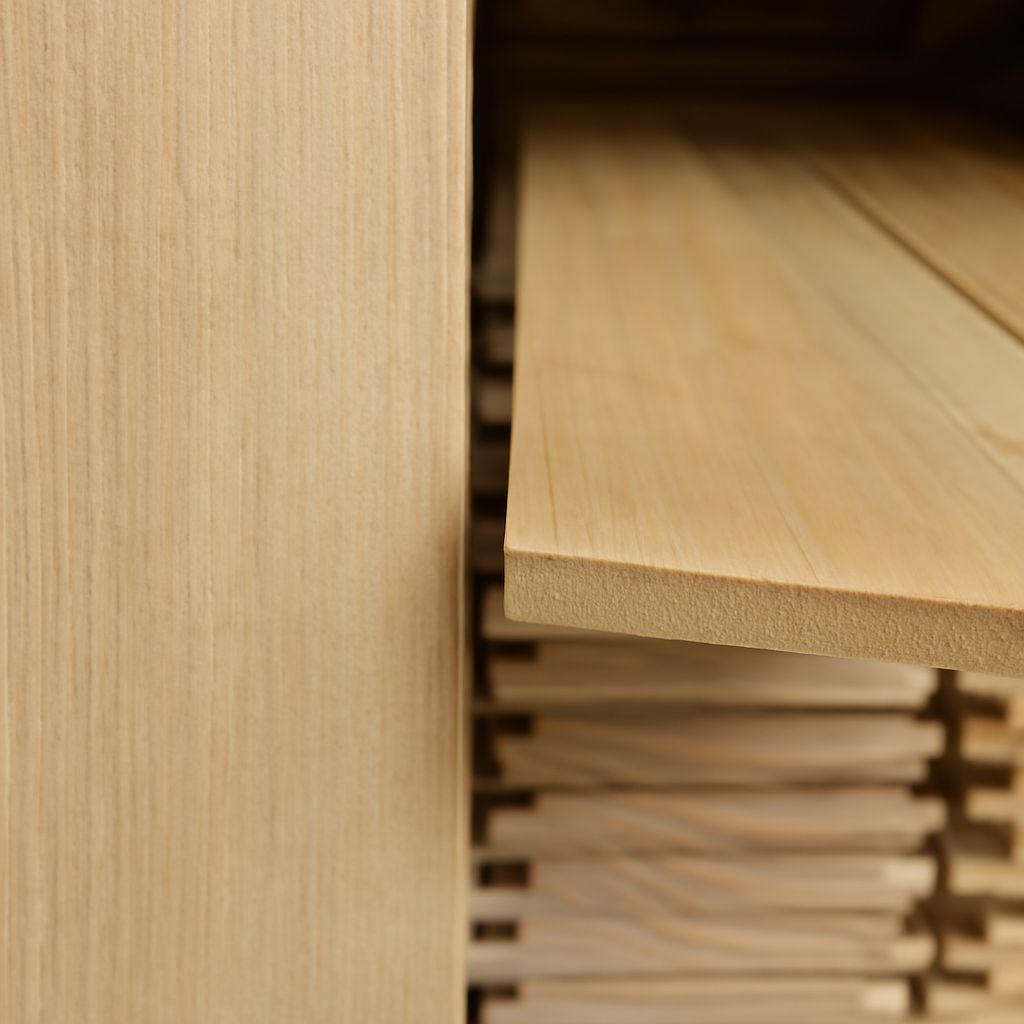
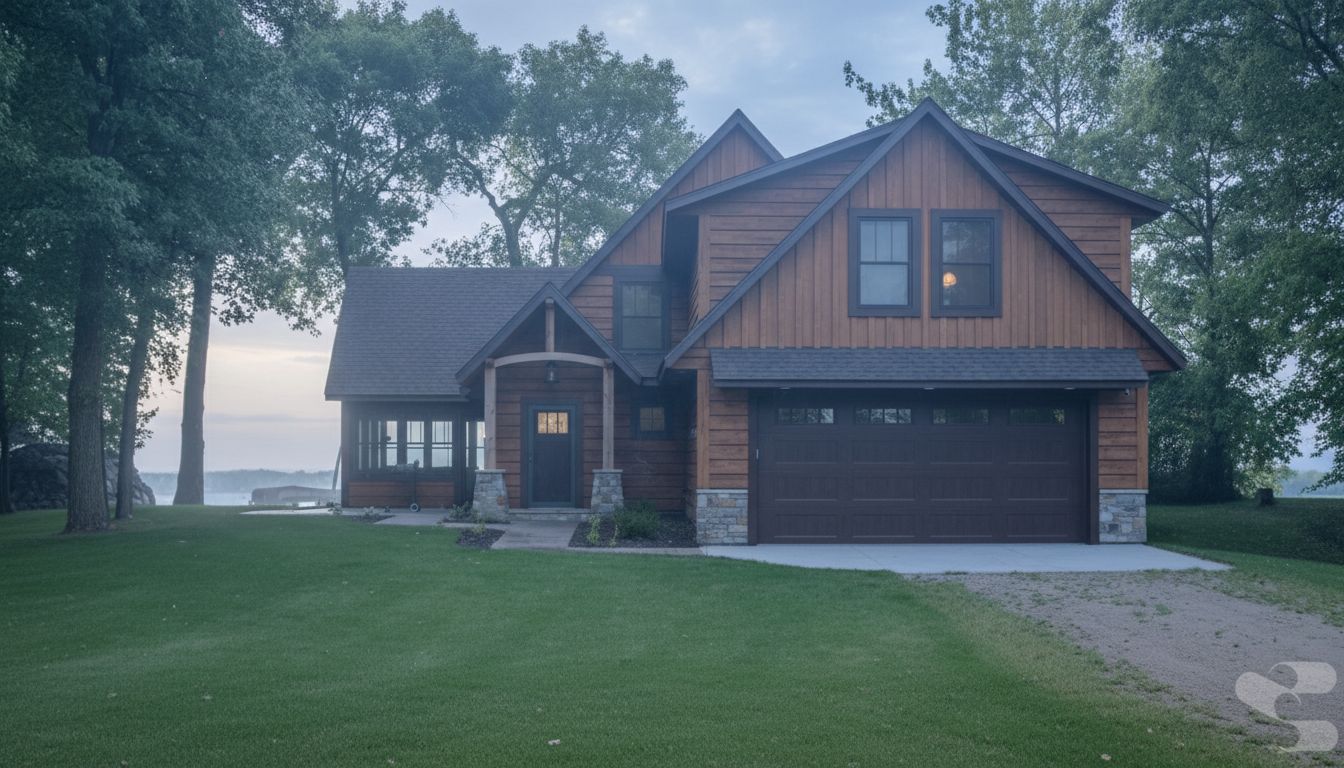
Beveled siding has been the standard horizontal cladding for American homes since colonial times. Beveled wood siding tapers from a thick bottom edge to a thin top edge, creating a distinctive shadow line where each course overlaps the one below. Bevel wood siding installs horizontally with the thick edge down and the thin edge tucked beneath the course above. Wood bevel siding is available in cedar, redwood, pine, and engineered wood composites. Beveled lap siding of any species requires proper back-priming, correct fastener type, and adequate overlap to deliver the weather resistance and longevity that makes it worth the investment.
This guide covers the main product types, the installation details that most affect long-term performance, and the maintenance schedule that keeps beveled siding looking good for decades.
Types of beveled siding
Cedar and redwood bevel siding
Western red cedar and redwood are the premium choices for beveled wood siding. Both species contain natural oils that resist rot and insect damage without treatment. Clear, knot-free grades produce the cleanest painted finish. Knotty grades cost less and accept stain well for a rustic appearance. Wood bevel siding in cedar or redwood comes in standard widths of 4, 6, 8, and 10 inches. Wider boards show more grain movement and are more prone to cupping if not properly back-primed and sealed on all edges before installation.
Engineered beveled lap siding
Engineered wood bevel siding blends wood fiber with resin under heat and pressure, creating a panel that resists swelling and warping better than solid wood. LP SmartSide bevel siding is the leading product in this category. It installs the same way as solid beveled wood siding but comes factory-primed and with a surface overlay that accepts paint readily. Engineered beveled lap siding carries a 50-year limited warranty in most product lines and requires fewer refinishing cycles than solid wood over its service life.
Fiber cement bevel siding
James Hardie HardiePlank and similar fiber cement beveled siding products are non-combustible, rot-proof, and insect-resistant. They do not technically qualify as wood bevel siding, but they replicate the profile and install the same way. Fiber cement beveled lap siding costs more per square foot than most wood options but has a lower lifetime maintenance cost.
Installing beveled wood siding correctly
Back-priming and edge sealing
Every piece of beveled wood siding must be primed on all six faces before installation, including the back. Unprimed backs absorb ground moisture and humidity, causing the board to swell unevenly and cup toward the painted face. Edge sealing with a flexible primer or end-cut sealer protects the cross-cut ends where sawing exposes raw fiber. Skipping these steps is the single most common cause of premature beveled lap siding failure.
Overlap and nailing
Standard overlap for wood bevel siding is 1 to 1.5 inches, meaning each course covers the top 1 to 1.5 inches of the course below. Overlap determines the exposed face width and the total number of courses needed. Nail through the face of the lower board near its bottom edge, about 1 inch from the lower edge, driving into the stud behind. Using ring-shank nails or hot-dipped galvanized fasteners prevents corrosion staining and provides better withdrawal resistance than smooth-shank nails.
Maintenance schedule for beveled siding
Inspect your beveled wood siding annually for cracking, peeling paint, swelled joints, and soft spots that indicate rot. Caulk gaps at butt joints and around penetrations as soon as they open. Sand back any peeling areas to bare wood, spot-prime, and top-coat within a few weeks to keep moisture out. Plan a full repaint or restain every six to ten years depending on sun exposure. South-facing walls in hot climates need attention at the shorter end of that range.
Next steps
Before ordering beveled siding materials, confirm the framing spacing on your wall. Studs at 24 inches on center require thicker boards or an intermediate nailing strip to keep beveled lap siding from flexing between attachment points. Choose fasteners appropriate to your siding species and finish type. Stainless-steel nails are the best choice for cedar because they eliminate tannin staining. Set a calendar reminder for your first post-installation inspection at 6 months to catch any early issues before they worsen.