What Is a Roofing Square? How to Calculate and Use It
What is a roofing square is a question every homeowner faces the first time they read a contractor estimate or buy roofing materials. A roofing square is a unit of area measurement. How many square feet in a roofing square? Exactly 100 square feet. Roofing squares give contractors and suppliers a convenient shorthand for discussing large roof areas without handling unwieldy numbers. A square of roofing material whether shingles, metal panels, or underlayment always covers 100 square feet of roof surface. Knowing what is a square of roofing lets you read quotes accurately, order materials without under-buying, and verify that contractor bids cover the same scope.
This guide explains how to calculate roofing squares for your own roof, how material quantities relate to squares, and the waste factor you should always include.
How to calculate roofing squares
Measure each flat section of your roof. For a simple gable roof, measure the length and the sloped width of each side. Multiply length by width for each section and add the results together. Divide the total square footage by 100 to get the number of roofing squares. A 2,000-square-foot ranch house with a simple gable roof typically has 2,200 to 2,800 square feet of roof surface when the slope is factored in, giving 22 to 28 roofing squares of coverage needed.
Slope factor and its effect on roofing squares
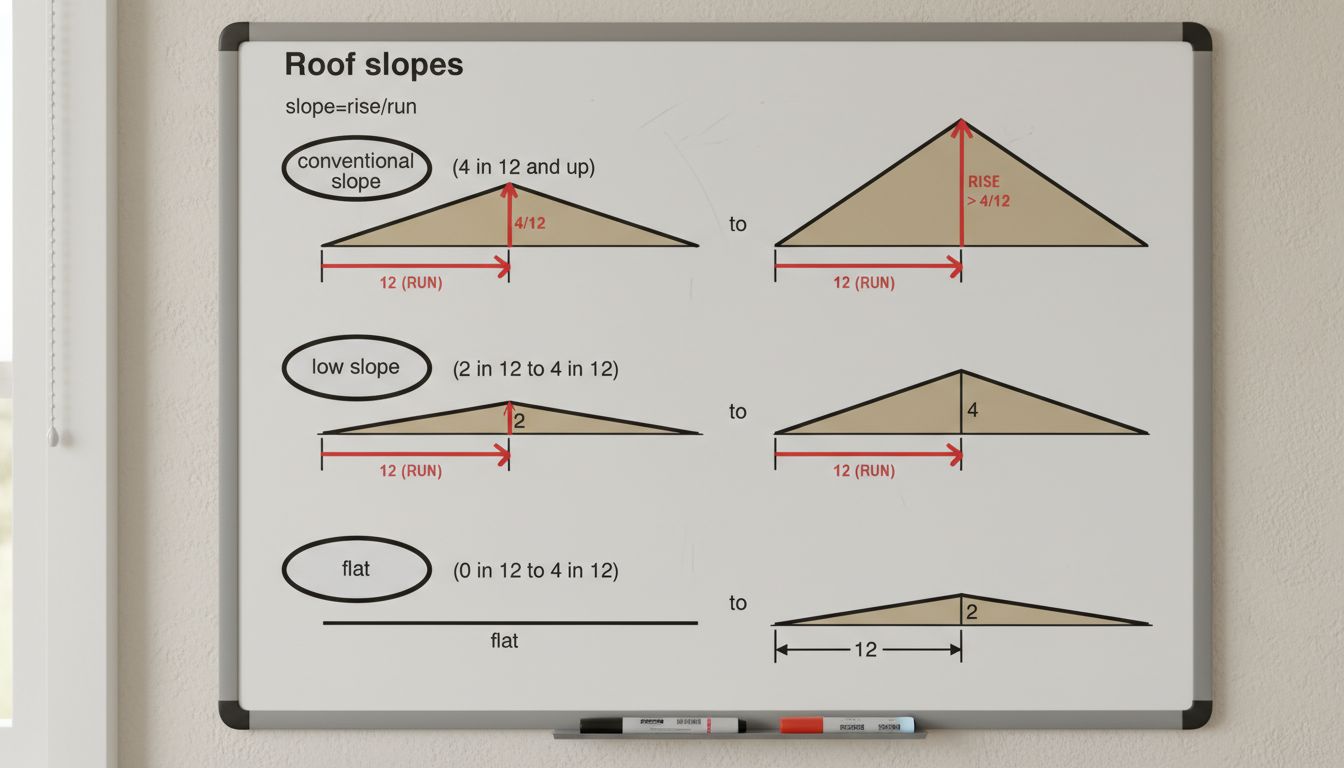
Roof slope multiplies the flat plan area. A 4:12 pitch (4 inches of rise per 12 inches of run) has a slope multiplier of 1.054. A steeper 8:12 pitch uses a multiplier of 1.202. To account for slope, multiply your flat plan area measurement by the appropriate slope factor before dividing by 100 to get actual roofing squares. Steep roofs contain significantly more roofing squares than a flat-plan measurement suggests, which is one reason contractors charge more per square of roofing on steep-pitched installations.
How many bundles make a roofing square
Standard three-tab shingles require three bundles per roofing square. Most architectural shingles also require three bundles per square, though some heavier laminated products use four bundles to the square. Ask your supplier how many bundles per square for the specific product you are ordering. Multiply your roofing squares count by three or four to get total bundle quantity, then add 10 percent for waste and cuts.
Waste factor and ordering extra
A standard waste allowance of 10 percent covers normal cutting waste on a simple roof. Complex roofs with multiple valleys, hips, and dormers generate more waste and need 15 to 20 percent added. A square of roofing underlayment covers 100 square feet, same as the shingle square, but starter strips and ridge cap material are calculated separately. Your roofing contractor’s material list should itemize squares of field shingles, starter squares, and ridge cap linear feet as separate line items.
Next steps
Use a roofing calculator app or a simple spreadsheet to calculate your roof’s total roofing squares before meeting with contractors. Cross-check each bid against your own square count to confirm that proposals are based on the same roof area. A bid that comes in significantly lower than others may be calculating fewer squares, using a lower waste factor, or excluding certain sections of the roof from the scope.