Vinyl Cedar Shake Siding: A Practical Buyer’s Guide
Vinyl cedar shake siding gives your home the rugged, textured look of real wood without the rot, insect damage, or repainting every few years. Cedar shake vinyl siding has improved dramatically — modern panels use deep-embossed profiles and multi-tone color blends that read convincingly as real wood at conversational distance. If you’re drawn to the character of vinyl shingle siding but want a low-maintenance exterior, this material is worth understanding before you buy. Vinyl siding shakes come in a range of profiles, and vinyl shake shingles vary in quality from entry-level commodity panels to premium double 7-inch products.
What Is Vinyl Cedar Shake Siding
How It Differs from Real Cedar
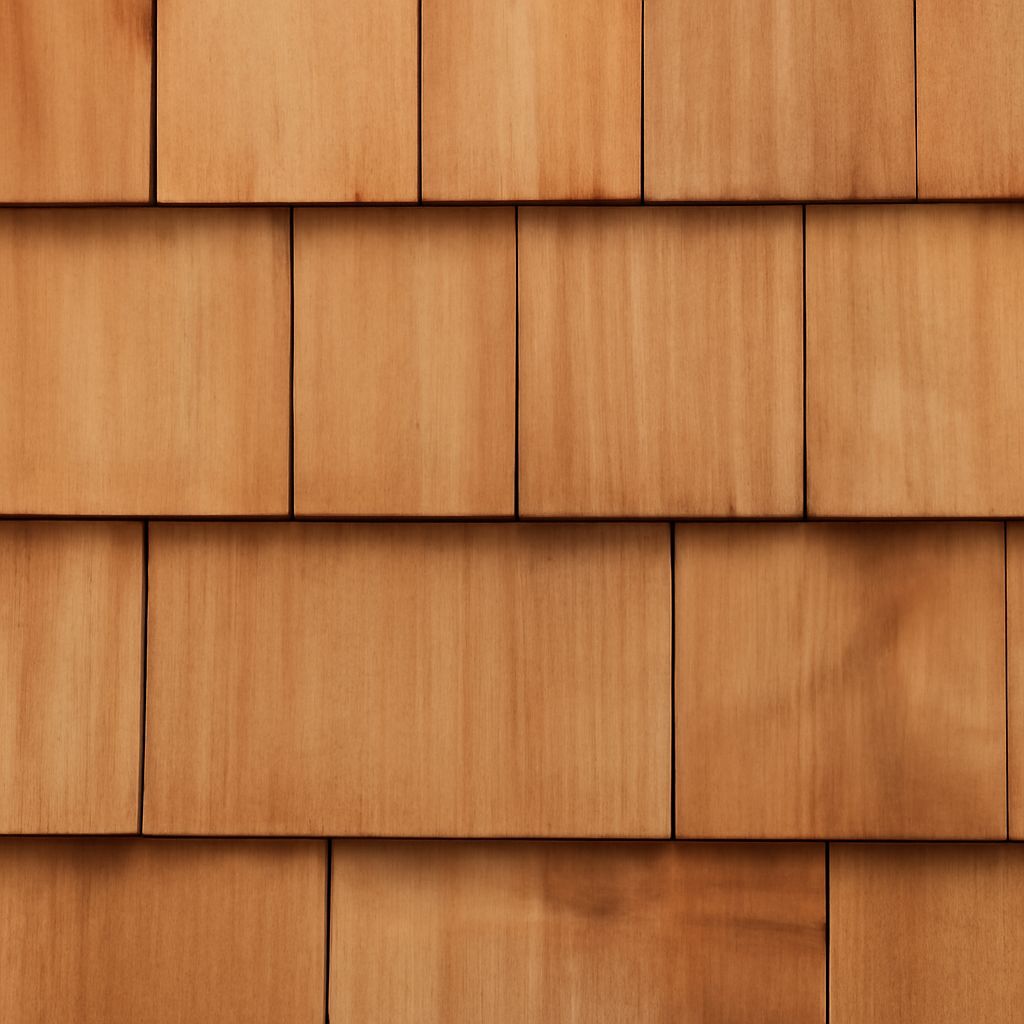
Real cedar shakes are hand-split wood pieces installed individually, which creates natural variation in thickness and texture. Manufactured cedar shake siding in vinyl replicates that split-face look through molded relief patterns. The key difference is maintenance: real cedar needs staining or painting every three to five years, while the vinyl version holds its color for decades with only occasional washing. Vinyl also won’t crack, split, or absorb moisture the way wood does in freeze-thaw climates.
Common Panel Profiles
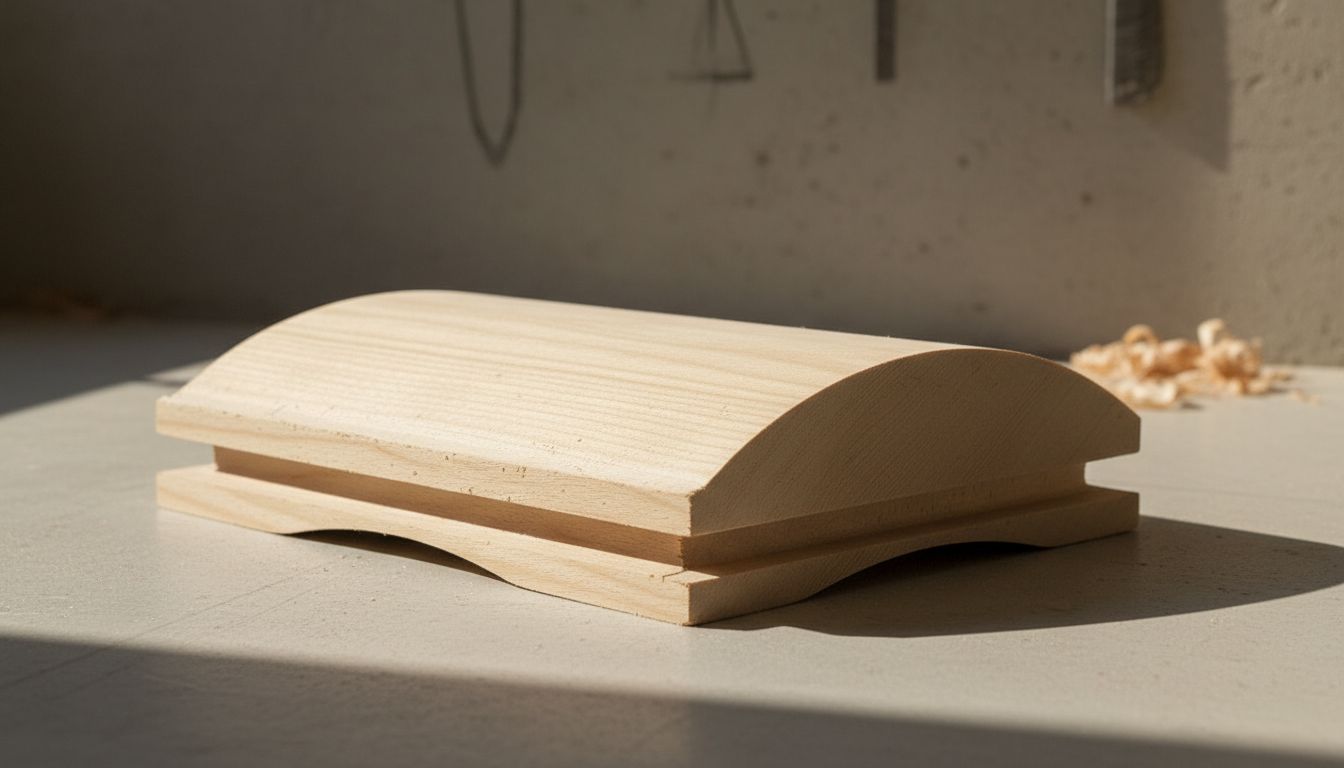
The most popular profile for shake siding vinyl panels is the double 7 — two rows of 7-inch exposure per panel. Single 9-inch and double 5-inch profiles also exist. Some manufacturers offer staggered-butt profiles that mimic the uneven bottom edge of hand-split wood, adding more visual depth. Half-rounds, straight-edge, and fish-scale panels all fall under the broader category of vinyl shingle siding used as accents on gable ends, dormers, and upper stories.
Vinyl Shingle Siding Costs and Styles
Material costs for cedar shake siding made of vinyl run $2 to $5 per square foot, with premium products reaching $7 or more for thicker, insulated panels. Installation adds $3 to $6 per square foot depending on your region, story height, and whether existing siding needs removal. A 2,000-square-foot home typically uses 1,500 to 1,800 square feet of siding once windows, doors, and overlaps are accounted for.
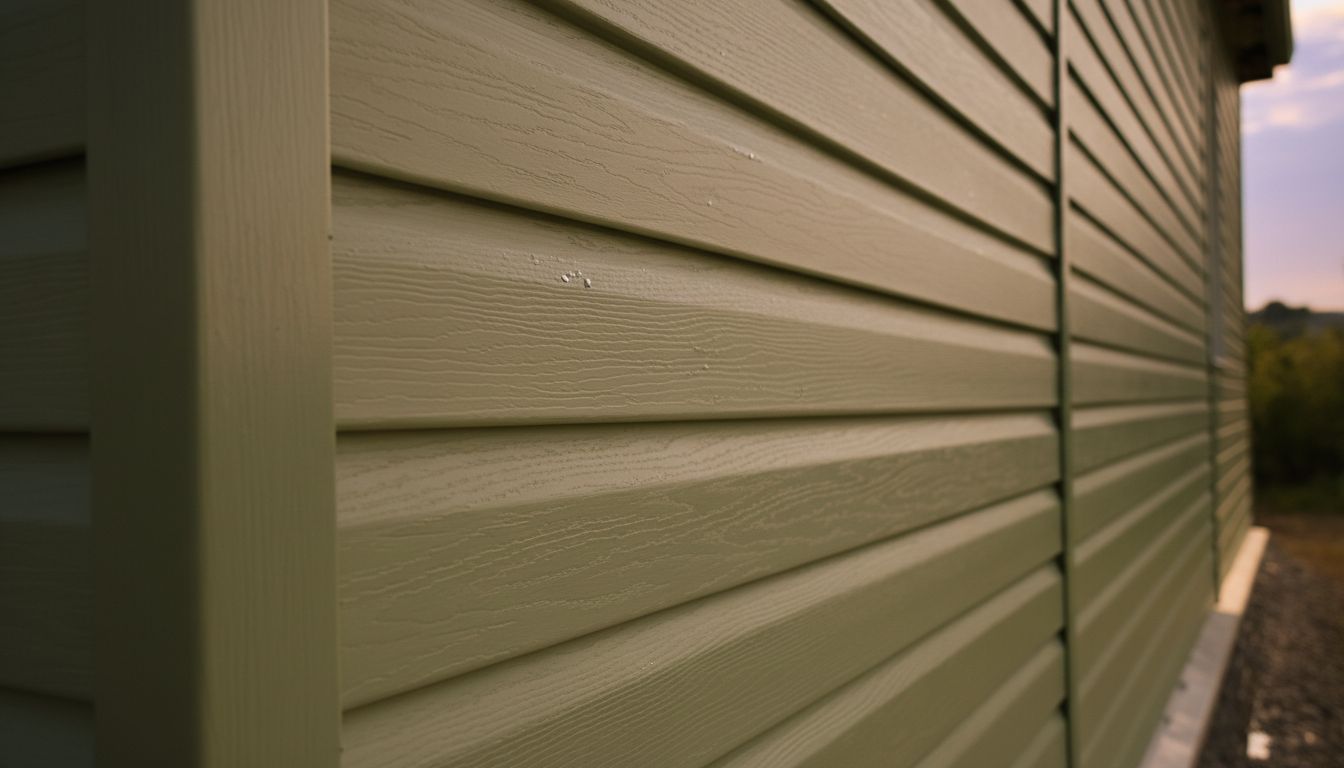
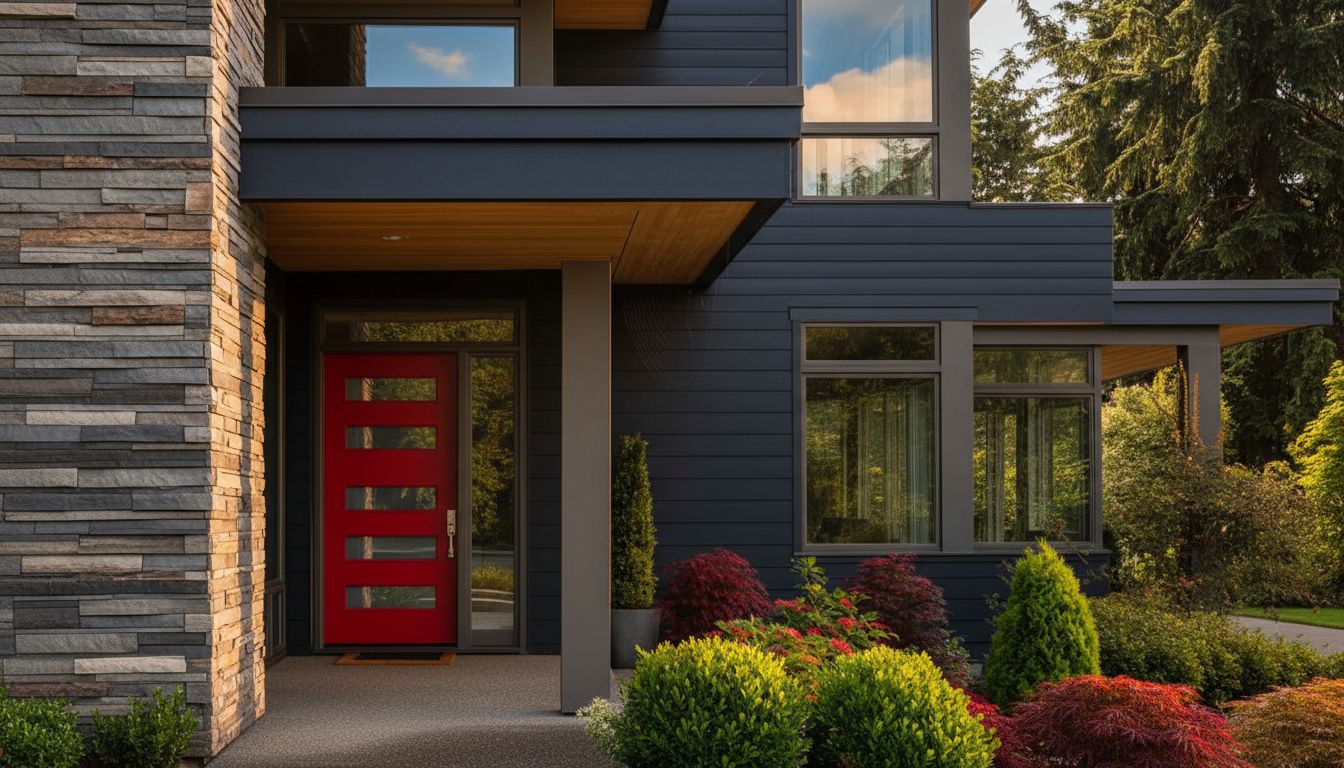
Color selection is wider than most homeowners expect. Beyond the traditional cedar tones — warm browns, grays, and weathered cedar — manufacturers offer painted vinyl shakes in deep blues, greens, and near-blacks that work well with contemporary architecture. Most brands factory-apply color through the full thickness of the panel, so minor chips or scratches don’t expose white substrate.
Installing Vinyl Siding Shakes
Tools and Prep
Installing shake vinyl panels requires the same basic toolkit as standard horizontal siding: a tin snips or siding shears, a snap-lock punch, a utility knife, a level, and a chalk line. You’ll also need a starter strip and J-channel for window and door perimeters. Sheathing must be flat and solid — vinyl shakes telegraphing wavy or uneven sheathing will look worse than traditional lap siding because the panel thickness adds visual weight.
Nailing and Overlap
Nail through the nailing slot, not through the panel face. Leave a 1/32-inch gap at each nail so the panel can expand and contract thermally. Over-nailing causes buckling in summer heat. Follow the manufacturer’s recommended overlap at panel ends — typically 1 inch minimum. At inside and outside corners, use purpose-made corner pieces rather than cutting panels at angles. Properly fitted corners make the installation look professional and prevent water infiltration.
Maintaining Vinyl Shake Shingles
Cleaning vinyl shake shingles is straightforward. A garden hose with a spray nozzle handles most dirt and pollen. For stubborn stains — mold, mildew, or oxidation — a soft brush with a diluted vinyl siding cleaner or a 30% white vinegar solution works without damaging the surface. Avoid pressure washers set above 1,500 PSI or held closer than 12 inches; the high pressure can force water behind panels or crack aged vinyl.
Inspect the siding annually for loose panels, gaps at corners, and any cracking or fading in high-sun exposures. Replacement panels are available in most standard colors, but colors can shift slightly over time, so keeping a few spare panels from the original installation makes future repairs much less visible.
Bottom line: Vinyl cedar shake siding is a proven performer that offers real wood aesthetics without the maintenance burden. Buy from a reputable manufacturer, verify the installation crew has experience with shake profiles specifically, and you’ll have a durable exterior that holds its look for 30 or more years.