Bathroom Drywall: Which Type to Use and How Thick
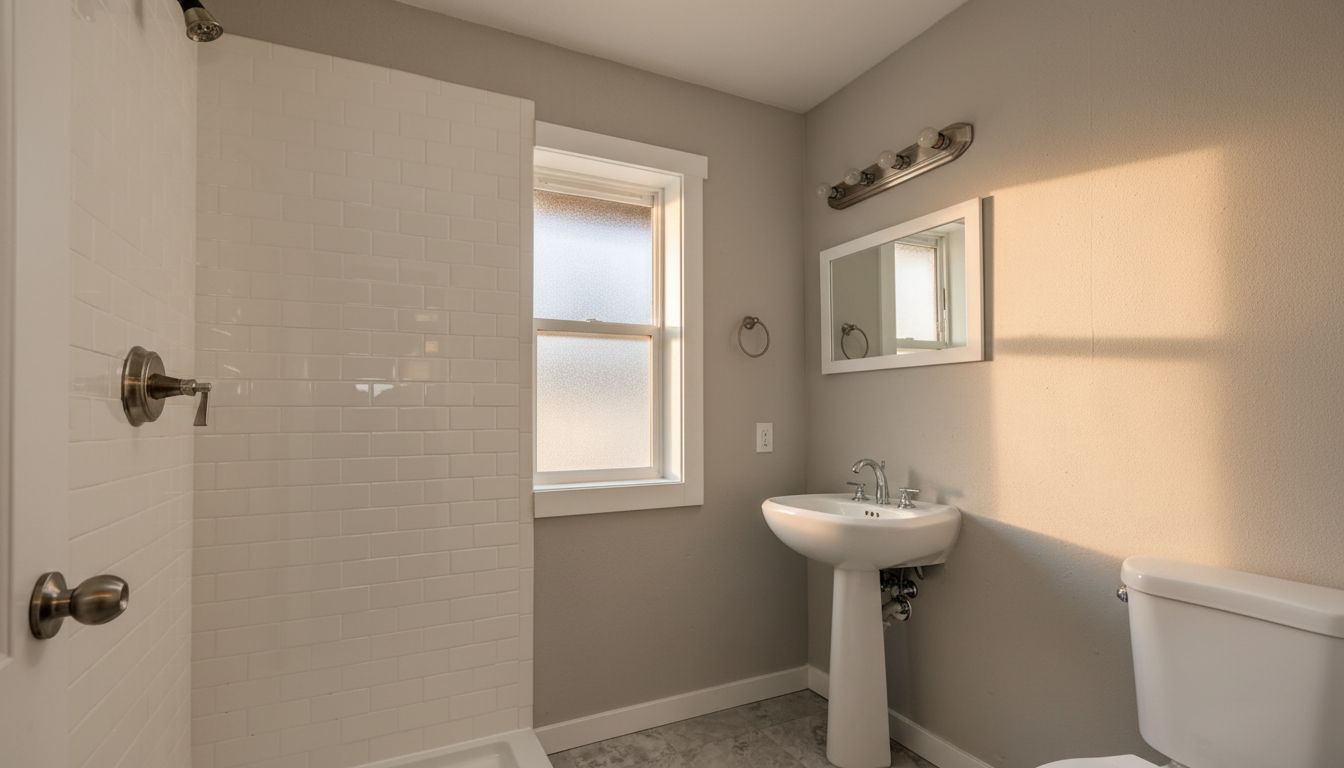
Bathroom drywall isn’t the same as what goes on your living room walls. High humidity, steam from showers, and the occasional splash make standard drywall a poor choice in wet areas. Knowing what kind of drywall for bathroom use is required — and understanding the thinnest drywall options that still meet code — keeps your walls looking solid for years instead of bubbling and growing mold within months. Using the wrong drywall bathroom material is one of the most common mistakes in bathroom renovations.
Why Bathroom Drywall Is Different
Moisture and Humidity Challenges
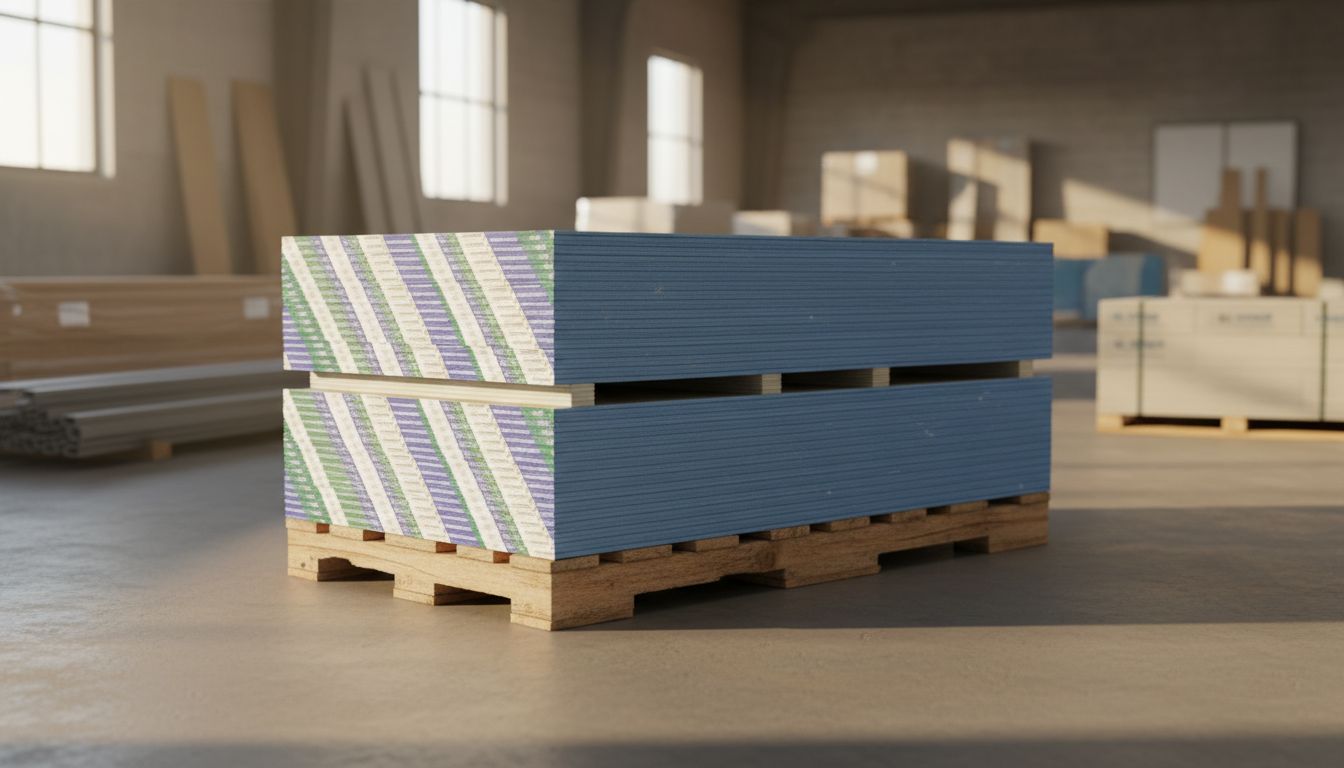
Standard drywall has a paper face that absorbs moisture readily. In a bathroom, that absorption leads to mold growth inside the gypsum core, wall softening, and eventual failure behind tile or paint. A shower room can reach near-100% relative humidity during use, and that moisture doesn’t fully dissipate before the next shower. The cumulative exposure adds up fast. Moisture-resistant drywall for bathroom walls uses a fiberglass face mat or treated paper that dramatically slows water absorption compared to regular gypsum board.
Code Requirements
Most building codes require moisture-resistant drywall in all bathroom areas, and cement board or a similar non-paper-faced backer in any wet zone — meaning within the shower or tub surround itself. Standard greenboard (moisture-resistant gypsum) isn’t rated as a tile substrate in direct wet zones; it’s for areas that get occasional moisture splash but not direct water exposure. Always check local code before framing and drywalling a bathroom renovation.
What Kind of Drywall for Bathroom Walls
Green Board vs Cement Board
Green board is moisture-resistant gypsum drywall with a treated face paper. It’s appropriate for bathroom walls outside the wet zone — above the tile line on non-shower walls, behind vanities, and on the ceiling in bathrooms with exhaust fans. It costs slightly more than standard drywall in bathroom use, but the moisture resistance is worth the premium in these areas.
Cement board — products like Durock or HardieBacker — is a fiberglass-reinforced cement product that’s completely unaffected by water. It’s the correct substrate for tiled showers, tub surrounds, and any drywall application in the bathroom where tile will be applied directly. It’s heavier and harder to cut than gypsum board, but nothing outperforms it where water contact is constant.
Thinnest Drywall That Still Works
The thinnest drywall available is 1/4 inch, used primarily for curved walls and re-facing over existing surfaces. For bathroom applications, 1/2-inch drywall is the minimum practical thickness for standard stud spacing of 16 inches on center. The thinnest drywall viable for a full bathroom wall — given standard framing, moisture-resistant type, and tile weight if applicable — is 1/2 inch for non-wet zones. In a wet zone with tile, cement board thickness starts at 1/4 inch but 1/2 inch is more common because it better handles the tile and grout load.
Installing Drywall in Bathroom Areas
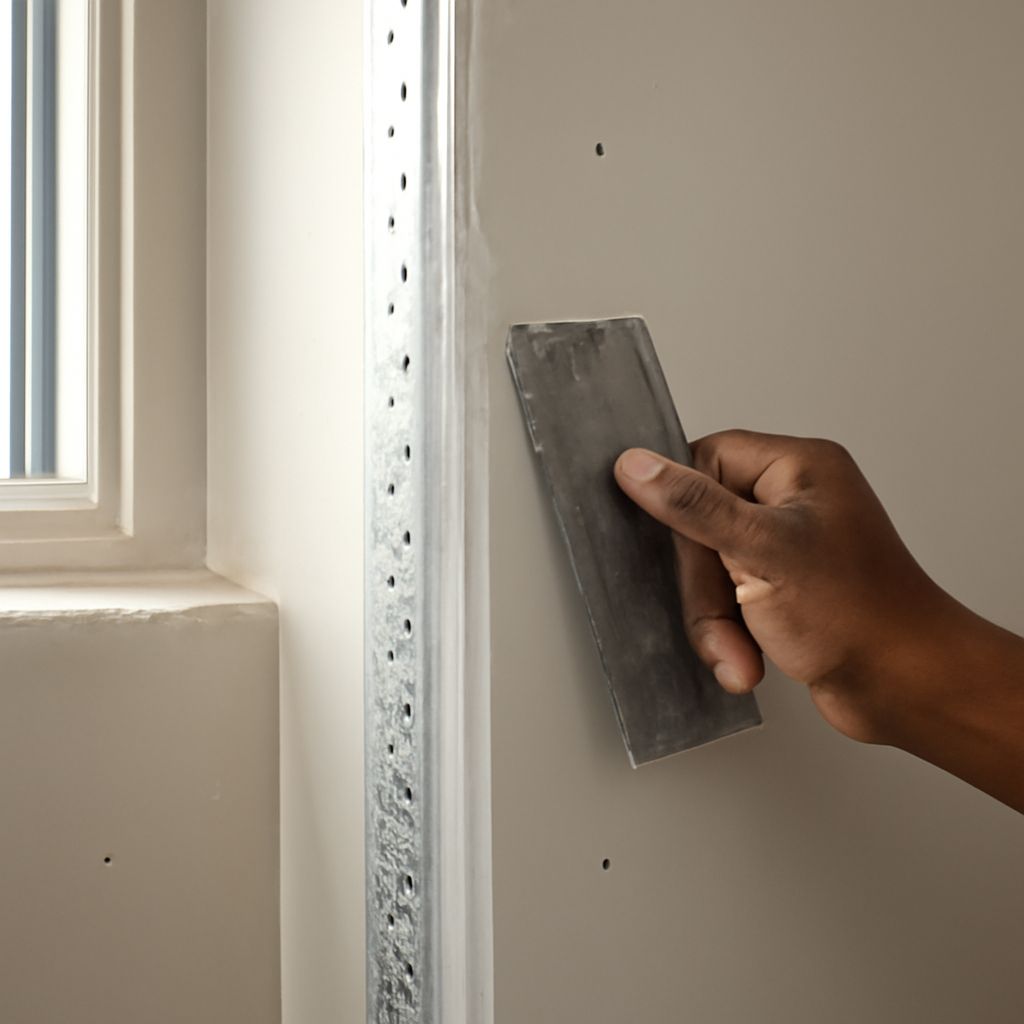
When hanging drywall in bathroom spaces, keep all cut edges sealed with joint compound or caulk, especially at the floor line and around any penetrations. Exposed gypsum edges absorb moisture faster than the faced surface. Tape and mud all seams before painting or tiling — skipping this step on a bathroom ceiling or moisture-prone wall leads to peeling paint and open joints within a year.
Stagger horizontal seams and avoid placing vertical seams directly over shower valve or window rough-in openings where settling stress concentrates. In ceilings over high-humidity showers, consider 5/8-inch moisture-resistant gypsum for the added rigidity — thinner panels can sag over time when repeatedly exposed to steam.
Bottom line: Use moisture-resistant drywall in bathroom areas, cement board in direct wet zones, and match the thickness to your framing and load requirements. Don’t try to save money by using standard drywall in a bathroom — the repair cost a few years later far exceeds the few dollars saved per sheet.