Vinyl Shake Siding: Colors, Styles, and Installation Guide
Vinyl shake siding delivers the texture and dimension of real wood shakes without the maintenance demands that come with natural wood. Shake vinyl siding products have improved to the point where many profiles are convincing at close range, with deep-relief surfaces and blended color palettes that mimic weathered cedar. If you’re picking vinyl shake siding colors, you’ll find a surprisingly wide range from traditional warm cedar tones to cool contemporary grays. Siding shakes in vinyl form work on full house exteriors or as accent panels on dormers and gable ends. Vinyl siding shingles are the narrower profile version of the same product, used in Victorian and craftsman-style designs.
What Sets Vinyl Shake Siding Apart
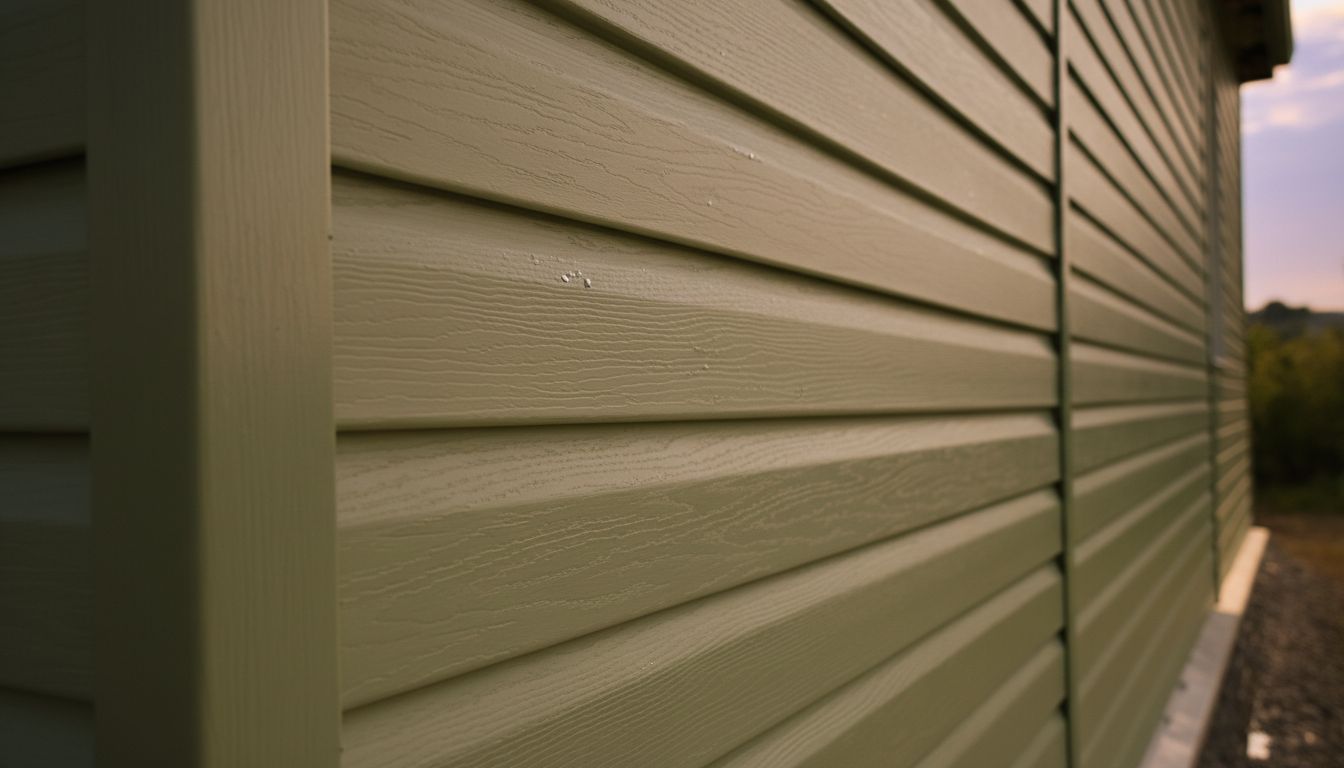
The profile is what distinguishes shake siding in vinyl from standard horizontal lap panels. Shake profiles have a thicker bottom edge and a tapered top, creating a dimensional look with shadow lines that give the wall depth and visual texture. Better products use multi-step color printing that places lighter and darker tones within the same panel, so the surface looks like individual wood pieces rather than a uniform stamped pattern.
Vinyl shake panels install in horizontal courses, either as double 7-inch exposure panels or in single staggered-bottom profiles. Staggered-butt vinyl shakes add visual interest by varying the bottom edge slightly, which is closer to how real hand-split shakes look on a wall. This is a design choice, not a functional one — both lay flat and shed water equally well.
Vinyl Shake Siding Colors and Selection
Standard shake vinyl siding colors include natural cedar (golden amber), weathered cedar (warm gray), aged redwood, and driftwood gray. Extended palette options from premium manufacturers add darker tones — deep charcoal, slate gray, and near-black — that work well with modern and industrial architectural styles. Some manufacturers also offer painted shake colors in greens, blues, and clay tones.
When choosing colors for your vinyl shake panels, view physical samples in natural light against your home’s trim, roof, and masonry before deciding. Computer renderings and online photos rarely capture how a siding color reads in your specific sun exposure. Request full-size color samples from your supplier rather than relying on small chips.
Installing Shake Panels on Your Home
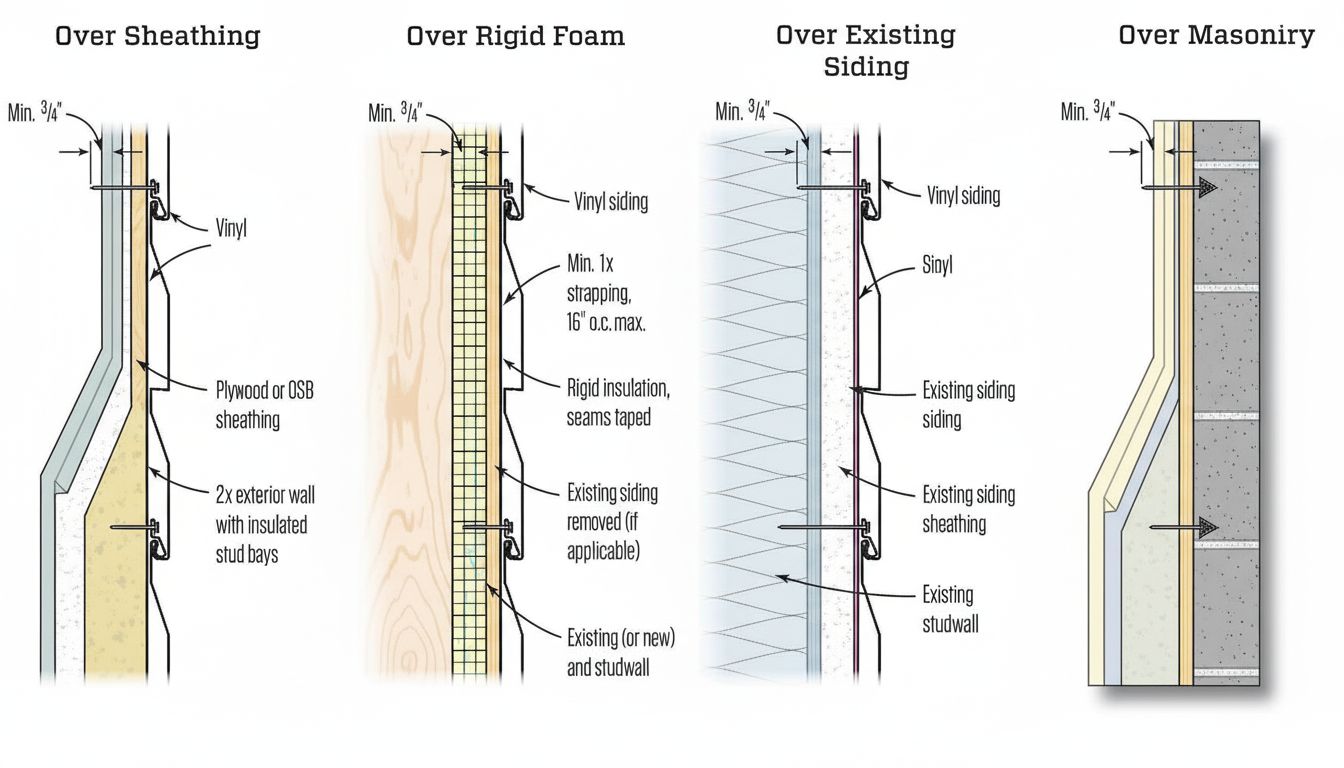
Installation starts with a continuous starter strip at the bottom course, set level. From there, each course of shake siding overlaps the top of the course below and locks into the panel above. Nailing through the elongated slots — not through the panel face — allows the vinyl to expand and contract with temperature changes. Over-nailing or face-nailing causes panel buckling in summer heat.
Corners get dedicated inside and outside corner posts before the shake courses begin. J-channel trims window and door perimeters. At gable ends or dormers where vinyl siding shingles are used as accent panels, the transition between horizontal lap siding below and shake panels above needs a band board or trim piece to create a clean visual break.
Maintaining Vinyl Siding Shingles
Vinyl shake siding needs minimal upkeep. Washing once a year with a garden hose and a mild detergent removes pollen, mildew, and road dust. Use a soft-bristle brush for stubborn oxidation or mold spots — not a pressure washer at close range, which can crack aged vinyl and force water behind the panels.
Inspect annually for loose panels, gaps at corner posts, and any cracking from impact damage. Replace damaged panels promptly — a missing or broken shake panel exposes the sheathing below to moisture. Most manufacturers sell individual replacement panels in standard colors, but color matching older installations is easier if you keep a few spare panels from the original job.
Bottom line: Vinyl shake siding holds up well for decades with minimal care, delivers strong curb appeal, and costs less to maintain than wood over its lifetime. Match the profile and color to your home’s architecture and you get a product that looks intentional rather than like a substitute material.