Reflective Insulation: How It Works, Types, and Installation
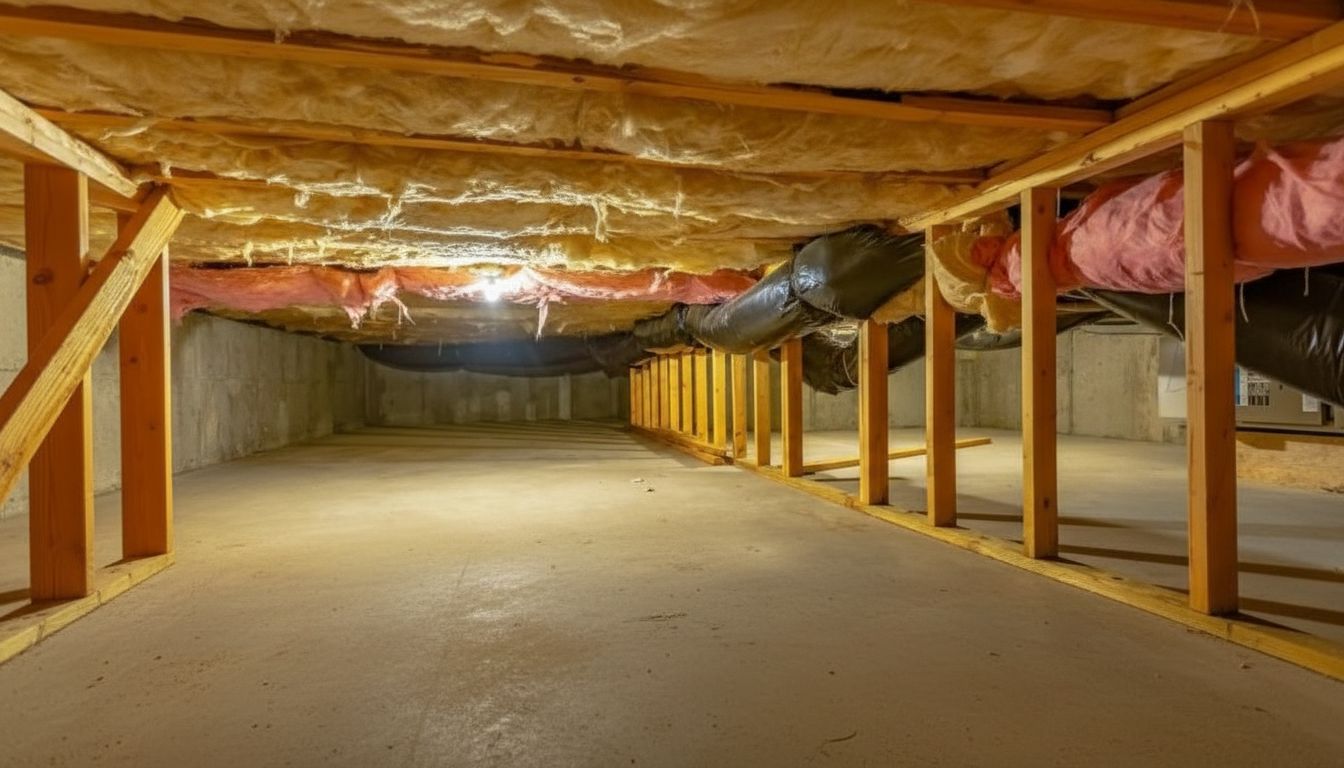
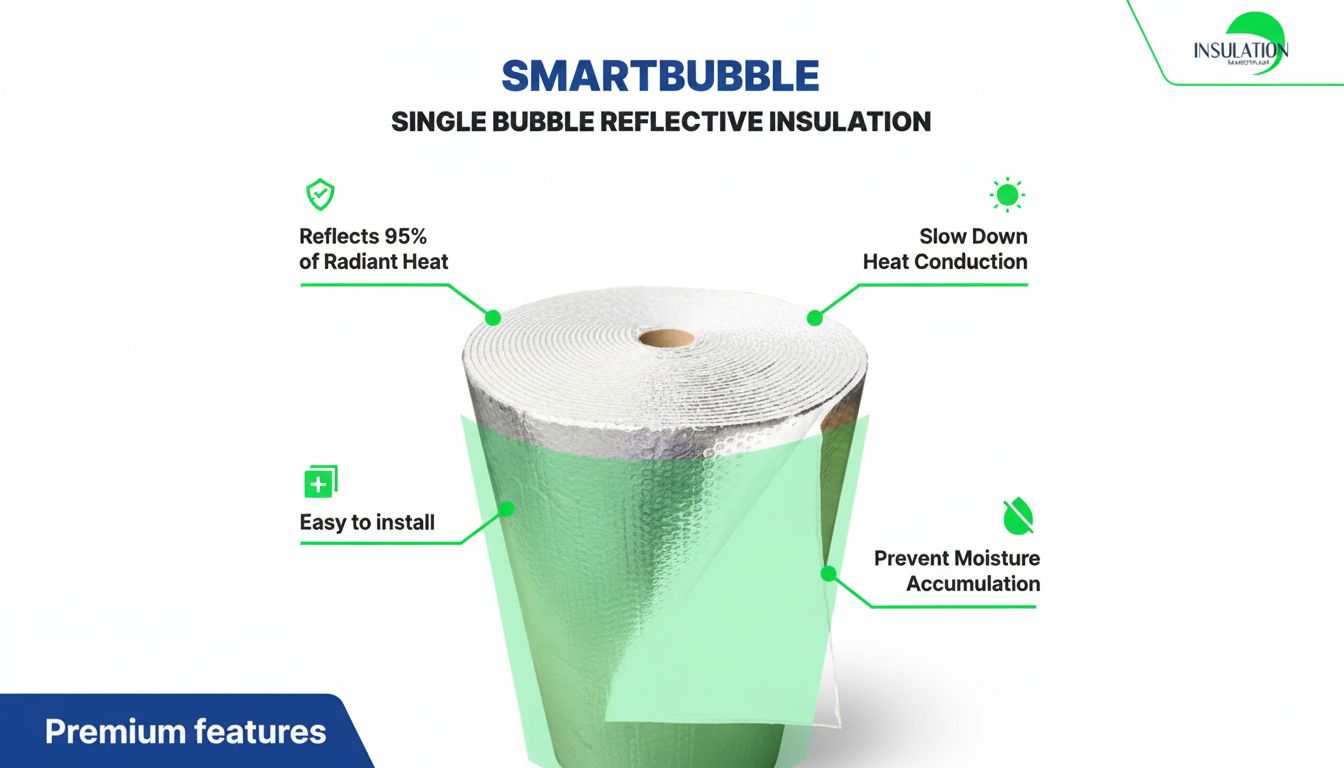
Reflective insulation is a category of thermal barrier products that reduce heat transfer by reflecting radiant energy rather than absorbing it. A reflective insulation roll typically combines a foil facing with foam, bubble, or kraft paper backing, depending on the application. Foil insulation rolls are the most common form used in residential construction for attics, garages, and metal buildings. Reflective foam insulation adds rigid insulating value to the reflective barrier function. Reflective roll insulation is the flexible format — cut-and-staple or peel-and-stick — that works well in irregular spaces like crawl spaces and rafter bays. Understanding where each type performs best helps you choose the right product for your specific situation.
How Reflective Insulation Works
Radiant vs Conductive Heat Transfer
Heat moves through buildings in three ways: conduction (through solid materials), convection (through air movement), and radiation (through electromagnetic waves). Standard batt and blown insulation slows conductive heat transfer through walls and ceilings. Reflective barriers address radiant heat, which travels in straight lines and is absorbed by any dark or non-reflective surface it strikes.
In summer, solar radiation heats your roof surface and radiates downward into the attic. A foil reflective barrier installed under the roof deck or above the attic floor bounces that radiant energy back up before it reaches the living space. In winter, the same foil reflects interior heat back toward the living space rather than letting it escape upward through the attic floor.
The Air Gap Requirement
Reflective insulation needs at least a 3/4-inch air gap on one side of the foil face to function. Without the air gap, the foil conducts heat through contact rather than reflecting it. This is the most common installation mistake with roll foil insulation — stapling it flat against rafters or joists without leaving space for the air gap to develop. Always follow the manufacturer’s installation instructions, which specify gap requirements for each product.
Types of Reflective Insulation Rolls
Foil Bubble Rolls
Double-faced foil bubble insulation has polyethylene bubble core layers between two reflective foil faces. It’s lightweight, flexible, and easy to cut and handle. The R-value of reflective insulation roll products in this category runs from R-8 to R-14 when installed with proper air gaps. These are the products commonly marketed for garage doors, metal building interiors, and crawl space floors.
Foil-Faced Foam Board
Reflective foam insulation combines rigid polyisocyanurate or polyurethane foam with a foil facing on one or both sides. The foam provides conductive R-value (R-6 to R-8 per inch) while the foil face handles radiant reflection. This combination makes foil-faced foam board effective as a stand-alone insulation system in mild climates and as a thermal break in wall and roof assemblies in colder regions. It’s stiffer and heavier than roll products but offers higher total system R-value.
Installing Reflective Roll Insulation
For attic applications, roll out reflective insulation across the attic floor with the foil face up, creating a radiant barrier between the attic and the roof. Overlap seams by 2 to 3 inches and tape with foil tape. In a rafter-bay application, staple the roll between rafters with a gap between the foil face and the roof deck — do not staple flat against the decking.
In garages and metal buildings, install foil roll insulation on the interior face of wall panels or overhead doors with the foil facing the interior and a minimum 3/4-inch gap. Use cap nails or staples with fender washers to secure without tearing the facing material.
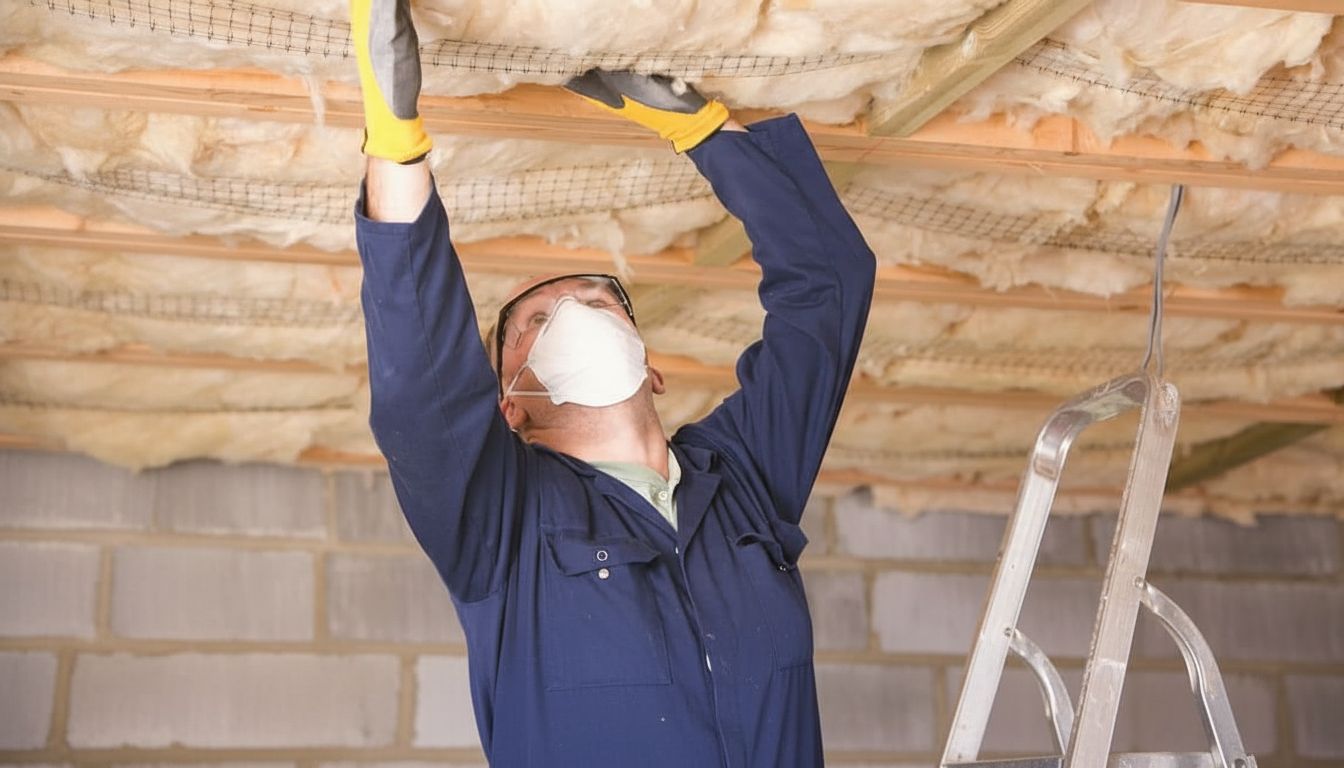
Safety recap: When cutting foil insulation roll products, wear gloves — edges are sharp. In attic installation work, watch your footing on ceiling joists, use proper attic lighting, and never step between joists onto drywall below. Work in cool morning hours in summer attics where heat builds quickly.