Chinese Outlets, 220V Outlets, and Hidden Backsplash Outlet Styles
Chinese outlets refer to the Type I plug system used in China, Australia, and a handful of other countries — a three-flat-pin arrangement that’s incompatible with North American Type A and B outlets without an adapter. The term also comes up colloquially in discussions about low-cost outlets manufactured in China that appear in budget-conscious building projects. 220 outlets power high-draw appliances in the US — dryers, ranges, EV chargers, and air conditioning equipment. Hidden outlets are a design trend for kitchen backsplashes and bathroom countertops where concealing the receptacle preserves clean sightlines. 220v outlets and backsplash outlets each require specific code compliance and installation knowledge before you touch the wiring.
Understanding Chinese Outlets and Import Compatibility
Type I vs North American Outlets
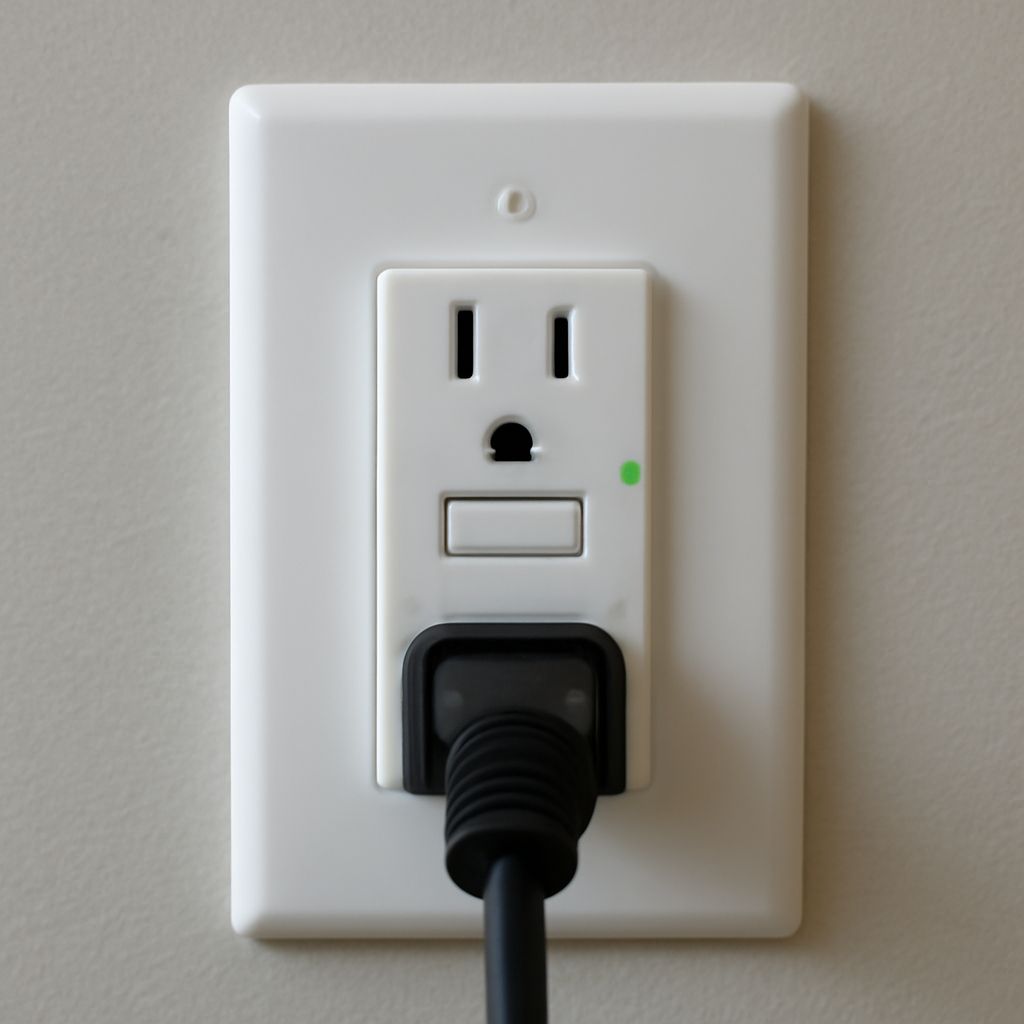
In China, Australia, and New Zealand, the standard outlet is Type I — two or three angled flat pins arranged in a V or triangle pattern. North American homes use Type A (two vertical flat prongs) and Type B (two flat prongs plus a round ground pin). These systems are not compatible without an adapter. If you’re renovating a home and encounter unusual outlet configurations — this happens in homes built by owners from countries that use different electrical standards — the correct solution is replacement with UL-listed North American receptacles, not adapters permanently wired in place.
Quality Concerns with Imported Outlets
Some budget construction projects use outlets sourced from overseas manufacturers that don’t carry UL, ETL, or CSA listings. Non-listed electrical devices aren’t code-compliant and may not pass inspection. When purchasing outlets and switches, verify the listing mark on the device. Using listed products from reputable manufacturers isn’t just a code requirement — it’s the practical safeguard against heat damage, arc faults, and fire in your walls.
220V Outlets: What They Power and How They’re Wired
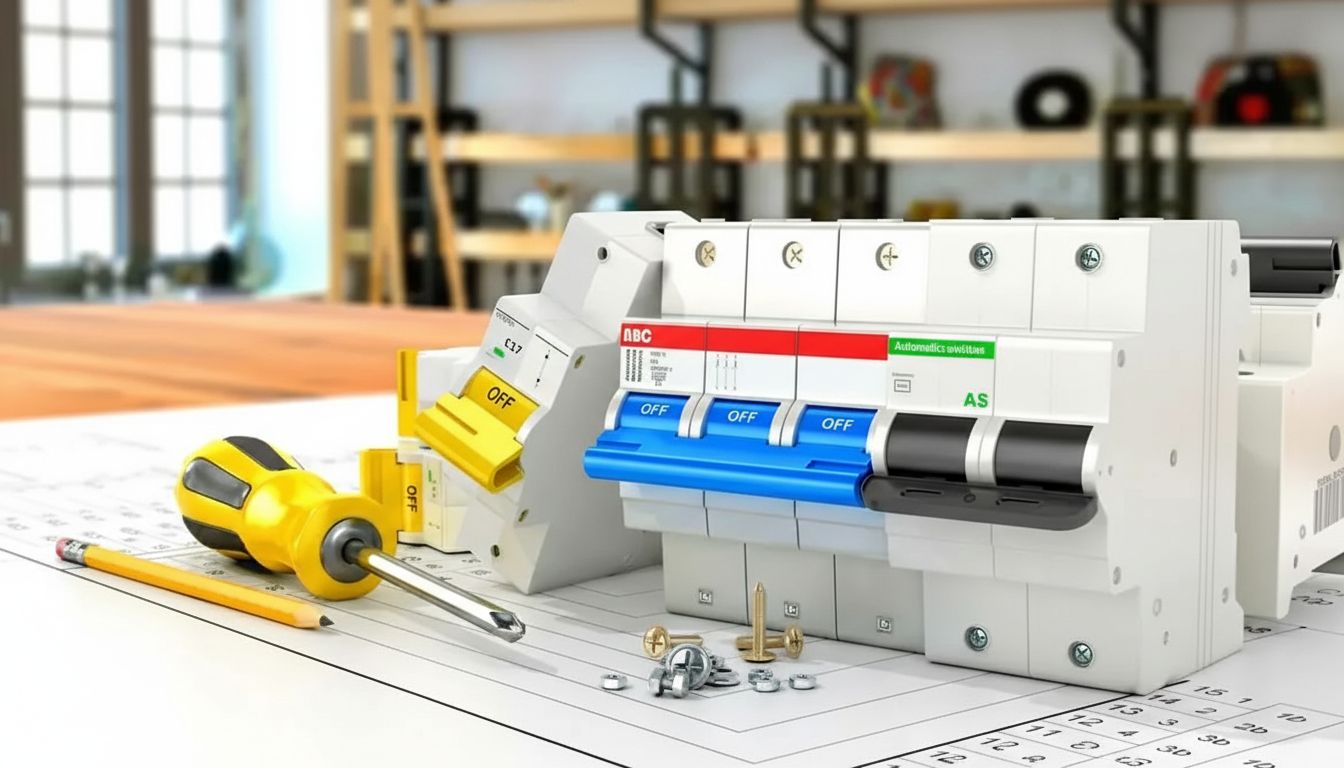
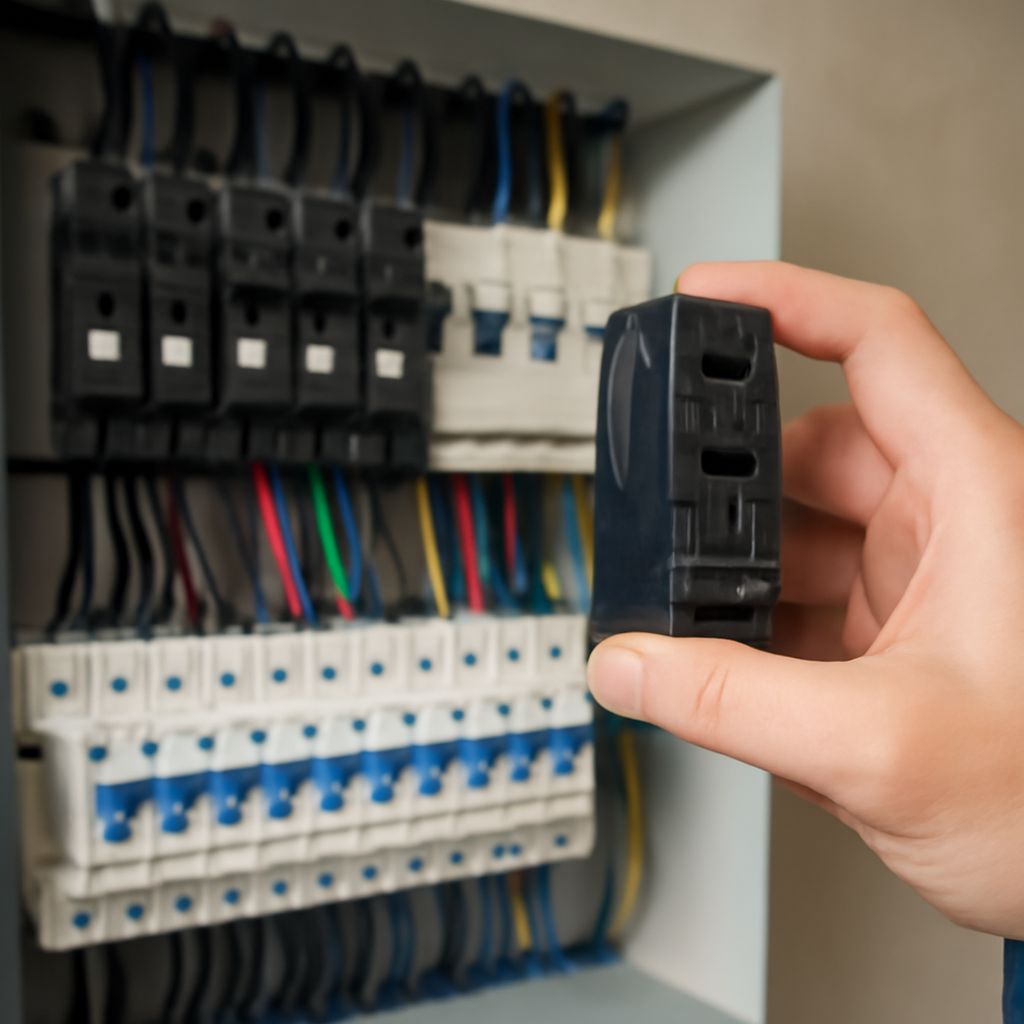
A 220 volt outlet in North America supplies two hot legs of 120V each, delivered through a double-pole breaker in the panel. Standard 220v outlets for dryers are 30-amp (NEMA 10-30 or 14-30). Electric ranges use 50-amp outlets (NEMA 14-50). EV charger Level 2 outlets are typically 50-amp NEMA 14-50 as well. Each draws a dedicated circuit — 220v receptacles are never shared.
Wiring a 220-volt outlet requires a 3-wire or 4-wire cable depending on the circuit type and code era. Modern code requires 4-wire circuits (two hots, neutral, ground) for dryers and ranges. Older homes may have 3-wire dryer circuits — those are grandfathered for existing installations but can’t be extended or moved under current code without upgrading. If you’re adding a 220v outlet for an EV charger or new appliance, hire a licensed electrician — 240-volt wiring mistakes create fire and shock hazards.
Hidden Outlets for Kitchen Backsplashes
Pop-Up and Under-Cabinet Options
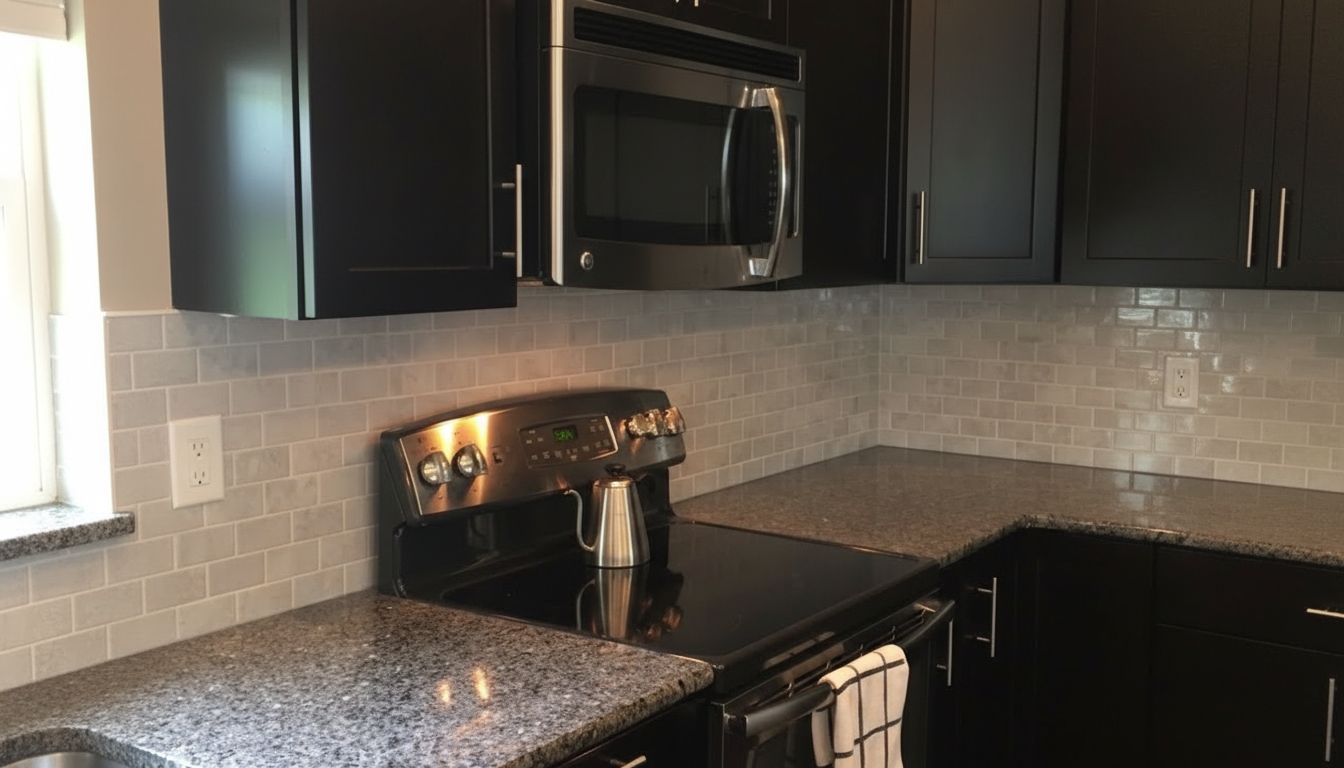
Backsplash outlets can be recessed into the backsplash tile itself, mounted flush under upper cabinets, or installed as pop-up units that rise from the countertop surface. Recessed in-wall outlets on a backsplash use low-profile rectangular receptacle bodies that sit nearly flush with the tile plane. When tiled over with a matching tile and a recessed cover plate, these nearly disappear against the backsplash.
Code Compliance for Hidden Outlets
Hidden outlets must still meet NEC requirements. Kitchen counter receptacle outlets must be spaced no more than 4 feet apart along the counter and within 2 feet of the countertop edge — regardless of whether they’re visible or concealed. Pop-up outlets that retract flush when not in use are available from several manufacturers and carry UL listings. Verify the product is listed before installation and confirm your inspector will accept the style before tiling over anything. A recessed outlet behind tile that doesn’t meet code is a wall opening problem after the fact.
Next steps: If you’re planning a backsplash renovation with hidden outlets, choose your receptacle style before tiling so the rough-in boxes are set at the right depth. Getting the outlet rough-in depth wrong is one of the most common causes of failed backsplash outlet installations, requiring tile removal to correct.