Architectural Asphalt Shingles: Prices, Grades, and Buying Guide
Architectural asphalt shingles account for the majority of new residential roofing installations in the United States — and for good reason. They offer meaningful performance upgrades over 3-tab products at a price point most homeowners can absorb. Roof shingles prices vary widely by grade, brand, and region, so understanding what drives cost helps you compare quotes without confusion. Roofing materials prices for architectural products run higher than basic shingles, but the added thickness, wind resistance, and warranty length justify the gap. Knowing 3 tab shingles price vs architecture shingles pricing helps you make a value-driven decision rather than a price-only one.
What Makes Architectural Asphalt Shingles Different
Construction and Thickness
Architectural asphalt shingles — also called dimensional or laminate shingles — use two layers of fiberglass mat and asphalt bonded together. The double-layer construction creates thickness and the shadow lines that give the roof visual depth. Standard 3-tab shingles are a single layer, which is why they lie flat and have a uniform, dated appearance by comparison. The extra mass in architectural products adds impact resistance and structural integrity that single-layer shingles can’t match.
Wind and Impact Ratings
Most architectural asphalt roofing carries wind resistance ratings of 110 to 130 mph. Premium lines push to 150 mph. These ratings require proper installation — nailing in the correct zone with the right nail count. Laminate roofing products also perform significantly better in hail events. Some lines qualify for Class 4 impact resistance ratings, which earns insurance discounts in many states. If you’re in a region with frequent hail or high wind, the impact-rated architectural shingle grade pays for itself in the first insurance renewal cycle.
Roof Shingles Prices by Grade
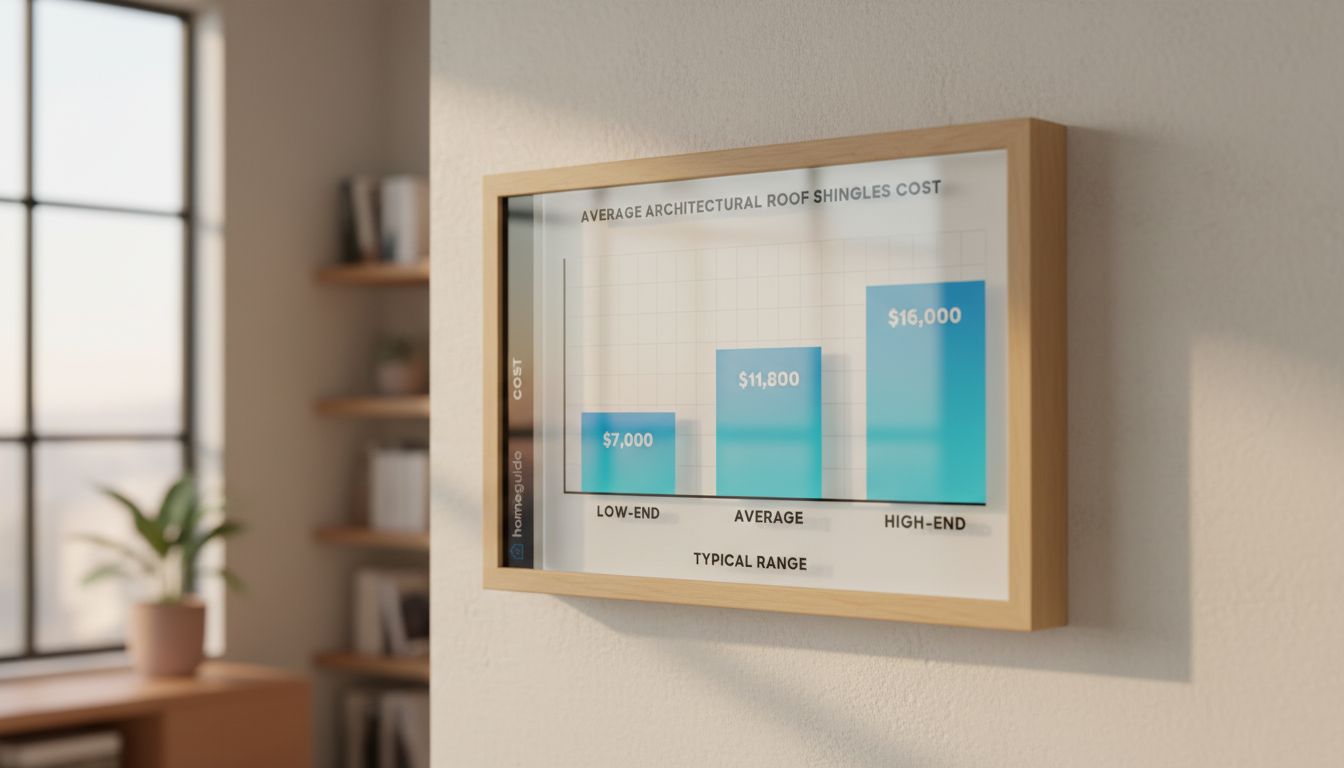
Entry-level dimensional roofing shingles run $90 to $130 per square (100 square feet) for materials only. Mid-grade architectural products run $120 to $175 per square. Premium designer lines — heavier, textured, and with longer warranties — reach $200 to $350 per square. Labor typically adds $150 to $300 per square depending on roof pitch, complexity, and local rates.
3 tab shingles price typically runs $60 to $90 per square — roughly 25 to 40 percent less than entry-level architectural. Over a 20-year period, the 3-tab option looks less attractive when you factor in earlier replacement cycles (20-year warranty vs 30-year or lifetime) and the lower resale value perception from buyers who recognize flat-profile shingles as an economy product.
Roofing Materials Prices: What Affects the Total Cost
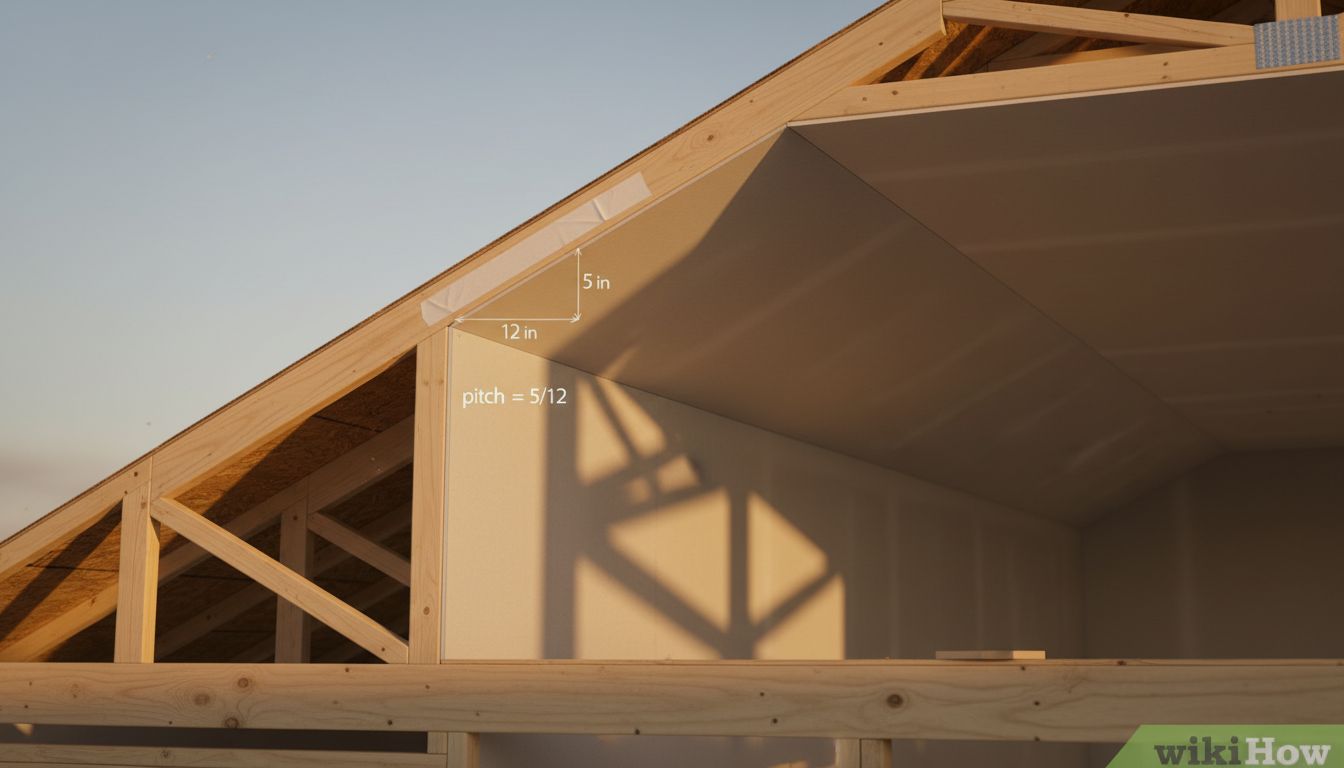
Several factors beyond the shingle price itself drive roofing project costs. Tear-off of existing layers adds $100 to $150 per square. If two layers already exist, most codes require complete removal before new shingles go on, which increases labor significantly. Steep-pitch roofs add 20 to 50 percent to labor costs. Geographic location affects both material freight costs and prevailing labor rates — coastal areas and the Northeast run consistently higher than the Midwest and South.
Choosing Architecture Shingles for Your Project
Select architectural shingles based on three criteria: warranty length, wind and impact ratings, and color selection. Most major manufacturers — GAF, CertainTeed, Owens Corning — produce reliable products in the mid-grade range. Premium lines offer additional hail ratings and thicker coverage, worth considering in severe weather regions. For color, pull physical shingle samples and hold them against your home’s exterior in natural light — the color reads very differently than online photos suggest.
Bottom line: Architectural asphalt shingles represent the right value balance for most residential roofing projects. Pay for the grade that matches your weather exposure and desired warranty period, not simply the cheapest option on the shelf.