Penetrating Grout Sealer: How to Choose and When to Apply
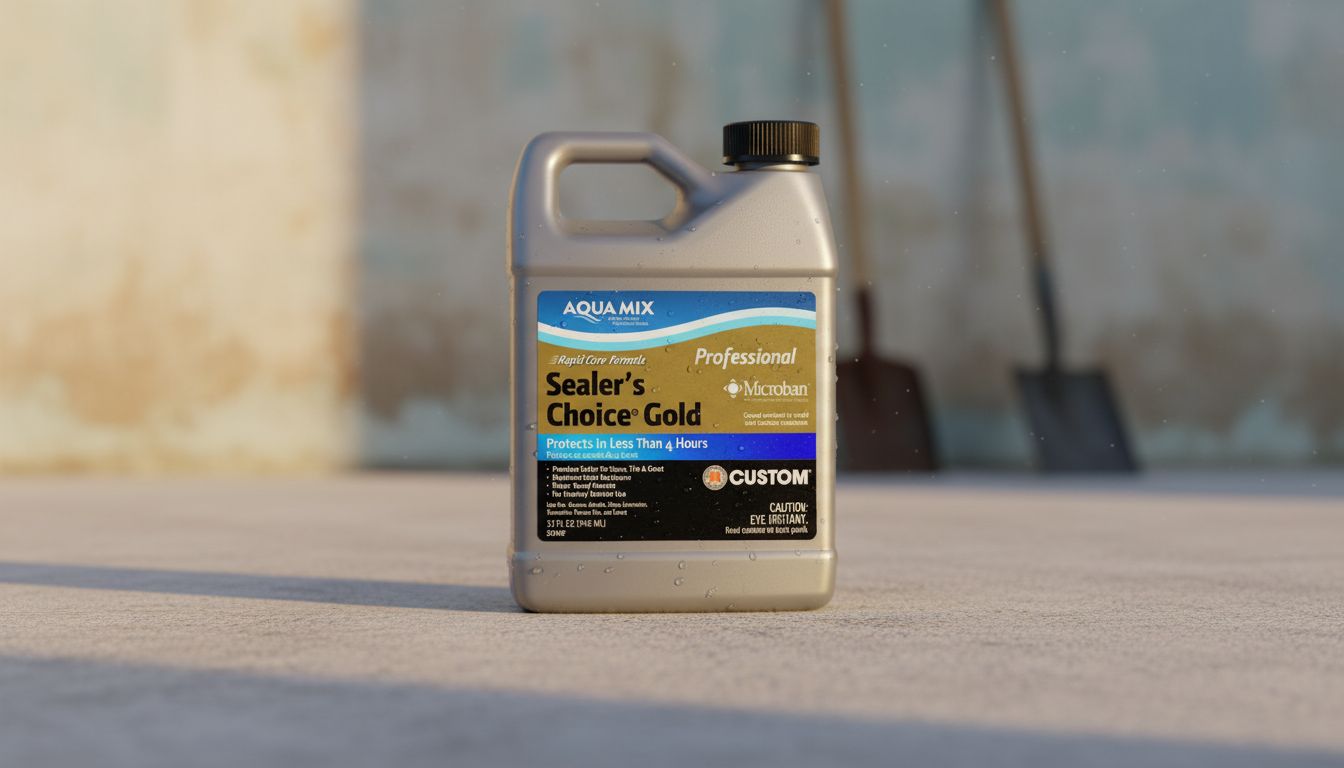
A penetrating grout sealer is the most effective way to protect cement grout from staining, moisture absorption, and mildew growth. Unlike surface coatings that sit on top of the grout, a waterproof grout sealer in the penetrating category bonds inside the pores at a molecular level. Knowing how long should grout dry before sealing determines whether the sealer will fully penetrate or trap residual moisture. Before buying, checking grout sealer reviews helps you find products that actually perform in shower and floor applications. Knowing what type of grout sealer to use in a shower specifically narrows the field to products rated for continuous wet exposure.
How Penetrating Grout Sealers Work
Penetrating vs Topical Products
A penetrating sealer uses silane, siloxane, or fluoropolymer compounds small enough to enter the grout’s porous structure. Once inside, these compounds bond to the pore walls and create a hydrophobic barrier that repels water and oil. The grout surface remains breathable — vapor can still escape, which prevents moisture buildup below the surface. Topical sealers, by contrast, form a film on the grout surface. They provide a high-gloss finish but peel over time, especially in wet applications, and require stripping before reapplication. For shower grout, floor grout, and anywhere with regular water exposure, penetrating products outlast and outperform topical ones.
Application Methods
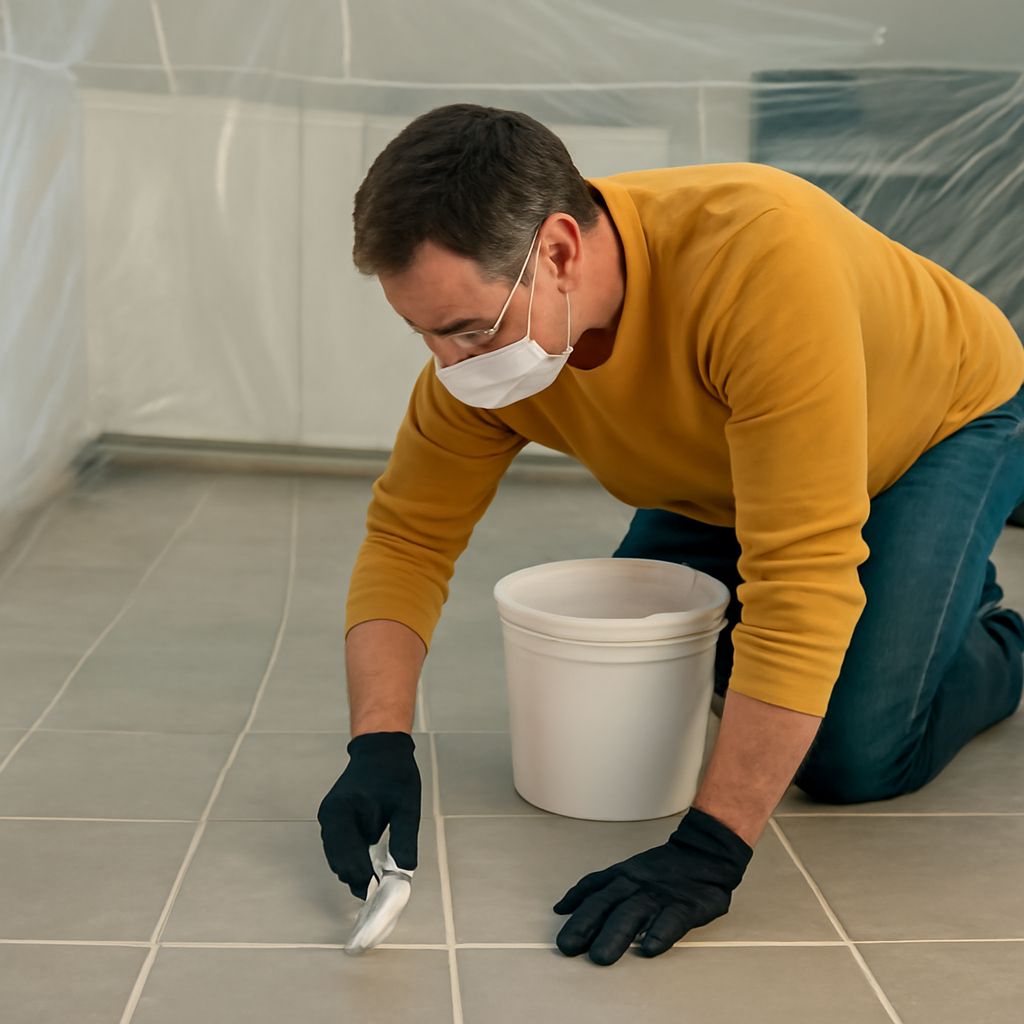
Penetrating sealers apply with a small foam brush, a rollon applicator bottle, or a spray. Brush application gives the most control for floor tile with narrow grout lines. Spray application is faster for large areas but requires careful masking to keep sealer off adjacent surfaces where it’s not wanted. Always work in sections, apply the sealer directly to grout lines, let it penetrate for the dwell time on the label (typically 5 to 20 minutes), then wipe away any excess from tile faces with a clean dry cloth.
How Long Should Grout Dry Before Sealing
New grout needs a minimum of 48 to 72 hours before sealing — most manufacturers specify at least 3 days and some recommend 7 days for full cure in normal temperature and humidity. Sealing grout before it fully cures traps residual moisture inside the grout, which can cause discoloration, weakening of the grout bond, and efflorescence (white salt deposits) over time.
For existing grout that you’re re-sealing, the grout must be clean and completely dry before applying. Grout damp from recent cleaning or showering needs at least 24 hours to dry thoroughly. Applying sealer to damp grout produces uneven penetration and a splotchy appearance.
What Type of Grout Sealer to Use in a Shower
Shower grout needs a penetrating sealer with strong water and oil repellency and a formulation that tolerates repeated wet-dry cycling without degrading. Silicone-based and fluoropolymer-based penetrating sealers are the best types for shower use. Products specifically labeled for shower or wet area use carry tested performance in those conditions. Avoid topical sealers in showers entirely — they peel from the wet-dry exposure and look worse after six months than unsealed grout would.
Re-seal shower grout every 12 months in actively used showers. The water bead test tells you when it’s time: water on sealed grout beads and rolls off. Grout that absorbs water immediately needs re-sealing. The annual application takes about 30 minutes for a full tub/shower surround.
Bottom line: A penetrating grout sealer applied at the right time and on clean, dry grout is the single most effective maintenance step you can take to extend the life and appearance of any tiled surface. Skipping it costs you in staining and cleaning labor over the life of the tile.