Average Cost of Siding a House: What to Budget for Replacement
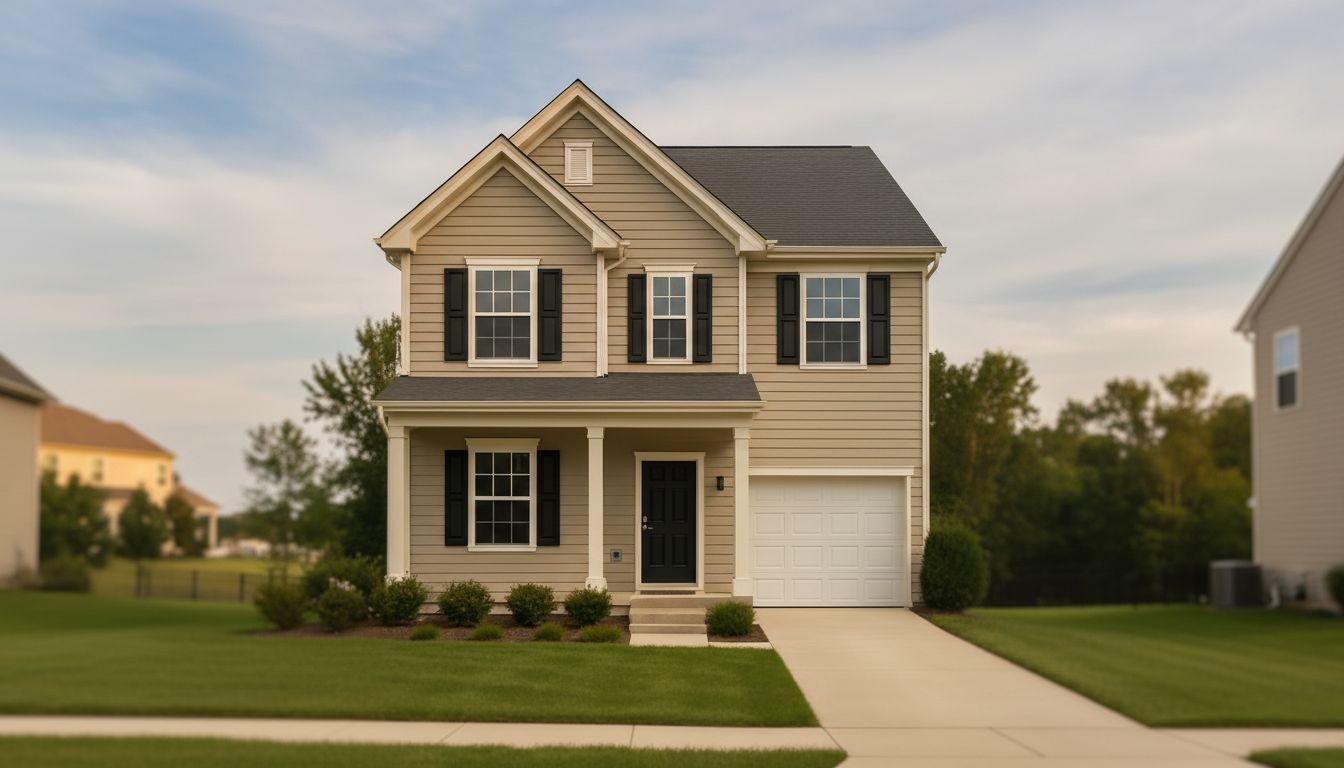
Understanding the average cost of siding a house helps you plan a realistic budget before you start getting contractor quotes. The price range is wide—from under $5,000 for a small vinyl job to over $30,000 for a large home with fiber cement or engineered wood—so knowing what drives costs puts you in a much stronger negotiating position.
This guide breaks down how much does it cost to put siding on a house by material type, covers what’s included in cost of new siding estimates, and explains the key variables behind replace siding cost quotes. You’ll finish with a clear framework for evaluating bids and comparing your options.
Siding cost overview by material
The cost of replacing siding varies dramatically by material. Here’s a realistic range for the total installed price—materials plus labor—on a 1,500 sq ft home (roughly 1,200 sq ft of wall surface after accounting for windows and doors):
- Vinyl: $5,000–$14,000
- Engineered wood (LP SmartSide, etc.): $10,000–$18,000
- Fiber cement (HardiePlank, etc.): $12,000–$22,000
- Natural wood: $14,000–$25,000
- Brick veneer: $20,000–$35,000+
These numbers assume tear-off of existing siding, installation of moisture barrier, and proper trim work. They do not include sheathing replacement or structural repairs, which can add $2,000–$10,000 if extensive rot is found.
Vinyl siding costs
Vinyl remains the most affordable new siding option for most homeowners. Standard horizontal lap vinyl runs $3–$7 per square foot installed. Thicker premium vinyl panels, insulated vinyl, and vertical styles cost more—$5–$10 per square foot installed.
The hidden cost in vinyl installations is often trim work. Corners, J-channels, window and door trim, and fascia boards add up. Budget an additional 15–20% of your material cost for trim and accessories.
When vinyl makes sense
Vinyl is a strong choice when you’re focused on low maintenance, have a moderate budget, and live in a climate without extreme temperature swings. Vinyl expands and contracts significantly with temperature change; in very hot or very cold climates, professional installation with proper gap allowances matters more.
Fiber cement and engineered wood costs
Fiber cement siding—the most common brand being James Hardie—runs $8–$14 per square foot installed. It’s heavier than vinyl, requires priming and painting, and demands more skilled labor, which drives up cost of new siding quotes. The payoff is a 30–50 year lifespan and performance in high-humidity and high-wind climates that vinyl can’t match.
Engineered wood products like LP SmartSide split the difference. They’re lighter than fiber cement, take paint well, and install faster—cutting labor costs. Expect $7–$12 per square foot installed for engineered wood.
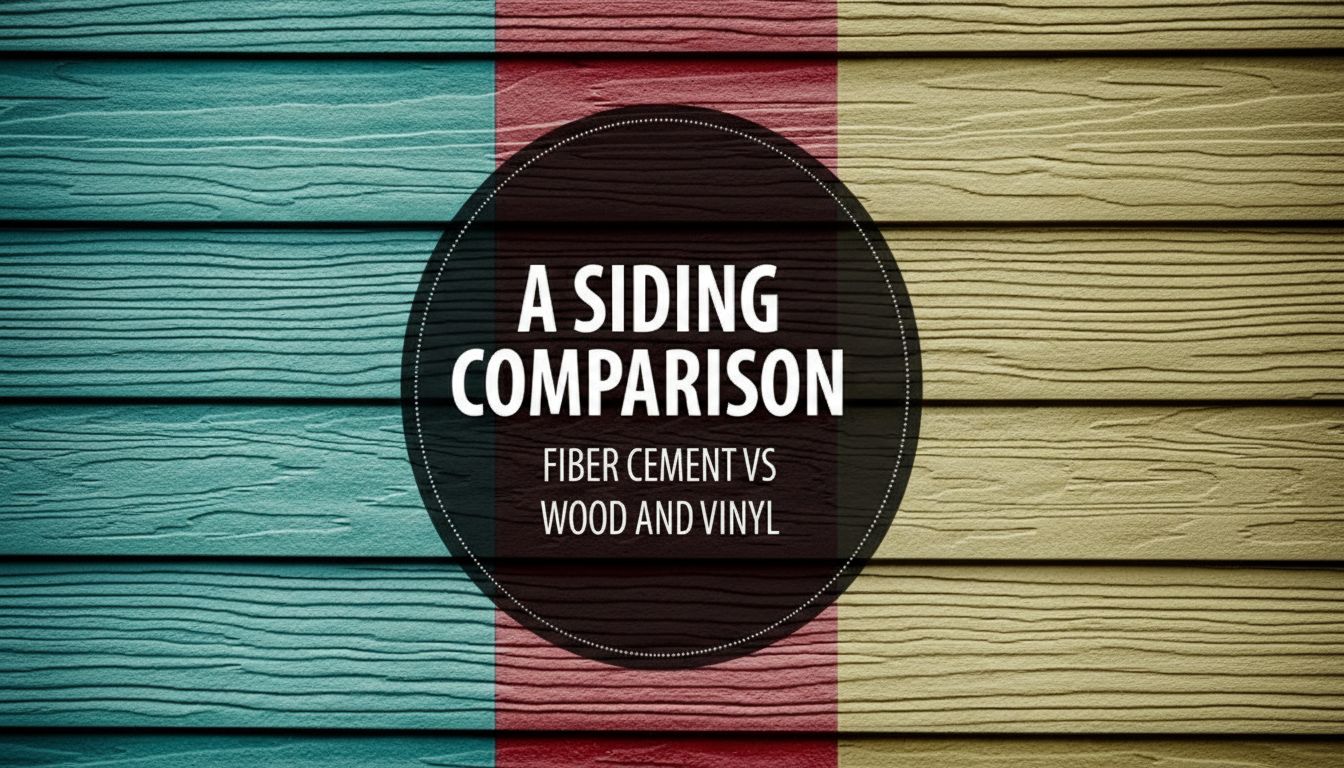
Replace siding cost: fiber cement vs. vinyl over a 30-year horizon
If you’re on the fence between vinyl and fiber cement, consider total cost of ownership. Vinyl may need replacement in 20 years; fiber cement can last 40–50 years with periodic repainting. Factor in one additional vinyl replacement when comparing the long-term replace siding cost for your home.
Factors that affect replacement cost
Several variables push quotes higher or lower than national averages:
- Home height and accessibility: Two-story homes cost 20–30% more to side than single-story homes due to scaffolding needs.
- Number of corners, gables, and angles: Complex rooflines require more cuts and custom trim.
- Existing siding removal: Tear-off adds $1–$2 per square foot. Some contractors apply new siding over old (called re-siding), which saves labor but adds weight and can hide moisture problems.
- Region: Labor costs in the Northeast and West Coast run 20–40% higher than in the Midwest and South.
- Season: Scheduling in late fall or winter can yield 5–10% discounts from contractors looking to fill their calendars.
Getting accurate quotes
To get comparable quotes, ask each contractor to itemize the bid: materials, labor, tear-off, disposal, and trim work should all be listed separately. Insist on a written scope of work that specifies the exact product name, thickness, and warranty coverage.
Get a minimum of three bids. A significantly low bid—more than 20% below the median—deserves scrutiny. Ask what’s excluded. Siding installation is not a place to cut corners; improper installation voids manufacturer warranties and creates moisture problems that cost far more to remediate later.
Bottom line: The average cost of siding a house ranges from $5,000 to over $25,000 depending on material, home size, and complexity. Vinyl is the most affordable option upfront; fiber cement and engineered wood cost more but typically last longer. Get itemized bids from at least three licensed contractors before committing.