Who Invented Plumbing: The Complete History of Indoor Plumbing
Questions about who invented plumbing and who invented indoor plumbing tend to surface when you’re elbow-deep in a pipe repair and wondering how humans ever got here. The answer spans thousands of years and several civilizations. The indoor plumbing history you know today—pressurized hot water on demand, sewage removal, clean drinking water—was assembled piece by piece over millennia.
This guide traces the history of indoor plumbing from ancient aqueducts to the 20th-century fixtures in your walls, with a focus on when indoor plumbing became the norm in American homes and the key figures who accelerated its development.
Ancient plumbing systems
The first indoor plumbing examples appear around 4,000–3,000 BCE in the Indus Valley civilization, in cities like Mohenjo-daro and Harappa in present-day Pakistan. These urban settlements had brick-lined sewage channels running under streets that connected to drains inside individual homes. Residents had access to private bathing rooms, and waste moved through covered channels to collection pits outside the city perimeter.
Ancient Egypt and Mesopotamia also developed early water infrastructure. Egyptian copper pipes carried water to royal baths as early as 2,500 BCE. These aren’t isolated curiosities—they represent organized engineering systems that required planning, maintenance, and municipal coordination.
Roman aqueducts and lead pipes
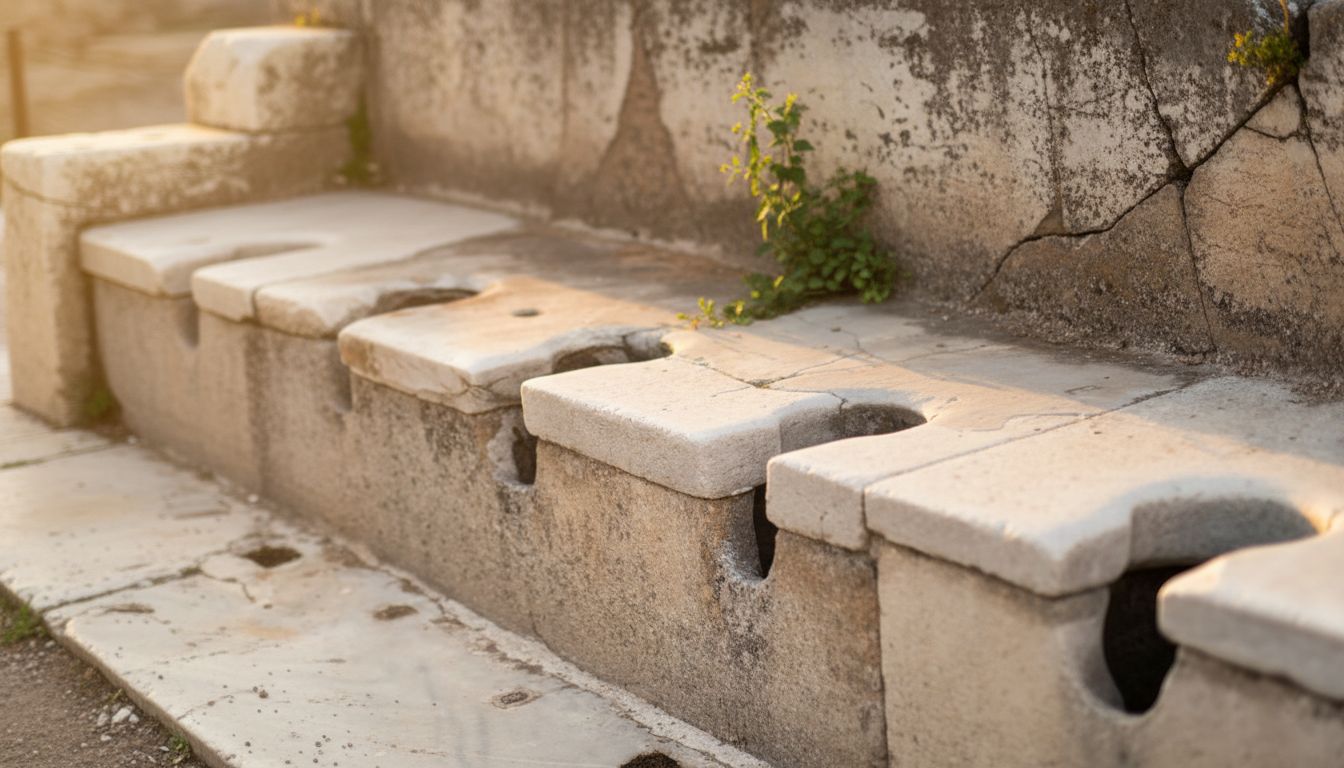
Rome built some of the most sophisticated water delivery infrastructure the ancient world ever produced. By 100 CE, eleven major aqueducts carried roughly 300 gallons of water per day per Roman citizen. Water flowed into public fountains, bathhouses, and the homes of wealthy citizens through a network of lead pipes—the Latin word for lead, plumbum, is the root of the word “plumbing.”
Roman sewer systems, particularly the Cloaca Maxima (built around 600 BCE), drained wastewater from the city into the Tiber River. While most citizens relied on public facilities, upper-class Roman homes had private latrines connected to the sewer network.
When the Western Roman Empire collapsed in the 5th century CE, much of this infrastructure fell into disrepair. Europe lost large-scale organized water systems for nearly a thousand years.
First indoor plumbing milestones
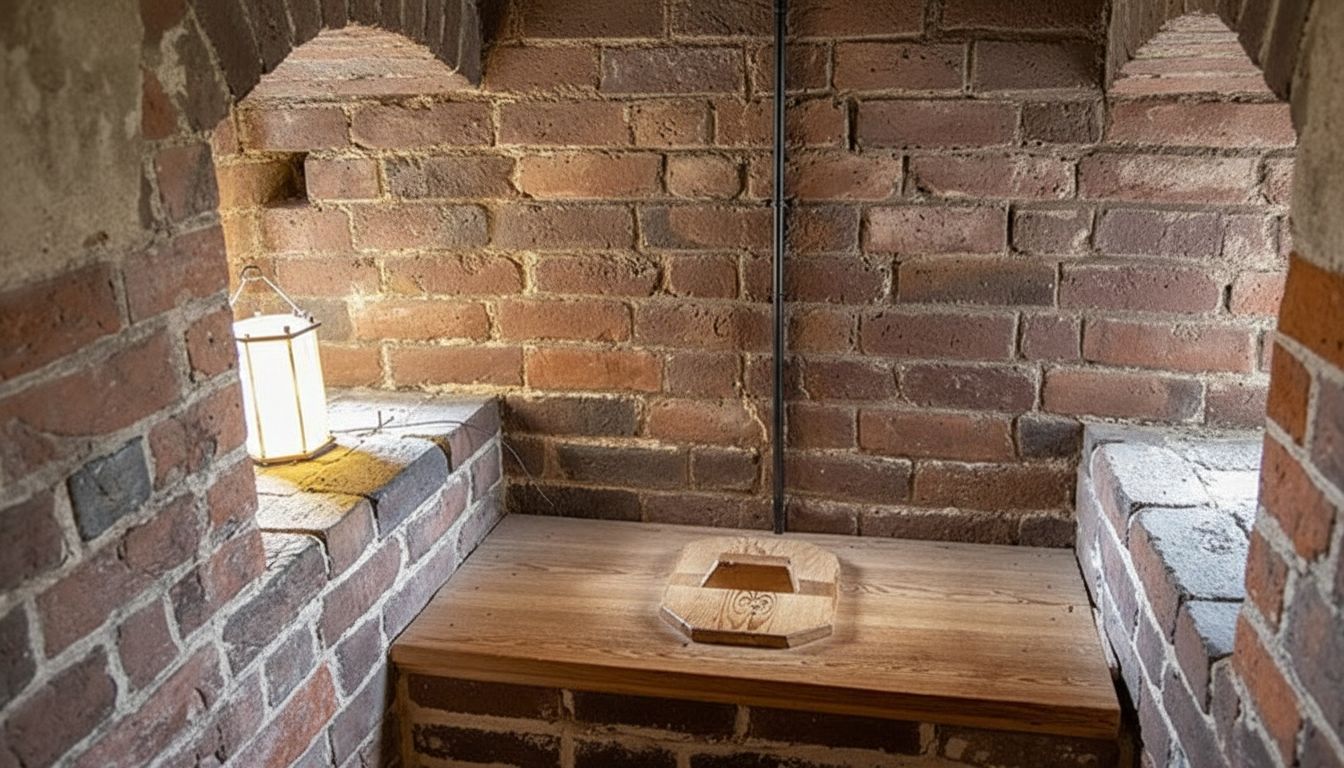
Tracing who invented indoor plumbing specifically depends on what you count. Organized indoor water systems existed in palaces and monasteries throughout the medieval period—but they were exceptional rather than standard.
The flush toilet—often credited to John Harrington, who installed one for Queen Elizabeth I in 1596—is a key milestone. However, the device didn’t gain widespread adoption for another 200 years. Alexander Cumming patented the S-trap flush toilet in 1775, which prevented sewer gases from entering the home by keeping water in the trap. Thomas Crapper, a British plumber and sanitary engineer, improved and popularized flush valve designs in the 1880s, lending his name to the colloquial term still in use today.
Indoor water supply via pressurized pipes began appearing in European cities in the early 19th century. Philadelphia built the first large municipal water system in the United States in 1801, pumping water from the Schuylkill River to public hydrants and some private homes.
19th and 20th century plumbing
The 19th century brought cast iron drain pipes, improved lead and galvanized steel supply pipes, and the slow expansion of indoor plumbing to middle-class homes. The germ theory of disease, established in the 1860s–1880s, created urgent public health pressure to separate drinking water from sewage—a driver of massive municipal investment in water and sewer infrastructure.
Copper pipe began replacing lead supply lines in residential construction in the early 20th century. By mid-century, the standard American home was expected to have a kitchen sink, bathroom sink, toilet, and bathtub—all served by indoor water supply. The 1950s brought the widespread adoption of water heaters, delivering hot water on demand rather than requiring heating water on the stove.
PVC pipe, introduced in the 1960s and 70s for drain-waste-vent systems, reduced costs and simplified installation. PEX flexible tubing arrived in American residential construction in the 1980s and 90s, offering freeze resistance and ease of routing through finished walls.
When did indoor plumbing start in American homes
The first indoor plumbing in American homes appeared in wealthy urban residences in the 1840s and 1850s. The White House received its first indoor plumbing in 1833 under President Andrew Jackson.
However, when did indoor plumbing start becoming standard for ordinary American households? That shift happened between 1900 and 1940. By 1940, roughly half of all U.S. homes lacked complete indoor plumbing. That number dropped sharply with post-WWII suburban construction; by 1960, the majority of American homes had full indoor plumbing with hot and cold running water and an indoor toilet.
Rural areas lagged behind cities—some rural U.S. households didn’t gain indoor plumbing until the 1970s or later, aided by rural electrification programs that also funded water infrastructure.
Pro tips recap: No single person invented plumbing—it’s a 6,000-year accumulation of engineering knowledge from dozens of civilizations. The Indus Valley provided the first organized systems; Rome scaled them; the 19th century connected public health science to infrastructure investment; and the 20th century brought standardized indoor plumbing to the American home. The next time a pipe repair frustrates you, remember that running water indoors was a luxury that most humans in history never experienced.