Drywall Cutter Tools: Best Options for Cutting Drywall and Foam Insulation
Having the right drywall cutter makes the difference between clean, accurate cuts and ragged edges that slow down your taping and finishing. Whether you’re a first-time DIYer or an experienced finish carpenter, understanding which drywall cutting tool matches each task—from scoring straight lines to plunging into curves—will save you time and material waste.
This guide covers the best tool to cut drywall for common situations, explains when a dedicated drywall cutting tools kit pays off, and includes a section on foam insulation cutting tools since many projects involve both materials.
Scoring knife and snapping
The score-and-snap method remains the fastest technique for straight cuts on full sheets. You need a sharp utility knife with a fresh blade, a straightedge or drywall T-square, and enough clearance behind the sheet to snap it cleanly.
Score the face paper and gypsum with a firm single pass—don’t try to cut all the way through. Then lift the sheet and snap it away from you. Finish by scoring the back paper along the fold. A quality utility knife is the most essential drywall cutter in your kit; replace the blade after every half-sheet or so, because gypsum dulls edges fast.
T-square for accuracy
A 48-inch drywall T-square is the fastest way to guarantee square, consistent cuts on full 4×8 or 4×12 sheets. It registers on the long edge of the panel and lets you mark and score in a single motion. It’s the single best tool to cut drywall when working with full sheets.
Drywall saws and jab saws
A jab saw—also called a drywall hand saw—punches through gypsum for outlet boxes, light fixtures, and any cut that can’t be snapped. The coarse, aggressive teeth cut on both push and pull strokes. Most experienced drywall installers keep a 6-inch jab saw on their belt throughout the job.
For longer curved cuts, a keyhole saw with finer teeth gives you more control. Neither requires power; both are compact enough to work in tight spaces where a rotary tool would be awkward.
Rotary cutout tools
A dedicated drywall rotary cutout tool—like the Rotozip or Dremel Ultra-Saw—is a popular drywall cutting tool for production work. You plunge the bit directly into the panel and trace the perimeter of electrical boxes using the box itself as a guide. The result is a precise cutout without measuring or marking.
Rotary tools generate fine gypsum dust, so always wear an N95 or P100 respirator. They also require consistent speed; moving too slowly chars the paper facing while moving too fast deflects the bit. Practice the technique on scrap before working on installed panels.
Power cutting options
For large-volume projects or repetitive rips, a circular saw with a drywall blade lets you cut multiple sheets quickly. Use a fine-tooth carbide blade and cut face-down to minimize paper tearing on the show side. The downside is dust—a circular saw throws gypsum powder far more aggressively than hand methods, so a shop vac connected to the saw guard is worth the setup time.
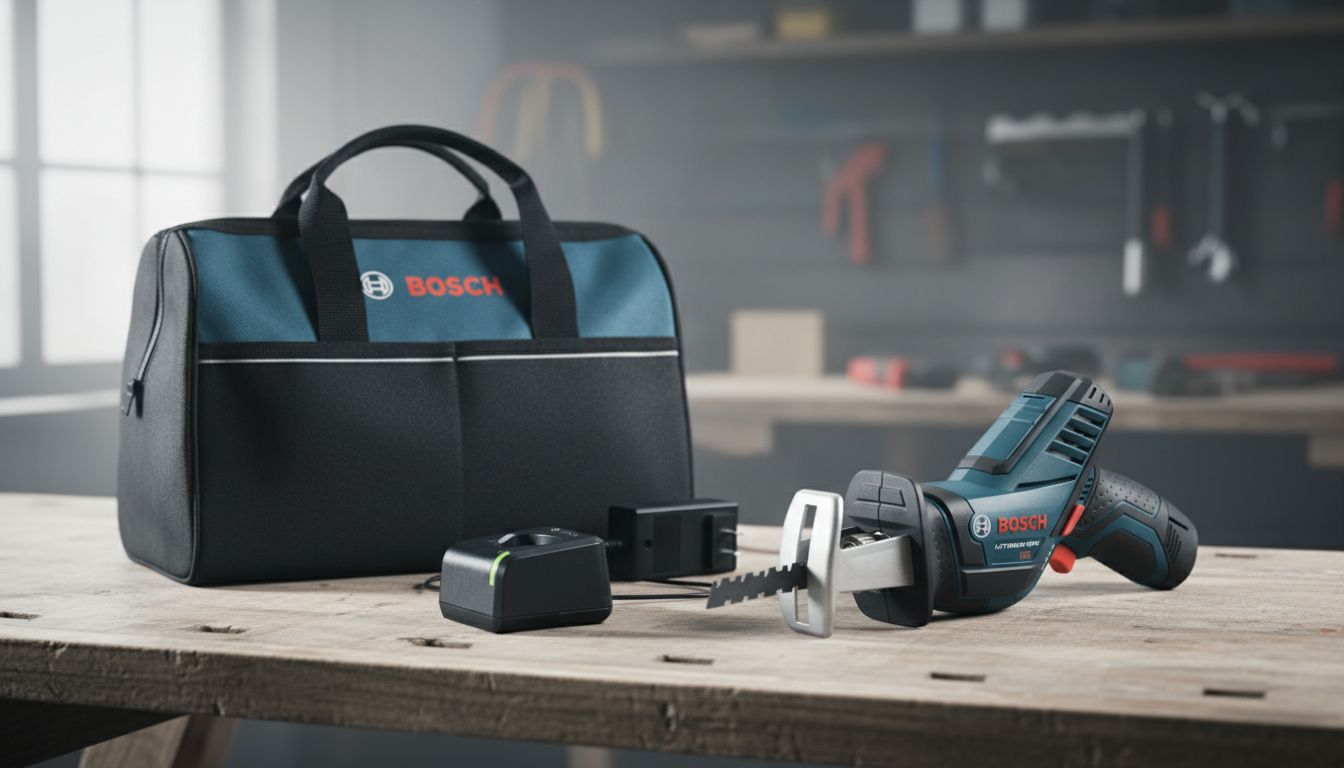
An oscillating multi-tool is another versatile drywall cutting tool for patches and repairs. It cuts precisely in tight spaces and makes flush cuts at wall intersections that other tools can’t reach.
Which power tool wins for most DIY projects?
For a typical room renovation—a few sheets, some outlet cutouts, one or two patches—the jab saw plus utility knife handles 90% of the work without dust, noise, or power cords. Add a rotary cutout tool if you’re hanging more than 10–15 sheets at once.
Foam insulation cutting tools
Rigid foam insulation boards (polyiso, XPS, EPS) require different foam insulation cutting tools than drywall. A utility knife with a fresh blade scores and snaps thin boards (under 1 inch). For thicker panels, a long serrated bread knife or a foam saw makes cleaner cuts with less crumbling.
A hot wire foam cutter is the best tool for precision foam work—it melts through the material without dust or crumbling. It’s especially useful when you need angled cuts for sloped-ceiling installations or custom fit-outs. However, hot wire tools aren’t suitable for foil-faced or foil-backed foam boards, where the facing needs to remain intact.
Keep your foam cutting tools separate from your drywall blades—gypsum destroys edges fast, and you want a sharp edge when cutting foam to keep the material from tearing rather than slicing cleanly.
Pro tips recap: Use a T-square and utility knife for straight drywall cuts. Keep a jab saw on your belt for outlet boxes. Add a rotary tool for production-speed work. For foam insulation, a long serrated knife or hot wire cutter delivers cleaner results than a standard utility blade. Swap blades often—dull edges are the leading cause of ragged cuts in both materials.