EPDM Roofing Material: Rubber Membrane Guide for Flat Roofs
If you have a low-slope or flat roof, EPDM roofing material is likely the most practical and cost-effective option available. EPDM rubber roofing has been the dominant flat-roof membrane in commercial and residential applications for decades—its track record of 20–30 year service life, weather resistance, and relatively straightforward installation has made it a benchmark for rubber roofing membrane performance.
Whether you’re re-roofing a garage, a low-slope addition, or a flat commercial building, this guide covers what EPDM roofing materials consist of, how they’re installed, and what drives long-term performance.
What is EPDM rubber roofing
EPDM stands for Ethylene Propylene Diene Monomer—a synthetic rubber compound that resists ozone, UV radiation, and temperature extremes. The material is manufactured in large rolls, typically 10, 20, or 50 feet wide and up to 200 feet long. Sheet thickness ranges from 45-mil to 90-mil; thicker membranes resist puncture better and are specified for areas with foot traffic or mechanical equipment.
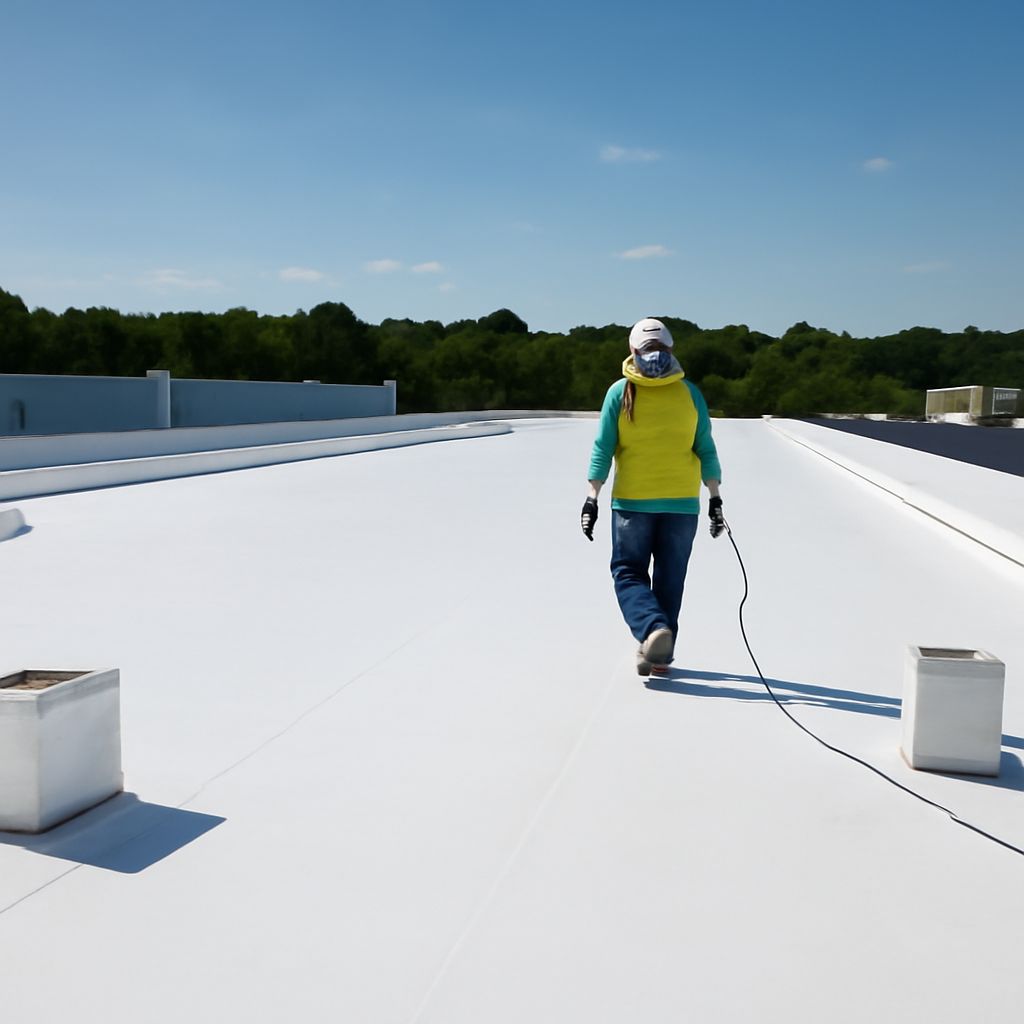
EPDM rubber roofing is black in its standard form, which absorbs solar heat. White EPDM membranes are also available for buildings in hot climates where solar reflectance is a priority, though white membranes cost more and are less widely available.
Installation methods compared
Three primary attachment methods exist for rubber membrane roofing:
Fully adhered
The membrane is bonded to the insulation or deck with contact cement over the entire surface. This produces the most stable installation—the membrane can’t shift or wrinkle, and wind uplift resistance is highest. It’s also the most labor-intensive method and requires careful application of adhesive in dry, warm conditions.
Mechanically fastened
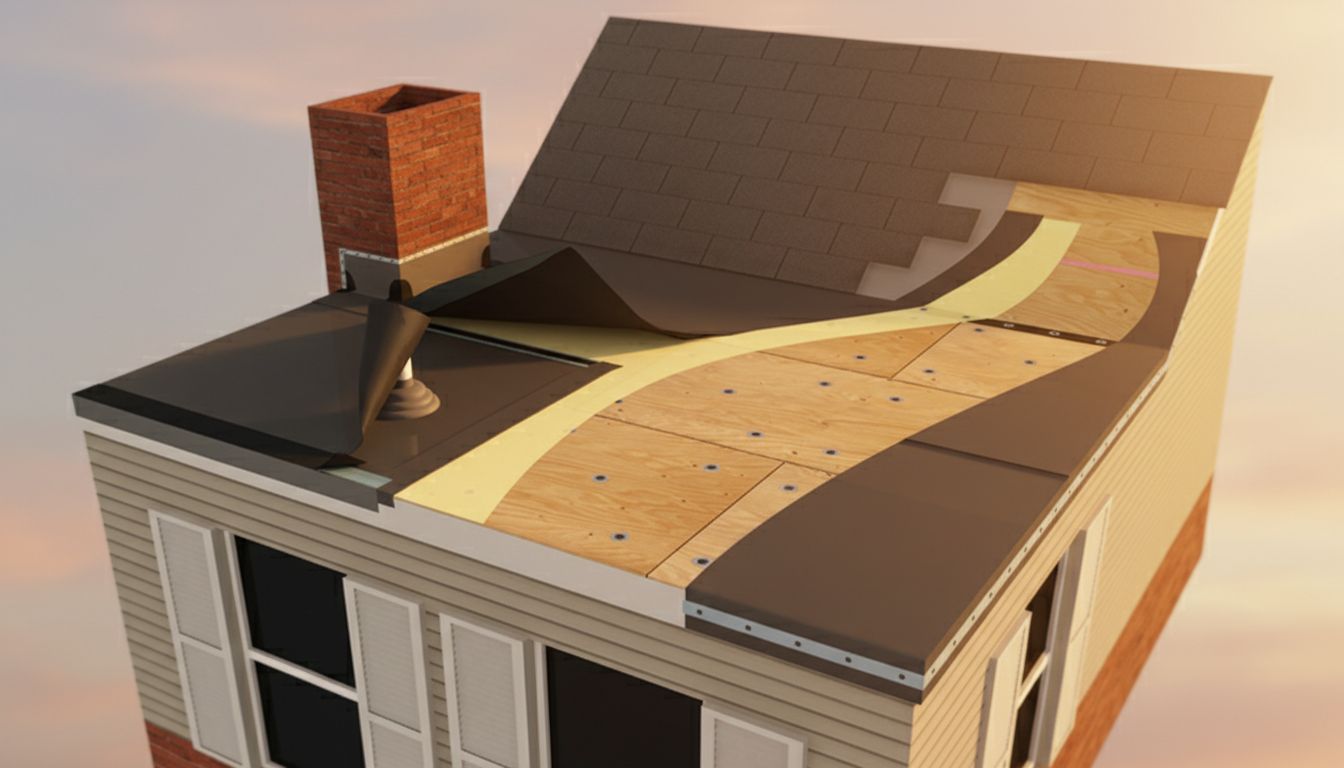
Fastening plates and screws anchor the membrane to the deck at regular intervals, with lap seams covering the fasteners. This method is faster and works in a wider range of temperatures but produces more flutter between fasteners in high-wind conditions.
Ballasted
The membrane is laid loose and held in place by river rock or pavers at a minimum coverage of 10–12 lbs per square foot. Ballasted systems install quickly and are easy to inspect and repair, but they’re not suitable for steep slopes or roofs with load limitations.
Seams, repairs, and lap tape
The most vulnerable points in any EPDM roofing materials installation are the seams where sheets overlap. Modern installations use either seam tape or two-part contact adhesive with seam primer. Seam tape (pressure-sensitive butyl tape) has become the most common method because it’s faster and produces consistent results when applied correctly.
Seam width matters: most manufacturers require a minimum 3-inch lap for taped seams. Roll the seam firmly with a 2-inch seam roller after application to ensure full adhesion and eliminate air bubbles.
Minor punctures in rubber membrane roofing repair easily with an EPDM patch kit—a piece of membrane and compatible adhesive or peel-and-stick lap tape. Clean the area with EPDM cleaner, let it dry completely, then apply the patch extending at least 2 inches beyond the damaged area on all sides.
EPDM vs. TPO and modified bitumen
TPO (Thermoplastic Polyolefin) and modified bitumen are the main competitors to EPDM roofing material for flat roofs. TPO is white by default, heat-weldable at seams, and increasingly popular in commercial construction—but it has a shorter performance history than EPDM. Modified bitumen uses an asphalt base with polymer-modified cap sheets; it’s heavier, often torched down, and has good impact resistance but a shorter typical lifespan.
EPDM’s advantage is a proven track record and wide availability of experienced contractors. Its main limitation is the black color adds heat load in warm climates—a meaningful factor if you’re trying to meet energy efficiency standards.
Lifespan and maintenance
A properly installed EPDM rubber membrane roofing system realistically lasts 20–30 years. Some fully adhered installations on well-maintained buildings have lasted 40+ years. Factors that shorten lifespan include ponding water (more than 48 hours of standing water after rain), improper seam adhesion, and physical damage from foot traffic without proper protection boards.
Annual inspection is the most valuable maintenance practice. Check all seams for lifting or bubbling, inspect all penetrations (pipes, HVAC curbs, drains) for sealant condition, and look for any areas of pooling water that indicate low spots or clogged drains.
Bottom line: EPDM roofing material is the industry standard for flat and low-slope roofs for good reason—it’s durable, repairable, and cost-effective. For most residential applications, a 60-mil fully adhered membrane with taped seams represents the best balance of performance and longevity. Inspect seams and penetrations annually, and repair any damage promptly before water finds its way under the membrane.